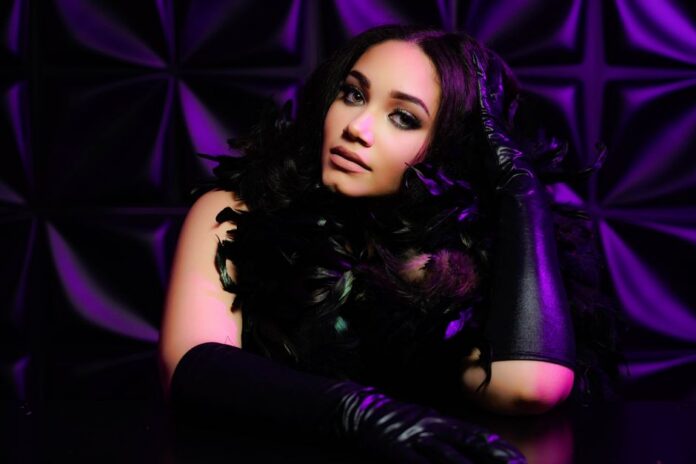
Photo: Diamond Multimedia Films / Pexels
By Political Watch Newsroom, Entertainment Desk — Published October 1, 2026
Table of Contents
- Melyssa Ford Defends Against Online Criticism: Key Takeaways
- The Background & Context
- Why This Matters
- Reactions & Analysis
- What Happens Next
- Frequently Asked Questions
In the unforgiving glare of social media, where celebrities are subjected to relentless scrutiny, model and media personality Melyssa Ford has stepped forward to defend actress Jasmine Guy against critics targeting her appearance. The entertainment world witnessed yet another flashpoint in the ongoing conversation about ageism, beauty standards, and the harsh judgment faced by women in Hollywood. Ford’s public support highlights a broader cultural reckoning within pop culture about how we discuss aging, particularly for women who have spent decades in the public eye.
The incident underscores tensions that have long simmered in entertainment circles. As streaming platforms and social media reshape how audiences consume TV and movies, they’ve also amplified the voices of critics who feel entitled to comment on every aspect of a performer’s life—including their physical appearance. When those comments cross the line from critique to cruelty, industry figures like Ford are increasingly willing to push back.
This defense comes at a moment when conversations about representation, dignity, and respect in entertainment have reached a critical mass. What began as isolated comments about Guy’s looks has evolved into a teachable moment about the double standards women face as they age in an industry that often prizes youth above talent or legacy.
Melyssa Ford Defends Against Online Criticism: Key Takeaways
- Melyssa Ford publicly defended actress Jasmine Guy after the latter faced criticism focused on her physical appearance
- The incident reflects ongoing tensions about ageism and beauty standards in entertainment and pop culture
- Social media has amplified both criticism of celebrities and the voices defending them against appearance-based attacks
- The controversy highlights broader conversations about how women in TV and movies are judged differently than their male counterparts
- Industry figures are increasingly vocal about pushing back against what they view as unfair scrutiny of aging performers
- The defense raises questions about the responsibility of audiences and critics in the streaming and social media era
The Background & Context
Jasmine Guy rose to prominence in the late 1980s and early 1990s, most notably for her role as Whitley Gilbert on the groundbreaking sitcom “A Different World.” Her performance earned her six consecutive NAACP Image Award nominations and established her as a beloved figure in television history. For many viewers, Guy represented sophistication, intelligence, and Black excellence during a pivotal era in American entertainment.
The show tackled serious issues. Race relations, sexual assault, apartheid in South Africa—all found their way into storylines that educated as much as they entertained. Guy’s character evolved from a privileged Southern belle into a mature, thoughtful woman, mirroring the growth of an entire generation of viewers who came of age watching the series.
Decades later, Guy has continued working in entertainment across multiple mediums. She’s appeared in films, on stage, and in various television projects. Yet like many women who achieved fame in earlier decades, she faces a peculiar challenge: public memory often freezes celebrities at their peak moment of visibility, creating unrealistic expectations about how they should look years or even decades later.
Melyssa Ford, meanwhile, built her own career as a model and video vixen before transitioning into media and podcasting. She’s been candid about her own experiences with being objectified and judged primarily on appearance. Her willingness to defend Guy suggests a solidarity among women who understand the unique pressures of maintaining a public image in an industry that can be unforgiving.
The criticism directed at Guy appears to have emerged from recent public appearances or social media posts, though the specific catalyst remains part of a larger pattern. Women in entertainment regularly face commentary about their looks that men of similar age rarely encounter. Male actors are often described as “aging gracefully” or becoming “distinguished,” while women face harsher assessments.
Why This Matters
This controversy extends far beyond celebrity gossip. It reflects fundamental questions about how American culture values women, particularly as they age. The entertainment industry serves as both mirror and influencer of broader societal attitudes, making these discussions particularly significant for public discourse.
For ordinary citizens, the treatment of public figures sets informal standards. When audiences feel entitled to “pick apart” an actress’s appearance, it reinforces the message that a woman’s value is tied primarily to her looks. This affects not just celebrities but women in every profession and walk of life who internalize these messages about aging and worth.
The rise of streaming platforms and social media has democratized criticism in ways both positive and negative. Viewers can now directly engage with content creators and performers, offering immediate feedback. But this accessibility has also eroded traditional boundaries of civility. Comments that would never appear in professional journalism now proliferate unchecked online.
For the entertainment industry itself, these incidents create a chilling effect. Talented performers may avoid public appearances or social media engagement to escape harsh judgment. This deprives audiences of meaningful connections with artists whose work has shaped culture. It also sends a message to younger performers about what awaits them as they age.
The defense mounted by Ford represents a counter-narrative. By speaking out, industry insiders are attempting to reset norms around acceptable discourse. They’re arguing that talent, legacy, and human dignity should outweigh superficial assessments of appearance. Whether this message breaks through the noise of social media remains an open question.
Reactions & Analysis
Ford’s defense of Guy has sparked conversations across entertainment and pop culture circles. While specific details of her statement weren’t fully captured in available reports, the act itself carries symbolic weight. One prominent figure standing up for another sends a signal that appearance-based attacks won’t go unchallenged.
The incident fits into a larger pattern of celebrities defending one another against online harassment. In recent years, performers have become more willing to publicly support colleagues facing criticism, particularly when that criticism crosses ethical lines. This mutual defense represents a shift from earlier eras when celebrities often remained silent about attacks on their peers.
Cultural critics have long noted the double standard applied to aging in Hollywood. Studies have documented how roles for women over forty decline precipitously compared to men of the same age. When women do remain visible, they face intense scrutiny about whether they’ve “aged well” according to often-impossible standards shaped by cosmetic procedures and digital manipulation.
The conversation also intersects with broader discussions about representation in movies and TV. As streaming platforms invest in diverse programming, questions arise about whether that diversity extends to age representation. Are older women being given complex, meaningful roles, or are they relegated to supporting parts defined primarily by their relationship to younger characters?
Social media users have responded with mixed reactions. Some applaud Ford for standing up against bullying and ageism. Others argue that public figures must accept criticism as part of fame. This divide reflects deeper disagreements about privacy, respect, and the social contract between celebrities and audiences in the digital age.
What Happens Next
The immediate controversy will likely fade as social media moves to its next target. But the underlying issues persist. How entertainment culture handles aging, particularly for women, will continue shaping both industry practices and public attitudes.
Streaming platforms face decisions about programming and casting. Will they actively seek out older performers for substantive roles? Will they push back against audience demands for youth-centric content? These choices will signal whether the industry is serious about addressing ageism or merely paying lip service to inclusion.
For individual performers, incidents like this may influence their relationship with social media and public engagement. Some may retreat from platforms that enable harsh criticism. Others may follow Ford’s example and speak out more forcefully against attacks on appearance. Either path carries risks and potential rewards.
The broader cultural conversation about beauty standards shows signs of evolution. Movements promoting body positivity and age acceptance have gained traction, particularly among younger generations. Whether this translates into lasting change in entertainment remains to be seen. Industries built on image don’t transform overnight.
Legal and platform policy questions also loom. Should social media companies do more to moderate harassment and appearance-based attacks? What responsibility do they bear for the culture their platforms enable? These questions extend beyond entertainment into fundamental debates about free speech, community standards, and corporate responsibility.
Frequently Asked Questions
Why did Melyssa Ford defend Jasmine Guy?
Ford defended Guy after the actress faced public criticism focused on her physical appearance. As someone who has experienced objectification and appearance-based judgment in her own career, Ford appears to have felt compelled to speak out against what she viewed as unfair attacks on a fellow performer. Her defense reflects growing solidarity among women in entertainment who are pushing back against ageism and unrealistic beauty standards.
Who is Jasmine Guy and why is she significant?
Jasmine Guy is an actress best known for her starring role as Whitley Gilbert on the 1980s-90s sitcom “A Different World,” a groundbreaking show that addressed serious social issues while entertaining audiences. Her performance earned multiple NAACP Image Award nominations and made her an icon for a generation of viewers. She has continued working in entertainment across television, film, and theater for decades.
How does ageism affect women in entertainment differently than men?
Women in entertainment face significantly harsher judgment about aging than their male counterparts. While older male actors are often described as “distinguished” and continue receiving leading roles well into their later years, women over forty see their opportunities decline sharply. They also face intense scrutiny about their appearance, with audiences and critics frequently commenting on whether they’ve “aged well” according to often-impossible standards shaped by cosmetic procedures and digital manipulation.
What can be done to address appearance-based criticism in pop culture?
Addressing this issue requires action on multiple fronts. Industry figures speaking out against unfair criticism, as Ford did, helps establish new norms. Streaming platforms and studios can commit to casting older performers in substantive roles. Social media companies can enforce stronger policies against harassment. Audiences can choose to engage more thoughtfully with public figures, recognizing that performers are human beings deserving of dignity regardless of how they look. Cultural change happens gradually through collective choices about what behavior we accept and promote.
As entertainment continues evolving in the streaming era, incidents like this serve as reminders that technology changes faster than culture. The tools for consuming and discussing movies and TV have transformed dramatically, but the underlying questions about respect, dignity, and how we value people—particularly women as they age—remain as relevant as ever. Whether Ford’s defense of Guy represents a turning point or merely another moment in an ongoing struggle will depend on whether the industry and audiences choose to learn from it.