Photo: Ramaz Bluashvili / Pexels
By Political Watch Newsroom, Politics Desk — Published October 8, 2026
Table of Contents
- Key Takeaways
- The Background & Context
- Why This Matters
- Reactions & Analysis
- What Happens Next
- Frequently Asked Questions
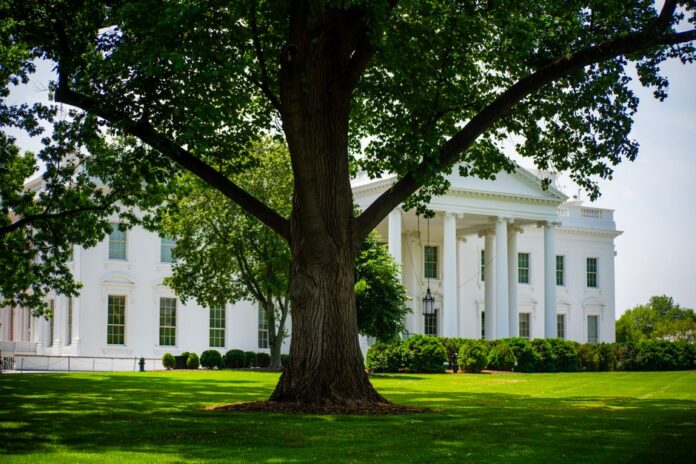
President Donald Trump is scheduled to make an appearance at a White House science event this Thursday, where he will honor technology executives and award prestigious National Medals of Science. The ceremony represents a rare moment when Trump, whose relationship with the scientific community has often been contentious, will publicly celebrate scientific achievement and innovation. Among those receiving recognition will be Elon Musk, the billionaire entrepreneur whose political alignment with Trump has grown increasingly visible since the 2024 campaign.
The event comes at a time when the intersection of technology, politics, and government policy has never been more consequential for American voters and taxpayers. As Congress debates legislation affecting everything from artificial intelligence regulation to research funding, the Trump administration’s approach to science and technology continues to shape the national conversation. This White House ceremony offers a window into how the president views the role of private sector innovation in America’s future.
The decision to honor tech CEOs at such a high-profile event signals the administration’s priorities as it navigates complex relationships between government, industry, and scientific research. For citizens concerned about everything from data privacy to space exploration, the event raises questions about which voices will shape policy in the years ahead.
Key Takeaways
- President Trump will host a White House science event on Thursday, marking a significant public engagement with the scientific and technology communities.
- Elon Musk will receive the National Medal of Science, one of the nation’s highest honors for scientific achievement, during the ceremony.
- Multiple technology CEOs are expected to be honored at the event, reflecting the administration’s focus on private sector innovation.
- The timing of the event comes amid ongoing debates in Congress over technology regulation and research funding priorities.
- The ceremony represents a convergence of politics, business, and science that has implications for policy direction and government-industry relations.
The Background & Context
The National Medal of Science stands as one of America’s most prestigious honors, established by Congress in 1959 to recognize individuals who have made outstanding contributions to science and engineering. Traditionally awarded to researchers, academics, and inventors whose work has advanced human knowledge, the medal carries significant weight in the scientific community. Past recipients include pioneers in fields ranging from medicine to mathematics, computer science to physics.
What makes this particular ceremony noteworthy is the profile of at least one recipient. Elon Musk has become one of the most polarizing figures in American public life. His companies—Tesla, SpaceX, Neuralink, and others—have undeniably pushed technological boundaries. SpaceX revolutionized space travel with reusable rockets. Tesla accelerated the electric vehicle revolution. Yet Musk’s recent political activities, including his vocal support for Trump’s campaign and his acquisition of Twitter (now X), have made him a lightning rod for controversy.
The relationship between Trump and the broader scientific community has been rocky throughout his political career. Climate scientists criticized his withdrawal from the Paris Climate Agreement during his first term. Public health experts clashed with his administration over pandemic response. Research institutions worried about proposed budget cuts to agencies like the National Institutes of Health and the National Science Foundation. This science event, then, represents something of an olive branch—or at minimum, a public acknowledgment of scientific and technological achievement.
Technology CEOs have walked a delicate line with both political parties in recent years. Once largely aligned with progressive causes, some tech leaders have grown frustrated with regulatory scrutiny from Democratic lawmakers. Others have maintained distance from Trump, citing concerns about his rhetoric and policies. The list of honorees at Thursday’s event will reveal which executives are willing to accept public recognition from this administration and what that might mean for their companies’ relationships with Washington.
Why This Matters
For American voters and taxpayers, the White House science event carries implications that extend far beyond ceremonial pomp. Government policy toward science and technology affects everything from job creation to national security, healthcare innovation to environmental protection. When a president chooses to elevate certain figures and companies, it sends signals about priorities and values that can influence funding decisions, regulatory approaches, and legislative agendas.
The honoring of Musk specifically raises questions about the criteria for such recognition. Should the National Medal of Science go to business leaders who commercialize technology, or should it remain focused on pure scientific research? Does entrepreneurial success in bringing innovations to market constitute scientific achievement? These aren’t merely academic questions—they reflect broader debates about how America defines and rewards innovation in the 21st century.
The event also matters because it reveals the administration’s vision for America’s technological future. Will policy favor deregulation to unleash private sector innovation? Or will there be guardrails to protect consumers, workers, and competition? The tech CEOs present at this ceremony will likely have the president’s ear on these questions. Their companies employ millions of Americans and shape daily life through products and platforms used by billions worldwide.
For Congress, the ceremony comes as lawmakers grapple with how to regulate artificial intelligence, protect election infrastructure from foreign interference, address social media’s impact on youth mental health, and maintain American competitiveness against China in critical technologies. The relationships built or reinforced at events like this can influence which legislation moves forward and which stalls.
Citizens should pay attention because these decisions affect their lives directly. Will their data be protected? Will American workers benefit from technological change or be displaced by it? Will scientific research receive adequate public funding, or will innovation be left entirely to the private sector? The answers emerging from this administration will shape American life for decades.
Reactions & Analysis
The announcement of the science event and Musk’s medal has already generated discussion across the political spectrum, though detailed public reactions remain limited given the recent nature of the announcement. Scientific communities will likely watch closely to see how the ceremony balances recognition of traditional research with celebration of commercial innovation.
Musk’s inclusion will undoubtedly prove controversial among those who view him as more businessman than scientist, despite his companies’ technical achievements. Critics may argue that the National Medal of Science should be reserved for individuals who have published peer-reviewed research or made fundamental discoveries, rather than those who have successfully commercialized existing technologies. Supporters will counter that bringing revolutionary ideas to practical fruition represents its own form of scientific contribution.
Political observers will scrutinize the event for what it reveals about Trump’s governing coalition. The presence of tech CEOs at a White House ceremony suggests an administration courting Silicon Valley support, despite the sector’s historical lean toward Democratic candidates. This could signal a realignment in American politics, with some technology leaders finding common cause with Republican positions on regulation, taxation, and innovation policy.
The ceremony’s timing also deserves analysis. Coming early in the administration, it establishes science and technology as stated priorities while Trump’s policy agenda takes shape. Whether this symbolic gesture translates into substantive policy support for research funding and scientific institutions remains to be seen. Past administrations have hosted similar ceremonies while simultaneously proposing budget cuts to scientific agencies.
What Happens Next
Thursday’s event will likely be just the beginning of a complex dance between the Trump administration and the technology sector. The relationships established or reinforced at this ceremony could influence policy debates for years to come. Watch for how honored CEOs leverage their White House access to shape regulatory approaches to their industries.
In Congress, lawmakers will continue wrestling with technology policy questions that cannot be avoided. Artificial intelligence regulation, data privacy laws, and antitrust enforcement will all require legislative action or oversight. The administration’s stance, as revealed through events like this and subsequent policy proposals, will significantly influence these debates.
The scientific community will be watching to see whether ceremonial recognition translates into material support. Will the administration’s budget proposals include robust funding for basic research? Will scientific expertise be welcomed in policy discussions about climate, health, and technology? Or will this event prove to be an isolated gesture with little follow-through?
For American voters, the implications will unfold over time. The policies emerging from the relationship between this administration and technology leaders will affect job markets, consumer protections, and America’s competitive position globally. Citizens should demand transparency about how these relationships influence decision-making and insist that policy serves the public interest, not just corporate priorities.
Frequently Asked Questions
What is the National Medal of Science?
The National Medal of Science is one of the highest honors bestowed by the United States government for outstanding contributions to science and engineering. Established by Congress in 1959, it recognizes individuals whose work has significantly advanced knowledge and innovation in their fields. The medal is typically awarded to researchers, academics, and inventors who have made fundamental discoveries or developed groundbreaking technologies.
Why is Elon Musk receiving this award?
According to reports, Elon Musk will receive the National Medal of Science at Thursday’s White House event. While specific justifications have not been publicly detailed, the recognition likely acknowledges the technological innovations achieved by his companies, including SpaceX’s advances in reusable rocket technology and Tesla’s role in accelerating electric vehicle adoption. The selection may reflect a broader interpretation of scientific achievement to include successful commercialization and practical application of technology.
Who else will be honored at the event?
Reports indicate that multiple technology CEOs will be honored at the White House science event, though complete details about all recipients have not been publicly released. The ceremony appears designed to recognize leaders in the technology sector whose companies have driven innovation and shaped modern American life. The full list of honorees will likely be revealed at or shortly before the Thursday event.
How does this event relate to the administration’s science policy?
The White House science event offers insight into the administration’s priorities regarding technology and innovation, though ceremonial recognition does not always align with policy substance. The decision to honor private sector technology leaders suggests an emphasis on commercial innovation and entrepreneurship. However, the true test of the administration’s commitment to science will come through budget proposals, regulatory decisions, and appointments to key scientific advisory positions in the months ahead.
As Thursday’s ceremony approaches, Americans have reason to pay attention. The intersection of politics, science, and technology increasingly determines the nation’s future. Whether this event represents genuine engagement with scientific achievement or merely political theater will become clear through the policies that follow. For now, it offers a moment to consider what kind of innovation America values and who gets to shape the technological landscape that defines modern life.