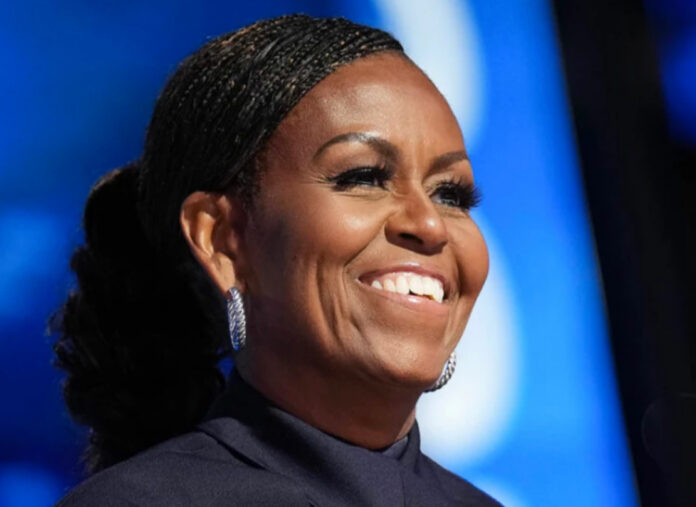
Former First Lady Michelle Obama challenged common political narratives by arguing that supporters of the MAGA movement are driven by economic desperation rather than racial bigotry, urging Americans to resist oversimplified characterizations of millions of voters.
A Different View of Trump Supporters
During an appearance on the podcast Talk Easy with Sam Fragoso, Obama addressed the political movement that propelled Donald Trump to the presidency. She rejected the notion that MAGA supporters are simply racist or indifferent to vulnerable Americans. Instead, she characterized them as working-class citizens frustrated by a system that stopped serving their needs. Obama pointed to voters who supported her husband Barack Obama twice before switching to Trump as evidence that economic anxiety, not intolerance, drove their political shift.
The former First Lady acknowledged that these voters may be acting against their own economic interests but described this as human nature. She placed responsibility on political leaders for failing to protect middle-class Americans adequately. Obama argued that dismissing Trump supporters as bigots oversimplifies complex motivations and ignores legitimate grievances about economic conditions facing working families across the country.
Personal Distance from Trump
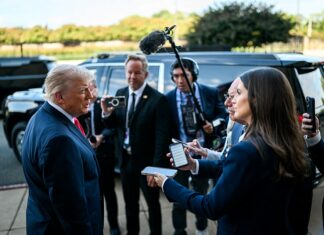
While Obama expressed understanding for MAGA movement members, she maintains clear opposition to its leader. She notably skipped Trump’s 2025 inauguration, a decision that aligns with the president’s repeated threats to prosecute Barack Obama for treason. This personal distance from Trump contrasts sharply with her willingness to humanize his political base, demonstrating a distinction between opposing leadership and understanding voters.
Implications for Political Discourse
Obama’s comments arrive at a time of deep partisan division in American politics. Her call for nuanced understanding of conservative voters represents a departure from typical Democratic Party rhetoric about Trump supporters. By framing MAGA voters as economically struggling Americans rather than irredeemable extremists, she suggests a path toward bridging political divides. Her analysis places economic policy failures at the center of political realignment rather than cultural or racial animosity. This perspective challenges both parties to address middle-class economic concerns more effectively rather than relying on cultural warfare to mobilize voters. Whether her message resonates beyond podcast listeners remains uncertain in an increasingly polarized political landscape.