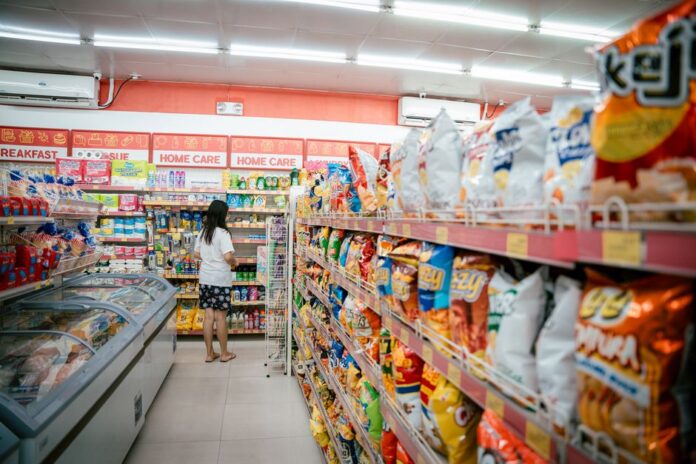
At least 38 people sustained minor injuries when portions of a plaster ceiling collapsed inside a Daegu supermarket on Saturday morning, raising questions about building safety standards in one of South Korea’s major cities.
Emergency Response and Casualty Assessment
The Daegu Fire Department received reports of the collapse at 10:16 a.m. local time and dispatched emergency personnel to the scene. Fire department official Yoon Jong-mi confirmed that 66 additional people evacuated the facility immediately following the incident. Nine individuals required hospital treatment, though emergency responders determined serious injuries were highly unlikely. Authorities indicated the injury toll could rise as assessments continued throughout the day.
The collapse occurred during peak shopping hours when the supermarket hosted numerous customers. Emergency crews systematically searched the affected area to ensure no one remained trapped beneath debris. The swift evacuation prevented what could have developed into a more severe situation, according to local fire officials.

Parts of the ceiling came down on the second floor of a four-story building in Daegu on Friday
Nine were taken to hospital for treatment, while 66 others evacuated without serious injuries
Building Safety Concerns
The incident highlights ongoing concerns about infrastructure maintenance in commercial facilities across South Korea. Plaster ceiling collapses typically result from water damage, structural deterioration, or inadequate maintenance protocols. Investigators will examine whether the supermarket management conducted regular safety inspections as required by local building codes. The affected facility’s age and maintenance history will factor significantly into determining liability and preventing future incidents.
South Korean authorities maintain strict building safety regulations, yet enforcement varies across municipalities. This collapse follows similar incidents in commercial spaces throughout Asia, where rapid construction and aging infrastructure create potential hazards. American businesses operating internationally face comparable challenges ensuring facilities meet rigorous safety standards that protect employees and customers.
What This Means
While this incident occurred overseas, it serves as a reminder that building safety standards and regular maintenance protocols protect lives. American consumers benefit from robust building codes and enforcement mechanisms that reduce such risks in domestic commercial spaces. The relatively minor nature of injuries demonstrates the importance of emergency preparedness and rapid response capabilities. As global commerce connects American companies with international operations, maintaining consistent safety standards across all facilities remains essential for protecting workers and consumers alike.