
Neighborhood Watch Programs: A Guide to Starting One
By Newsroom, General News Desk — Published August 26, 2026
Table of Contents
- Why Neighborhood Watch Programs Work
- Getting Started: The First Steps
- Training and Boundaries: What Watchers Should and Shouldn’t Do
- Sustaining Momentum Beyond the Launch
- Measuring Success and Adjusting Course
- Frequently Asked Questions
Crime doesn’t announce itself with a press release, and the best defense against it often comes from neighbors who know what belongs on their street and what doesn’t. Neighborhood watch programs remain one of the most effective forms of civic engagement activities, turning passive residents into active guardians of their own blocks. Whether you’re concerned about package theft, vandalism, or simply want to strengthen community bonds, starting a watch program is less about vigilantism and more about communication, organization, and partnership with local law enforcement.
The concept is straightforward: residents agree to keep an eye on each other’s property, report suspicious activity, and create a visible presence that discourages criminal behavior. But the execution requires planning, sustained effort, and an understanding of what these programs can and cannot accomplish.
Why Neighborhood Watch Programs Work
The psychology behind these initiatives is simple. Criminals prefer easy targets. A neighborhood where residents know each other, notice unfamiliar vehicles, and communicate regularly presents far more risk than one where everyone keeps to themselves. Studies on crime prevention consistently show that informal social control—the watchful eyes of engaged neighbors—deters opportunistic crime more effectively than any security system.
Beyond crime reduction, these programs address the isolation that defines many modern neighborhoods. They transform streets where people barely wave into communities where residents know names, share phone numbers, and look out for elderly neighbors or families on vacation. The public safety component may draw people in, but the social infrastructure often becomes the lasting benefit.
Law enforcement agencies generally support these efforts because they extend police presence without adding personnel. Officers can’t be everywhere, but a network of trained, observant residents multiplies their effectiveness. The key word is trained—successful programs teach participants what to watch for and, just as crucial, what not to do.
Getting Started: The First Steps
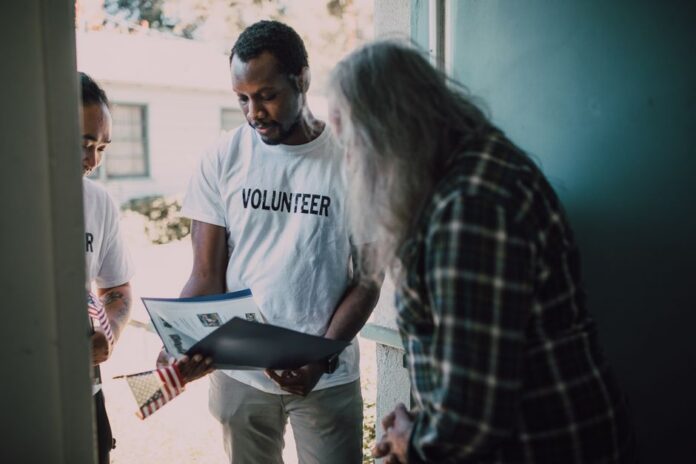
Launching a neighborhood watch begins with gauging interest and recruiting a core group. Start small. Knock on doors or distribute flyers announcing an initial meeting. Frame it around local interest stories people care about: recent break-ins, car prowlings, or even quality-of-life issues like illegal dumping or speeding. Make the invitation specific—date, time, location—and keep the first gathering informal.
Your initial meeting should accomplish several things. Introduce the concept and let neighbors voice their concerns. What problems do they see? What would they like to address? This isn’t just about crime; it’s about giving residents ownership of neighborhood happenings. From this conversation, you’ll identify who’s willing to take leadership roles and what geographic boundaries make sense for your group.
Contact your local police department early in the process. Most agencies have community liaison officers who work specifically with watch programs. They can provide training, materials, and guidance on how to structure your group effectively. Some departments offer formal certification programs; others simply ask that you register your group and attend an orientation session.
Essential Organizational Elements
Every functional watch program needs a basic structure. Designate a coordinator who serves as the main point of contact with law enforcement and manages communication among members. Block captains—residents who take responsibility for specific streets or clusters of homes—help distribute information and ensure everyone stays connected. These roles don’t require extensive time commitments, but they do need reliable people.
Establish clear communication channels. Group text chains, email lists, or neighborhood apps keep everyone informed without requiring constant meetings. When someone spots suspicious activity, they need a quick way to alert neighbors and, when appropriate, police. But set ground rules: what constitutes suspicious versus merely unfamiliar, when to call 911 versus the non-emergency line, and how to avoid the rumor mill.
Create a roster with names, addresses, phone numbers, and any special considerations—who works nights, who has mobility limitations, who’s trained in first aid. This directory becomes invaluable during emergencies and helps neighbors connect on everyday matters too.
Training and Boundaries: What Watchers Should and Shouldn’t Do
The single most important principle: observe and report, never confront. Neighborhood watch members are not amateur detectives or substitute police officers. Their job is to be the eyes and ears of their community, not to intervene in crimes or chase suspects. This boundary protects participants from liability and keeps the program focused on its actual strength—collective awareness.
Training sessions, typically provided by police departments, cover recognizing suspicious behavior without profiling, understanding when to call for help, and documenting useful information. What did the person or vehicle look like? What direction did they go? What time did this occur? These details help investigators far more than vague reports.
Programs must also address the risk of bias. Suspicion should be based on behavior, not appearance or unfamiliarity. Someone walking slowly and looking into car windows merits attention; someone simply being new to the neighborhood or of a different background does not. Good training emphasizes this distinction and encourages watchers to know their neighbors well enough to recognize actual anomalies.
Sustaining Momentum Beyond the Launch
Enthusiasm runs high after the first meeting, but maintaining engagement requires ongoing effort. Schedule regular gatherings—quarterly meetings work for many groups—to share updates, address new concerns, and keep relationships strong. These don’t have to be formal affairs. A summer block party or winter potluck that includes a brief check-in from the police liaison keeps things social while reinforcing the program’s purpose.
Visible markers help too. Signs announcing that a neighborhood watch operates in the area serve as deterrents and remind residents of their commitment. Some groups distribute window decals or yard signs to participating homes, creating a visible network.
Expand your scope gradually. Once the basic crime watch function is running smoothly, consider adding elements that address other community news updates: organizing cleanup days, coordinating emergency preparedness, or advocating for better street lighting. These broader civic engagement activities keep the group relevant even during periods of low crime.
Common Pitfalls to Avoid
- Overreliance on technology: Apps and cameras are tools, not replacements for human connection and communication.
- Exclusivity: Programs work best when they’re inclusive and welcoming to all residents, including renters and newcomers.
- Vigilantism: The moment a group starts confronting suspects or taking enforcement into their own hands, it crosses a dangerous line.
- Burnout: Rotate leadership responsibilities and keep expectations realistic to prevent key volunteers from exhausting themselves.
- Privacy violations: Watching for crime doesn’t mean surveilling neighbors’ personal lives or sharing information about who comes and goes from someone’s home.
Measuring Success and Adjusting Course
How do you know if your neighborhood watch is working? Crime statistics offer one measure, but they’re not the only indicator. Has participation remained steady or grown? Do neighbors report feeling safer? Are people more connected than before? These qualitative measures matter as much as any decline in burglary rates.
Stay in regular contact with your police liaison. They can provide data on incident reports in your area and offer feedback on what’s working. If participation drops or problems emerge, address them directly. Programs evolve, and what worked initially may need adjustment as the neighborhood changes.
Some groups discover that their real value lies less in crime prevention and more in community building. That’s not a failure—it’s a recognition that strong neighborhoods naturally experience less crime because residents care about their shared space and each other.
Frequently Asked Questions
Do neighborhood watch programs actually reduce crime?
Research shows mixed results, but programs that maintain active participation and strong police partnerships generally see reductions in opportunistic crimes like burglary, vandalism, and theft. The deterrent effect comes from increased visibility and reporting, not from any direct intervention. The social benefits—stronger community ties and increased feelings of safety—are often more pronounced and measurable than crime statistics alone suggest.
What if most neighbors aren’t interested in joining?
Start with those who are. Even a small core group of five to ten committed households can make a difference on a block. Focus on building relationships and demonstrating value through actions rather than trying to recruit everyone immediately. Success stories and visible improvements often draw in skeptics over time. Don’t let perfect participation prevent you from starting with the willing.
How much time does running a neighborhood watch require?
The time commitment varies with your role and the group’s activity level. Coordinators might spend two to four hours monthly on communication, planning meetings, and liaising with police. Block captains need even less—perhaps an hour or two to distribute information and check in with their segment. Most participants simply stay alert during their normal routines and attend occasional meetings. The structure should fit around people’s lives, not consume them.
Can apartment or condo communities start watch programs?
Absolutely. Multi-family housing often benefits even more from organized watch efforts because of shared common areas and higher density. Work with property management or homeowners’ associations to facilitate meetings and communication. The principles remain the same: build relationships among residents, establish clear reporting channels, and partner with local law enforcement. The structure might look different, but the core function—neighbors looking out for neighbors—translates perfectly to any housing type.
Starting a neighborhood watch program isn’t about transforming your street into a fortress or appointing yourself deputy sheriff. It’s about remembering that safety and community are collective projects, built through small acts of attention and care. The conversations that begin around security often lead somewhere deeper: a place where neighbors become something more than people who happen to live near each other.