A U.S. fighter jet deployed an aggressive intercept maneuver to force down a civilian aircraft that violated restricted airspace around President Trump’s Mar-a-Lago resort Saturday, raising fresh questions about security protocols protecting the former president during Florida’s midterm elections.
F-16 Executes Headbutt Maneuver
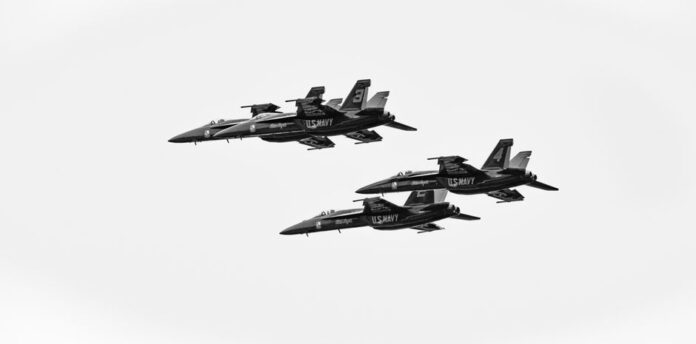
The incident occurred at 12:20 p.m. Eastern Time when an F-16 fighter jet scrambled by the North American Aerospace Defense Command flew dangerously close in front of the civilian plane to capture the pilot’s attention. NORAD officials confirmed the tactic, known as a “headbutt maneuver,” represents standard operating procedure when aircraft breach protected airspace without authorization. The aggressive positioning forces pilots to recognize they have entered forbidden territory and must immediately change course.
President Trump was voting at a West Palm Beach polling location during the airspace violation, several miles from his private resort. The timing of the breach during a presidential movement raised immediate security concerns among military officials monitoring the situation. Fighter jets remain on high alert whenever Trump visits his Florida property, given the resort’s proximity to civilian flight paths and recreational aviation activities.


Security Challenges at Mar-a-Lago
Mar-a-Lago presents unique protection challenges for the Secret Service and military defense systems. Unlike traditional government facilities with miles of buffer zones, the Palm Beach resort sits in densely populated areas with active airports nearby. Small aircraft, helicopters, and recreational drones frequently operate in surrounding airspace, requiring constant vigilance from defense systems. NORAD maintains fighter jets on standby status at nearby military installations, ready to scramble within minutes when threats emerge.
The Federal Aviation Administration establishes temporary flight restrictions around presidential locations, but violations occur regularly. Most result from pilot error rather than malicious intent, though each breach receives immediate military response. Saturday’s incident marks another example of civilian pilots either ignoring or remaining unaware of active flight restrictions despite multiple notification systems designed to prevent such violations.
What This Means
The swift military response demonstrates the robust security apparatus protecting former presidents, even at private residences. Fighter jet intercepts send clear messages to anyone considering unauthorized approaches to protected airspace. These incidents highlight ongoing tensions between civilian aviation freedoms and national security requirements, particularly in Florida’s congested coastal regions where presidential properties create frequent flight restrictions affecting thousands of pilots and aviation businesses.