
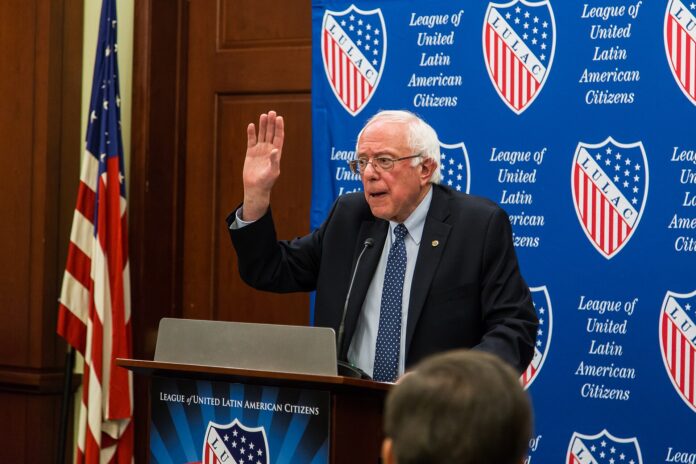
Senator John Fetterman publicly rebuked fellow Democrat Bernie Sanders over recent endorsement decisions, telling the Vermont senator to “humble himself” after Sanders backed candidates including one described as pro-Hamas and Graham Platner.
Public Criticism Within Democratic Ranks
The Pennsylvania senator directly challenged Sanders’ judgment in selecting candidates to endorse, marking a rare public split within the Democratic caucus. Fetterman’s criticism focused on Sanders’ pattern of endorsing candidates whose positions have drawn controversy, particularly regarding Middle East policy. The public rebuke signals growing divisions within the party over foreign policy stances and candidate vetting processes. Fetterman, known for his blunt communication style, did not soften his assessment of Sanders’ endorsement record.
The confrontation between the two progressive-leaning senators highlights internal Democratic debates about which candidates and positions the party should support. Sanders, a longtime independent who caucuses with Democrats, has built a reputation for endorsing candidates aligned with his progressive policy views. However, Fetterman’s pushback suggests some Democratic senators believe Sanders’ endorsement strategy has become problematic for the party’s broader electoral prospects and public image.
Controversial Endorsement History
Sanders faced particular scrutiny for endorsing a candidate characterized as pro-Hamas, raising concerns about Democratic positioning on Israel and Middle East conflicts. The endorsement of Graham Platner added to questions about Sanders’ vetting process for candidates he chooses to support publicly. These endorsement decisions have generated debate within Democratic circles about appropriate boundaries for candidate support and foreign policy positions. Critics argue that such endorsements could alienate moderate voters and complicate the party’s messaging on national security issues.
Implications for Democratic Unity
The public nature of Fetterman’s criticism represents an unusual breach of Senate collegiality, particularly within the same party caucus. This discord could signal broader tensions within the Democratic Party as it navigates internal disagreements over progressive versus moderate policy positions. The exchange also raises questions about how Democratic senators will approach endorsements in upcoming election cycles. As both senators maintain significant public profiles, their disagreement may influence how other Democratic officials handle candidate endorsements and position themselves on contentious foreign policy matters. The “humble yourself” directive from Fetterman suggests he believes Sanders needs to reconsider his approach to candidate selection and public endorsements moving forward.