
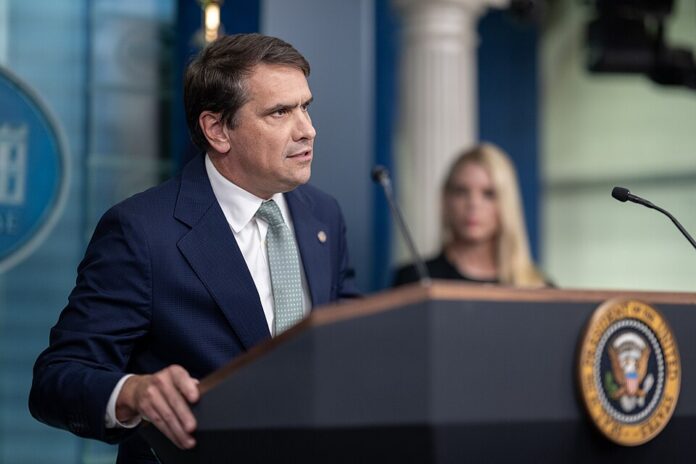
President Donald Trump threatened to pull his own Attorney General nominee, Todd Blanche, from consideration until two Republican senators leave office, escalating a high-stakes confirmation battle over a controversial IRS settlement deal.
Confirmation Standoff Intensifies
Trump targeted Senators John Cornyn of Texas and Thom Tillis of North Carolina on Truth Social Thursday morning after Blanche’s confirmation hearing was postponed late Wednesday. The President praised Blanche as a potential great Attorney General but said he would temporarily withdraw the nomination if the two senators refuse to support his former personal lawyer for the nation’s top prosecutor position. Both senators currently serve on the Senate Judiciary Committee, giving them significant leverage over the confirmation process.
Cornyn quickly dismissed the threat, noting that concerns about the IRS settlement extend beyond just him and Tillis. Trump previously blocked Cornyn’s reelection by endorsing Texas Attorney General Ken Paxton, while Tillis chose retirement last year. The President criticized both for voting to confirm Merrick Garland and other nominees he opposed.
Settlement Dispute at Heart of Conflict
The confirmation blockade centers on an IRS settlement between Trump, his family, and federal tax authorities reached earlier this year. Cornyn and Tillis demand written guarantees that would permanently eliminate a nearly two billion dollar anti-weaponization fund and remove audit immunity provisions from the agreement. Negotiations continue, but the senators have not received the specific concessions they seek to advance Blanche’s nomination.
Tillis expressed concern that someone in the administration wants to preserve the fund, potentially harming Republican prospects in upcoming midterm elections. He emphasized his opposition targets the settlement terms, not Blanche personally, and remains optimistic about reaching an agreement.
Legal and Political Implications
If Trump withdraws Blanche’s nomination, federal law allows him to remain as Acting Attorney General until late February under the Federal Vacancies Reform Act. The law permits acting cabinet officials to serve 210 days, with the clock resetting when nominations are pending. Senate Majority Leader John Thune suggested resolving the senators’ concerns rather than waiting, though he deferred to Trump’s decision. Republicans face challenging Senate races ahead, offering no guarantee of easier confirmation next year even with potential seat changes.