
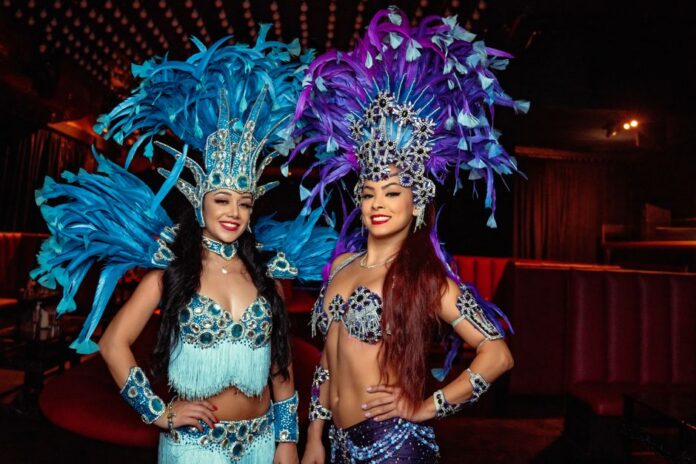
Photo: Denys Gromov / Pexels
By Political Watch Newsroom, Entertainment Desk — Published October 9, 2026
Table of Contents
- Key Takeaways
- The Background & Context
- Why This Matters
- Reactions & Analysis
- What Happens Next
- Frequently Asked Questions
A new cultural showcase is set to spotlight the profound impact Hispanic artists and creators have had on American entertainment. “Cabaret Latino” aims to recognize Hispanic influence on the nation’s pop culture landscape, celebrating decades of contributions that have shaped music, film, television, and streaming content consumed by millions across the United States.
The initiative arrives at a moment when Latino representation in American media has never been more visible—or more scrutinized. From blockbuster movies to chart-topping streaming series, Hispanic voices are reshaping what audiences watch, hear, and talk about. Yet questions persist about whether recognition matches influence, and whether the entertainment industry truly reflects the demographic reality of a nation where Hispanics comprise nearly 20 percent of the population.
“Cabaret Latino” represents an effort to bridge that gap. By shining a light on Hispanic contributions to American pop culture, the project seeks to acknowledge both historical pioneers and contemporary stars who have left indelible marks on the entertainment world.
Key Takeaways
- “Cabaret Latino” is designed to recognize and celebrate Hispanic influence on American pop culture across multiple entertainment platforms
- The initiative highlights contributions spanning music, movies, television, and modern streaming content
- Hispanic representation in American media has grown significantly, reflecting demographic shifts in the U.S. population
- The project comes amid ongoing conversations about diversity, representation, and equity in the entertainment industry
- Cultural recognition efforts like this serve to educate audiences about the depth of Latino contributions to American artistic life
The Background & Context
Hispanic influence on American pop culture stretches back generations, though mainstream recognition has often lagged behind the actual impact. From Desi Arnaz revolutionizing television in the 1950s with “I Love Lucy” to Rita Moreno breaking barriers in Hollywood’s golden age, Latino performers have been integral to American entertainment history.
The landscape has evolved dramatically. Today’s streaming era has created new opportunities for diverse storytelling. Platforms like Netflix, Hulu, and Disney+ have invested heavily in Latino-focused content, recognizing both the market potential and cultural importance of reaching Hispanic audiences. Shows with predominantly Latino casts and creative teams have found crossover success, demonstrating that authentic representation resonates beyond any single demographic.
Music has perhaps been the most visible arena of Hispanic cultural influence. Latin rhythms have infused American pop for decades, from the mambo craze of the 1950s through salsa’s urban explosion in the 1970s to today’s reggaeton and Latin trap dominating global charts. Artists like Selena, Shakira, and more recently Bad Bunny have not merely crossed over—they’ve redefined what mainstream American music sounds like.
In film, directors like Guillermo del Toro, Alfonso Cuarón, and Alejandro González Iñárritu—the “Three Amigos” of Mexican cinema—have won multiple Academy Awards, bringing distinctly Latin American sensibilities to Hollywood’s biggest stage. Meanwhile, actors from diverse Hispanic backgrounds have moved from character roles to leading-man and leading-lady status.
Why This Matters
Recognition matters because visibility shapes opportunity. When young people see themselves reflected in popular culture, it expands their sense of what’s possible. When Hispanic kids watch television and see doctors, lawyers, heroes, and leaders who look like them and share their cultural background, it challenges limiting stereotypes and opens doors.
For the broader American public, understanding Hispanic contributions to pop culture means understanding American culture itself. The United States has always been a nation of cultural exchange and fusion. What we consider quintessentially American often has roots in multiple traditions, including Hispanic ones. Recognizing this enriches our collective understanding of who we are.
The economic dimension cannot be ignored. Hispanic consumers represent enormous purchasing power—estimated at over $1.9 trillion annually. Entertainment companies that fail to recognize and serve this audience leave money on the table. But beyond market calculations, there’s a question of fairness and accuracy. Should the nation’s pop culture reflect its demographic composition? Many argue yes.
Political implications exist too. Cultural representation influences how communities perceive their place in society. When Hispanic contributions are acknowledged and celebrated, it reinforces the message that Latino Americans are full participants in national life, not outsiders or recent arrivals. In an era of intense debate over immigration and national identity, these symbolic recognitions carry weight.
Reactions & Analysis
Cultural initiatives like “Cabaret Latino” typically draw praise from advocacy groups and community organizations that have long pushed for greater Hispanic representation in media. Such efforts are seen as corrective—addressing historical erasure and contemporary underrepresentation.
Industry observers note that recognition events and showcases can serve multiple purposes. They celebrate achievement, certainly, but they also function as networking opportunities and platforms for emerging talent. By bringing together established stars and rising creators, these gatherings can spark collaborations and mentorships that shape the next generation of entertainment.
Some critics of diversity initiatives in entertainment argue that merit should be the only criterion for success, suggesting that identity-based recognition programs create artificial categories. Supporters counter that merit has never operated in a vacuum—that networks, access, and opportunity have historically been distributed unevenly, and that corrective measures are both fair and necessary.
The timing of such recognition efforts matters. As streaming services compete for subscribers and traditional media companies adapt to changing consumption habits, content featuring diverse voices and perspectives has proven both critically acclaimed and commercially successful. “Cabaret Latino” arrives when the business case for representation aligns with social justice arguments.
Academic researchers who study media representation point out that visibility alone isn’t enough. The quality and complexity of representation matters too. Are Hispanic characters fully realized individuals or stereotypes? Are Latino creators working behind the camera as well as in front of it? Recognition initiatives ideally prompt these deeper questions.
What Happens Next
The trajectory of Hispanic representation in American pop culture appears to be ascending, driven by demographic trends, market forces, and cultural momentum. The U.S. Census Bureau projects that Hispanics will comprise nearly 30 percent of the U.S. population by 2050. Entertainment companies are already positioning themselves for this future.
Streaming platforms will likely continue investing in Latino-focused content, both in English and Spanish. The success of bilingual and Spanish-language programming on major U.S. platforms has demonstrated that language barriers are less formidable than once assumed, particularly for younger, digitally native audiences comfortable with subtitles and code-switching.
Recognition events like “Cabaret Latino” may become more common as institutions across American society grapple with questions of diversity and inclusion. Museums, universities, and cultural organizations are increasingly examining their collections, curricula, and programming through equity lenses.
The challenge moving forward will be sustaining momentum and ensuring that recognition translates into systemic change. Does celebrating Hispanic influence lead to more Hispanic executives in entertainment companies? Does it create pathways for Latino writers, directors, and producers? Does it result in more nuanced, complex portrayals of Hispanic life in American media?
Political dynamics will influence these trends. Immigration policy, language politics, and debates over American identity all intersect with questions of cultural representation. How the nation navigates these tensions will shape the space available for Hispanic voices in pop culture.
Frequently Asked Questions
What is “Cabaret Latino” and what does it aim to accomplish?
“Cabaret Latino” is an initiative designed to recognize and celebrate Hispanic influence on American pop culture. It aims to spotlight the contributions Latino artists, creators, and performers have made across entertainment platforms including music, film, television, and streaming content, raising awareness of the depth and breadth of Hispanic impact on American cultural life.
Why is Hispanic representation in pop culture important?
Representation matters because it shapes how communities see themselves and how others perceive them. For Hispanic Americans, seeing their culture and experiences reflected authentically in popular entertainment validates their place in society and provides role models for younger generations. For all Americans, accurate representation enriches cultural understanding and reflects the nation’s true diversity.
How has Hispanic influence on American entertainment evolved over time?
Hispanic influence has grown from early pioneers who broke barriers in mid-20th century film and television to today’s landscape where Latino creators work across all entertainment sectors. The streaming era has accelerated this evolution, creating new platforms for diverse storytelling and allowing Spanish-language and bilingual content to reach mainstream American audiences in unprecedented ways.
What challenges remain for Hispanic representation in American media?
Despite progress, challenges persist including underrepresentation in executive and decision-making roles, stereotypical portrayals, and limited opportunities for complex storytelling. While visibility has increased, questions remain about whether representation matches demographic reality and whether Hispanic creators have equitable access to resources and opportunities within the entertainment industry.
As American pop culture continues evolving, initiatives like “Cabaret Latino” serve as important markers—acknowledging how far we’ve come while reminding us how much work remains. The Hispanic influence on American entertainment isn’t new, but recognizing it fully and fairly is an ongoing project, one that enriches our national culture and moves us closer to a media landscape that truly reflects all Americans.