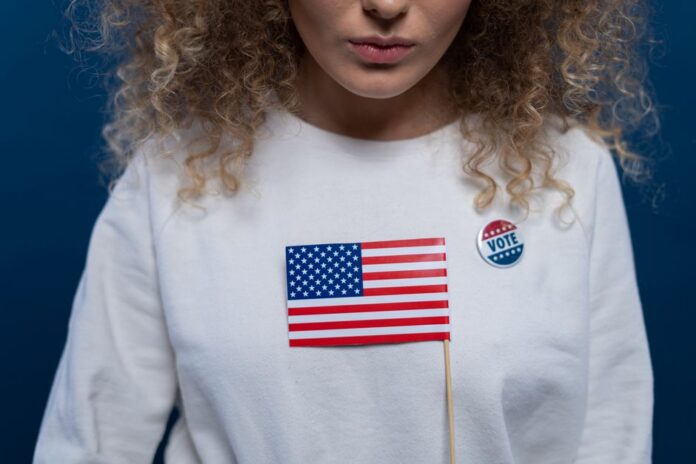
Photo: cottonbro studio / Pexels
By Political Watch Newsroom, National Desk — Published October 7, 2026
Table of Contents
- Key Takeaways
- The Background & Context
- Why This Matters
- Reactions & Analysis
- What Happens Next
- Frequently Asked Questions
The federal government is preparing to send election monitors to polling sites across the country, a move that has ignited fierce debate about voter protection versus potential voter intimidation. As Americans prepare to cast ballots, the Justice Department deploy plans have become a flashpoint in ongoing tensions over election integrity and federal oversight of state-run voting processes.
The deployment represents a longstanding practice by the federal government to ensure compliance with federal voting rights laws. Yet this year’s rollout comes amid heightened political polarization and competing narratives about election security. Critics argue the presence of federal monitors could intimidate voters or signal distrust in local election officials, while supporters maintain the observers serve as essential safeguards against discrimination and voting rights violations.
The controversy touches fundamental questions about federalism, civil rights enforcement, and the balance between protecting ballot access and respecting state authority over elections. For millions of voters heading to the polls, the presence—or absence—of federal observers may shape their experience and confidence in the democratic process.
Key Takeaways
- The Justice Department is deploying election monitors to polling locations nationwide, continuing a decades-old federal practice of election oversight.
- Critics have raised concerns that the presence of federal monitors could intimidate voters or undermine confidence in local election administration.
- The deployment occurs against a backdrop of intense political debate over election integrity, voting rights, and the appropriate role of federal oversight in state-run elections.
- The monitors are tasked with ensuring compliance with federal voting rights laws and observing potential violations of civil rights protections at the polls.
- The controversy reflects broader tensions between federal authority and state sovereignty in election administration.
- Both supporters and opponents of the deployment cite voter protection as their primary concern, though they disagree sharply on whether monitors help or hinder that goal.
The Background & Context
Federal election monitoring has roots stretching back to the Voting Rights Act of 1965, landmark civil rights legislation designed to combat racial discrimination at the polls. For decades, the Justice Department has sent trained personnel to observe elections in jurisdictions with histories of voting rights violations or where concerns about discrimination have emerged. These monitors traditionally focus on ensuring that minority voters can cast ballots without obstruction, intimidation, or discriminatory practices.
The legal framework for this oversight rests primarily on federal civil rights statutes. Monitors do not interfere with the voting process itself. They observe. They document. They report back to Justice Department attorneys who can take enforcement action if violations occur.
The practice has evolved over time, shaped by Supreme Court decisions and changing political dynamics. In 2013, the high court struck down a key provision of the Voting Rights Act that required certain jurisdictions with histories of discrimination to obtain federal approval before changing voting procedures. That decision reshaped the landscape of federal election oversight, limiting some tools while leaving others intact.
In recent election cycles, the deployment of federal monitors has become more politically charged. Disputes over voter identification laws, early voting access, and mail-in ballots have intensified scrutiny of both state election procedures and federal oversight mechanisms. What was once a relatively routine civil rights enforcement tool has become entangled in broader partisan battles over election administration.
The current deployment comes as election officials nationwide report unprecedented levels of threats and harassment. Local administrators face intense pressure from multiple directions: activists demanding stricter security measures, advocacy groups pushing for expanded access, and a polarized public increasingly suspicious of the electoral system itself. Into this volatile environment, federal monitors now arrive.
Why This Matters
For ordinary Americans, the presence of federal observers at polling places raises fundamental questions about trust, authority, and the health of democratic institutions. Elections represent the core mechanism through which citizens exercise political power. Any perception that the process is compromised—whether by discrimination, fraud, or intimidation—strikes at the foundation of representative government.
The debate over monitors reflects competing visions of what threatens election integrity most. One perspective holds that voter suppression and discrimination remain serious problems requiring robust federal enforcement. Historical patterns of disenfranchisement, particularly of minority communities, justify continued vigilance and oversight. From this view, monitors serve as essential protectors of civil rights, ensuring that all eligible citizens can vote without obstruction.
The opposing perspective worries that excessive federal involvement signals distrust of local officials and creates opportunities for intimidation or interference. State and local authorities, accountable to their communities, should run elections without federal second-guessing. The presence of outside monitors, critics argue, may confuse or frighten voters, suppress turnout, or provide ammunition for those seeking to delegitimize election results.
Both concerns carry weight. Taxpayers fund election systems at multiple levels of government, expecting transparency and fairness. Voters deserve confidence that their ballots will count and that the process operates free from discrimination or manipulation. The challenge lies in achieving these goals simultaneously, balancing protection against different forms of electoral abuse.
The controversy also illuminates broader anxieties about federal power and state autonomy. Elections in the United States are fundamentally state and local affairs, conducted under state law by county and municipal officials. Yet federal constitutional guarantees and civil rights protections create legitimate grounds for national oversight. Navigating this tension has never been simple, and current political divisions make it harder still.
Reactions & Analysis
Response to the Justice Department deployment has split along predictable lines, though not exclusively partisan ones. Civil rights organizations have generally welcomed federal oversight as necessary protection for vulnerable voters. They point to documented instances of discriminatory practices, long lines in minority neighborhoods, and voter intimidation efforts as evidence that monitoring remains essential.
Election officials themselves have offered mixed reactions. Some welcome federal observers as neutral witnesses who can verify the integrity of their processes and protect against unfounded accusations. Others view the monitors as unwelcome intrusions that complicate already challenging logistics and imply distrust of professional administrators who take their responsibilities seriously.
Legal experts note that the deployment operates within established statutory authority, regardless of whether one approves of the practice. The Justice Department has clear legal grounds to enforce federal voting rights laws, and courts have consistently upheld this authority. The question is not whether the department can deploy monitors, but whether doing so serves the intended purpose or produces unintended consequences.
Political leaders have seized on the controversy to advance competing narratives about election integrity. Some frame the monitors as essential safeguards against voter suppression. Others characterize them as federal overreach or potential tools for intimidation. These competing narratives reflect deeper disagreements about what threatens American elections most: discrimination and suppression, or fraud and manipulation.
Voters themselves appear divided, their views often shaped by their broader political orientations and levels of trust in government institutions. Those who see elections as fundamentally sound may view monitors as unnecessary or counterproductive. Those who perceive serious threats to voting rights may welcome federal oversight as crucial protection.
What Happens Next
The immediate future will test whether federal monitors can fulfill their intended function without exacerbating tensions or creating new problems. Much depends on how the deployment unfolds in practice: whether monitors conduct themselves professionally, whether their presence reassures or alarms voters, and whether they document genuine violations or become pawns in political disputes.
Legal challenges seem likely, though their prospects remain uncertain. Courts have generally upheld federal authority to enforce voting rights laws, but specific deployment decisions could face scrutiny if they appear arbitrary or politically motivated. Expect litigation over the scope of federal oversight and the proper balance between national civil rights enforcement and state election administration.
Longer term, the controversy may accelerate calls for clearer standards governing federal election monitoring. Current practices rest on a patchwork of statutes, court decisions, and Justice Department policies developed over decades. Comprehensive legislation could clarify when and how federal monitors deploy, what authority they possess, and how to balance oversight with respect for state and local election officials.
The debate also signals likely continued conflict over election administration broadly. As political polarization deepens, every aspect of voting procedures becomes contested terrain. Federal monitoring represents just one flashpoint in ongoing battles over voter identification, early voting, mail ballots, and countless other procedural questions that shape who votes and how.
For defense of democratic norms, the stakes extend beyond any single election. Sustained loss of public confidence in electoral integrity—from any direction—threatens the legitimacy of government itself. Whether federal monitors help restore that confidence or further erode it may depend less on their legal authority than on their practical effect on voter experience and public perception.
Frequently Asked Questions
What exactly do Justice Department election monitors do?
Federal election monitors observe polling places to ensure compliance with federal voting rights laws. They watch for discriminatory practices, intimidation, or violations of civil rights protections. They do not interfere with voting, handle ballots, or participate in election administration. Their role is strictly observational, documenting what they see for potential enforcement action by Justice Department attorneys.
Is it legal for the Justice Department to send monitors to polling places?
Yes, the Justice Department has clear statutory authority to enforce federal voting rights laws, including through the deployment of monitors to observe compliance. This authority derives from civil rights legislation and has been upheld by courts. The practice dates back decades and represents routine civil rights enforcement, though it has become more politically controversial in recent years.
How do election monitors differ from poll watchers?
Election monitors are federal officials enforcing national civil rights laws. Poll watchers are typically partisan volunteers designated by political parties or candidates under state law. Monitors answer to the Justice Department and focus on federal law compliance. Poll watchers represent specific campaigns or parties and operate under state regulations that vary considerably across jurisdictions.
Could the presence of federal monitors intimidate voters?
Critics argue that federal monitors could intimidate some voters or create confusion about who has authority at polling places. Supporters counter that properly trained monitors should reassure voters and protect against actual intimidation by others. The practical effect likely depends on how monitors conduct themselves, how their role is communicated to voters, and the broader political context in each jurisdiction.
As Americans cast ballots under the watchful eyes of federal observers, the experiment in election oversight continues. Whether these monitors ultimately strengthen or weaken public confidence in democratic processes remains an open question, one that will be answered not in courtrooms or legislative chambers but in the lived experience of voters navigating a system under extraordinary strain.