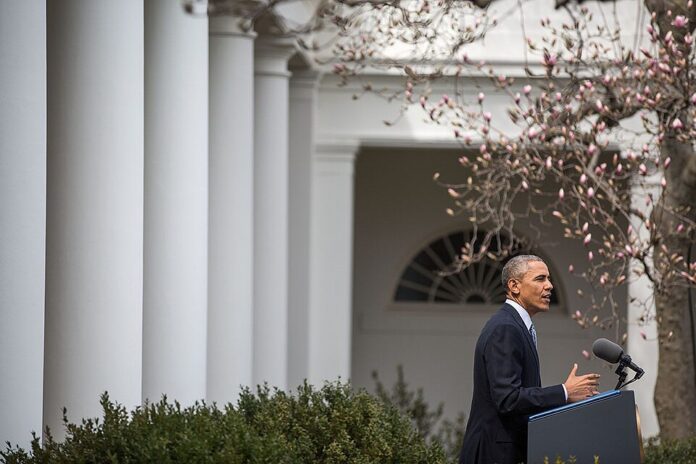
Former President Barack Obama publicly questioned President Donald Trump’s approach to negotiating with Iran, suggesting the emerging agreement will closely resemble the 2015 nuclear deal Trump previously condemned.
Obama Questions New Iran Negotiations
In an interview with ABC News, Obama expressed skepticism about Trump’s diplomatic efforts with Iran. The former president stated it was “doubtful” any agreement reached by the current administration would prove “significantly different” or represent a “significant improvement” over the nuclear accord his administration brokered in 2015. Obama’s comments mark a rare public criticism of his successor’s foreign policy decisions during active negotiations.
The 2015 Joint Comprehensive Plan of Action aimed to restrict Iran’s nuclear program in exchange for sanctions relief. Trump withdrew from that agreement during his previous term, calling it the worst deal ever negotiated. Now, as Trump pursues renewed talks with Tehran, Obama suggests the outcome may vindicate his original approach to containing Iran’s nuclear ambitions through diplomatic channels rather than military threats.
Critique of Confrontational Diplomacy
Obama used the interview to challenge what he characterized as overly aggressive foreign policy tactics. “It’s a reminder that on a lot of different foreign policy problems, the notion we can just bully our way or bomb our way to a solution may sometimes seem appealing,” the former president said. He argued that diplomatic solutions remain superior to military interventions for preventing armed conflicts and achieving lasting stability in volatile regions.
The critique highlights fundamental disagreements between the two administrations on how America should exercise power abroad. While Obama favored multilateral agreements and patient negotiation, Trump has historically championed maximum pressure campaigns and bilateral dealmaking. The current Iran negotiations represent a test of whether Trump’s confrontational approach ultimately produces different results than Obama’s diplomatic framework.
Implications for Middle East Policy
Obama’s remarks arrive as the Trump administration works to finalize terms with Iranian officials. Any new agreement will face scrutiny from both supporters who expect improvements over the 2015 deal and critics who opposed the original accord. The former president’s intervention adds political pressure to negotiations already complicated by regional tensions and domestic opposition. Whether Trump can deliver substantive changes to satisfy his base while achieving nuclear restrictions acceptable to international partners remains uncertain as talks continue.