Photo: dp singh Bhullar / Pexels
By Political Watch Newsroom, Entertainment Desk — Published August 27, 2026
Table of Contents
- Key Takeaways
- The Background & Context
- Why This Matters
- Reactions & Analysis
- What Happens Next
- Frequently Asked Questions
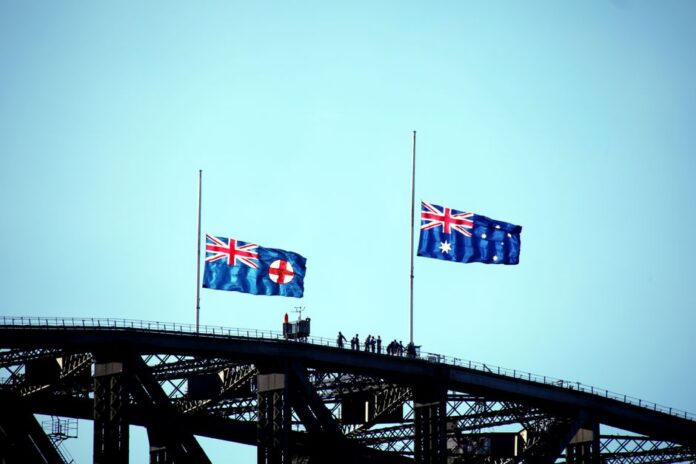
The United States is mourning the loss of one of its most beloved cultural icons. Flags half mast across the nation signal a moment of collective grief as Americans and fans worldwide grapple with the passing of Dolly Parton, a towering figure whose influence stretched far beyond country music into film, television, philanthropy, and the very fabric of American pop culture. The outpouring of tributes has been immediate and heartfelt, with one sentiment capturing the mood: the world feels less sparkly without her.
Parton’s death marks the end of an era in entertainment. For decades, she has been a fixture in American homes through her music, movies, and streaming specials. Her presence transcended generations, making her one of the rare celebrities who could claim genuine universal appeal. The decision to lower flags reflects not just her artistic achievements but her status as a unifying figure in an often-divided nation.
Reports indicate that tributes have been flowing in from around the globe, including from New Zealand, where Parton maintained a special connection. According to sources, she “loved everything about” the island nation and even served as an “aunty” figure to at least one fortunate New Zealander, demonstrating the personal touch that made her beloved far beyond American borders.
Key Takeaways
- US flags have been lowered to half-mast in honor of Dolly Parton following her death, a rare tribute reserved for figures of exceptional national significance.
- Tributes are pouring in from across the United States and internationally, with many expressing that “the world feels less sparkly” without her presence.
- Parton maintained a special relationship with New Zealand, where she was known to have “loved everything about” the country.
- At least one New Zealand resident considered Parton an “aunty” figure, illustrating her personal connections beyond her celebrity status.
- The singer’s impact spanned music, film, television, streaming platforms, and philanthropy, making her a true multimedia icon.
- Her death represents the loss of a unifying cultural figure whose appeal crossed political, generational, and geographic boundaries.
The Background & Context
Dolly Parton built a career that defied easy categorization. She rose from poverty in rural Tennessee to become one of the most successful entertainers in American history. Her journey embodied the American dream, and she never forgot her roots, using her platform and wealth to give back to communities in need.
Her contributions to entertainment alone would have secured her legacy. But Parton was never content to be just a singer or actress. She became a businesswoman, theme park owner, and literacy advocate. Her Imagination Library, which provided free books to children, distributed millions of volumes across the United States and beyond. This work earned her respect from educators, parents, and policymakers alike.
The decision to fly flags at half-mast is typically reserved for presidents, members of Congress, military heroes, and figures of exceptional national importance. That Parton has received this honor speaks to her unique place in American life. She managed to be both a Southern icon and a global star, a country music legend who appeared on pop charts, and a politically savvy figure who largely avoided partisan divides.
Her international reach extended notably to New Zealand, a country she visited and embraced. The affection was mutual. Reports confirm that Parton expressed deep love for everything about New Zealand, and her connection to the nation was personal enough that at least one Kiwi considered her family. This global appeal was part of what made Parton special—she could make millions feel seen while making individuals feel personally valued.
Why This Matters
In an age of fragmentation—where streaming services divide audiences, political polarization splits communities, and social media creates echo chambers—Dolly Parton remained a rare point of consensus. Republicans and Democrats alike claimed her. Young people discovered her through TikTok and streaming platforms while their grandparents owned her vinyl records. This kind of universal appeal has become increasingly rare in American public life.
Her death comes at a moment when Americans are hungry for figures who can unite rather than divide. The tributes flooding in reflect not just sadness at losing a talented performer but anxiety about losing the kind of grace, humor, and humanity she represented. When people say the world feels “less sparkly,” they’re expressing something deeper than grief over a celebrity—they’re mourning a kind of optimism and warmth that seems in short supply.
For the entertainment industry, Parton’s passing marks a turning point. She represented an older model of stardom, one built on decades of consistent work, genuine talent, and personal authenticity rather than viral moments and manufactured controversy. Her success in music, movies, and television came from craft and connection, not algorithm manipulation. In today’s entertainment landscape, it’s unclear whether anyone can build the kind of career she had.
The economic impact of her loss will be felt as well. Parton’s business empire, including Dollywood and various entertainment ventures, employed thousands and generated significant revenue for Tennessee and beyond. Her brand represented American entrepreneurship at its best—built on talent, hard work, and genuine value rather than financial engineering or exploitation.
Reactions & Analysis
The phrase “world feels less sparkly” has emerged as a common refrain among those paying tribute. This language captures something essential about Parton’s public persona—she brought light and joy to even difficult situations. Her optimism wasn’t naive; it was hard-won, rooted in real struggle and genuine empathy.
The international dimension of the mourning, particularly from New Zealand, underscores how Parton transcended American borders. According to reports, her love for New Zealand was genuine and reciprocated. The revelation that she served as an “aunty” figure to a New Zealander illustrates how she maintained personal connections despite global fame. This wasn’t just a celebrity making appearances; this was someone who built real relationships.
The decision to lower flags represents official recognition of her cultural importance. While the specific authority ordering the flag lowering hasn’t been detailed in available reports, the action itself is significant. It places Parton in the company of presidents and national heroes, acknowledging that cultural contributions can be as important to national identity as political or military service.
Social media has become a digital memorial, with millions sharing memories, songs, and stories. The tributes span generations and backgrounds, from country music purists to pop culture enthusiasts, from literacy advocates to theme park fans. This breadth of mourning demonstrates the multiple ways Parton touched American life.
What Happens Next
The immediate future will likely bring official memorial services and tributes. Expect television networks and streaming platforms to air retrospectives and concerts. Her music will dominate charts as new listeners discover her catalog and longtime fans revisit favorites. This pattern has become familiar when major cultural figures pass, but Parton’s catalog is so vast and varied that the rediscovery process may be particularly extensive.
Questions about her business empire will need answers. Dollywood and her other ventures employ thousands and anchor regional economies. Succession planning for such enterprises is complex, and how her heirs and business partners manage the transition will have real consequences for workers and communities.
Her philanthropic work, particularly the Imagination Library, will face questions about continuity. The program has been remarkably successful, but it relied heavily on Parton’s personal involvement and fundraising ability. Ensuring these initiatives continue without her will require careful planning and committed leadership.
Culturally, Parton’s death may prompt reflection on what kind of public figures Americans want to celebrate and elevate. Her combination of talent, generosity, humor, and wisdom set a standard that few can match. Whether the entertainment industry and the public will seek out and support similar figures, or whether the economics and incentives of modern media make such careers impossible, remains to be seen.
The international tributes, particularly from New Zealand, suggest her legacy will be maintained globally. Cultural exchanges, tribute concerts, and continued appreciation of her work will likely span continents, ensuring that her influence endures beyond American borders.
Frequently Asked Questions
Why are US flags being flown at half-mast for Dolly Parton?
Flags are being lowered to honor Dolly Parton following her death, recognizing her exceptional contributions to American culture, entertainment, and philanthropy. This tribute, typically reserved for figures of great national significance, reflects her status as a unifying cultural icon whose impact extended far beyond music into film, television, business, and charitable work that touched millions of lives.
What was Dolly Parton’s connection to New Zealand?
According to reports, Dolly Parton expressed that she “loved everything about” New Zealand and maintained a special relationship with the country. Her connection was personal enough that at least one New Zealander considered her an “aunty” figure, demonstrating that her international relationships went beyond typical celebrity appearances to include genuine personal bonds.
How did Dolly Parton impact American pop culture beyond music?
Parton’s influence extended across multiple entertainment platforms including movies, television, and streaming services. She built a business empire that included the Dollywood theme park, created the Imagination Library literacy program that distributed millions of free books to children, and became a rare figure capable of appealing across generational, political, and cultural divides in an increasingly fragmented media landscape.
What does the phrase “world feels less sparkly” mean in tributes to Dolly Parton?
This phrase, appearing in tributes following Parton’s death, captures the sense that her optimism, warmth, and joyful presence brought light to the world. It reflects not just sadness at losing a talented entertainer but a deeper mourning for the kind of genuine positivity and grace she represented—qualities that many feel are increasingly rare in public life.
As the nation lowers its flags and the world shares its grief, Dolly Parton’s legacy comes into sharper focus. She was more than an entertainer. She was a reminder of what’s possible when talent meets generosity, when success doesn’t require cruelty, and when fame can be wielded with grace. The sparkle may seem dimmed, but the light she brought to millions will continue to shine through her music, her charitable work, and the countless lives she touched with her particular brand of kindness.