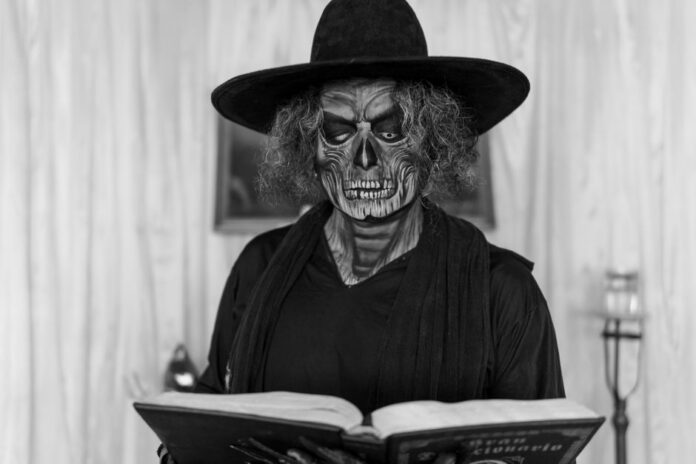
Photo: Israyosoy S. / Pexels
By Political Watch Newsroom, Entertainment Desk — Published November 1, 2026
Table of Contents
- Key Takeaways
- The Background & Context
- Why This Matters
- Reactions & Analysis
- What Happens Next
- Frequently Asked Questions
The United States has long been the uncontested heavyweight champion of global entertainment. From Hollywood’s golden age to the streaming revolution, American movies, TV shows, and cultural exports have dominated screens worldwide. But something fundamental is shifting. The very phrase “American horror story” now captures more than just a popular television anthology—it describes a creeping anxiety about America’s fading cultural supremacy in an increasingly fragmented media landscape.
Recent developments across entertainment sectors suggest that American pop culture is losing its iron grip. The gangster genre, once a quintessentially American art form, appears to be in decline. Meanwhile, casting decisions that prioritize celebrity over craft—such as reality star Kim Kardashian’s appearance on the horror anthology series—raise questions about whether the industry values fame over storytelling. These aren’t isolated incidents. They’re symptoms of a broader transformation.
For decades, American entertainment defined what the world watched, listened to, and talked about. That dominance is now under siege from multiple directions: international competitors producing high-quality content, streaming platforms fragmenting audiences, and domestic creative wells running dry on certain genres that once seemed inexhaustible.
Key Takeaways
- American pop culture’s global dominance is facing unprecedented challenges as traditional genres and storytelling formulas lose their grip on audiences.
- The gangster genre, a cornerstone of American cinema and television, has experienced a significant decline in cultural relevance and production.
- Celebrity casting in prestige television, including Kim Kardashian’s role in American Horror Story, reflects shifting industry priorities that may prioritize star power over traditional acting credentials.
- Streaming platforms have fragmented audiences and created new competitive pressures that challenge American entertainment’s historical advantages.
- International content producers are increasingly capturing global market share, threatening America’s century-long cultural export dominance.
- The transformation reflects broader questions about American cultural influence and soft power in the 21st century.
The Background & Context
America’s cultural dominance wasn’t accidental. It was built systematically over a century through massive capital investment, technological innovation, and a star-making machine that turned actors into global icons. Hollywood became synonymous with cinema itself. American television formats were licensed worldwide. Pop music from Nashville, Detroit, and Los Angeles set global trends.
The gangster genre exemplified this dominance. From the early days of James Cagney and Edward G. Robinson through The Godfather trilogy and Goodfellas, to prestige television’s The Sopranos and Boardwalk Empire, the American gangster story became a universal language. These narratives explored power, family, betrayal, and the dark underbelly of the American Dream in ways that resonated across cultures.
But that genre now appears to be fading. Reports indicate the gangster story has been “whacked”—a victim of changing audience tastes, exhausted narrative formulas, and perhaps a cultural moment less interested in romanticizing organized crime. The decline of such a foundational American genre signals something deeper than mere cyclical taste shifts.
Television, particularly serialized drama, became America’s most potent cultural export in the 21st century. Shows like Breaking Bad, Game of Thrones, and yes, American Horror Story, commanded global attention and shaped conversations across continents. The anthology horror series, created by Ryan Murphy and Brad Falchuk, became a cultural phenomenon by reinventing itself each season with new themes, characters, and scares.
Yet even this successful franchise has made controversial choices. Kim Kardashian’s casting in American Horror Story generated significant attention—and criticism. Reviews described her performance as “terrifying,” though not necessarily in the way the horror genre intends. The reality television star and business mogul’s appearance raised fundamental questions about whether American entertainment now values celebrity recognition over trained craft, Instagram followers over acting ability.
Why This Matters
Cultural dominance isn’t just about box office receipts or streaming numbers. It represents soft power—the ability to shape global conversations, influence values, and define what’s cool, important, or worth discussing. For most of the 20th century and into the 21st, American entertainment wielded this power effortlessly.
That influence is economic. The entertainment industry employs millions of Americans, from Los Angeles production crews to New York writers’ rooms to Atlanta sound stages. When American content loses market share globally, jobs and economic vitality suffer domestically. The industry contributes billions to the U.S. economy annually.
It’s also political. American movies and television shows have long served as informal ambassadors, spreading democratic values, individualism, and American perspectives on freedom and opportunity. When Korean dramas, British crime series, Spanish thrillers, and Bollywood productions capture global audiences, America’s narrative dominance—and with it, its ability to shape global discourse—diminishes.
For American audiences specifically, the shift matters because it reflects changing creative priorities. When a major anthology series casts a reality star in a significant role, it suggests the industry believes name recognition trumps performance ability. That calculation may prove correct in attracting initial viewers, but it risks alienating audiences seeking substantive storytelling.
The decline of entire genres like the gangster story means fewer diverse narrative options for viewers. It suggests creative exhaustion or risk-aversion in an industry increasingly dominated by franchise properties, reboots, and safe bets. Original storytelling suffers when studios and networks play it safe.
Reactions & Analysis
Industry observers have noted these trends with concern and analysis. The review of Kardashian’s American Horror Story performance captured the tension between celebrity culture and dramatic credibility. While her appearance undoubtedly generated publicity and likely attracted viewers unfamiliar with the series, it also prompted questions about artistic integrity in an age of influencer culture.
The gangster genre’s decline has been documented by entertainment journalists tracking production trends and audience preferences. Fewer mob stories are being greenlit. The ones that do get made often struggle to find audiences already saturated by decades of similar narratives. The genre that once seemed inexhaustible has, according to reports, been “whacked”—a victim of its own success and changing cultural appetites.
Streaming platforms have simultaneously democratized content creation and fragmented audiences. Netflix, Amazon Prime, Disney+, HBO Max, and numerous competitors all vie for subscriber attention. This competition has produced remarkable television but has also made it harder for any single show or genre to achieve the cultural penetration that once seemed routine for American entertainment.
International competitors have seized the opportunity. South Korean content, from Parasite to Squid Game, has captured global imagination. British productions continue their long tradition of quality drama. Spanish-language shows find audiences far beyond their linguistic origins. These aren’t niche products—they’re mainstream hits that directly challenge American dominance.
Critics and cultural commentators increasingly frame this shift as a natural evolution rather than a crisis. American entertainment’s century of dominance was historically anomalous, they argue, enabled by unique post-World War II circumstances that no longer exist. A more multipolar cultural landscape may actually be healthier and more representative of global diversity.
What Happens Next
The American entertainment industry faces a choice. It can double down on celebrity casting and franchise properties, banking on name recognition and established intellectual property to maintain market share. Or it can recommit to original storytelling, writer development, and the kind of creative risk-taking that built its dominance in the first place.
Genres will continue to rise and fall. The gangster story may be dormant rather than dead, awaiting a creative vision that reinvents it for contemporary audiences. Other genres will emerge to take its place, though whether they’ll be distinctively American or more internationally influenced remains to be seen.
Streaming platforms will continue fragmenting audiences, making cultural consensus harder to achieve. The days when everyone watched the same three networks are gone forever. This fragmentation creates opportunities for niche content but challenges for broad cultural impact.
International competition will only intensify. As production quality equalizes globally and distribution barriers fall, American content will compete on merit rather than default dominance. That’s a harder game, requiring better stories and more authentic voices rather than relying on historical advantages.
The broader question is whether American culture can adapt to a world where it’s one voice among many rather than the dominant voice. That transition requires humility, creativity, and a willingness to learn from international competitors who are increasingly setting the standard for quality entertainment.
Frequently Asked Questions
Why is American pop culture losing its global dominance?
American pop culture faces challenges from multiple directions: international competitors producing high-quality content, streaming platforms fragmenting audiences, and creative exhaustion in traditional American genres. Countries like South Korea, the United Kingdom, and Spain now produce globally competitive entertainment that directly challenges American content for viewer attention and market share.
What happened to the gangster genre in American entertainment?
The gangster genre, once a cornerstone of American cinema and television, has experienced significant decline. Reports indicate the genre has been “whacked,” struggling to find audiences after decades of similar narratives. Fewer mob stories are being produced, and those that are made often fail to achieve the cultural impact of classics like The Godfather or The Sopranos.
Why was Kim Kardashian’s casting in American Horror Story controversial?
Kardashian’s appearance in American Horror Story raised questions about whether the entertainment industry prioritizes celebrity recognition over traditional acting credentials. While her casting generated publicity and likely attracted new viewers, reviews described her performance as “terrifying” in ways that suggested concerns about dramatic ability. The decision reflects broader industry trends valuing fame and social media following over trained craft.
Does this shift in pop culture dominance affect average Americans?
Yes, in multiple ways. The entertainment industry employs millions of Americans and contributes billions to the economy. Cultural dominance also represents soft power—America’s ability to shape global conversations and influence values. When American content loses market share, both economic opportunities and cultural influence diminish. For viewers, it may mean fewer diverse storytelling options as studios play it safe with celebrity casting and franchise properties.
The American horror story unfolding in entertainment isn’t about monsters or jump scares. It’s about an industry grappling with its own diminished influence and uncertain future. Whether this represents a temporary setback or permanent shift remains to be seen. What’s certain is that American entertainment can no longer assume its dominance is guaranteed. In a globalized media landscape, it must earn audience attention through quality, originality, and authentic storytelling—the same qualities that built its supremacy in the first place.