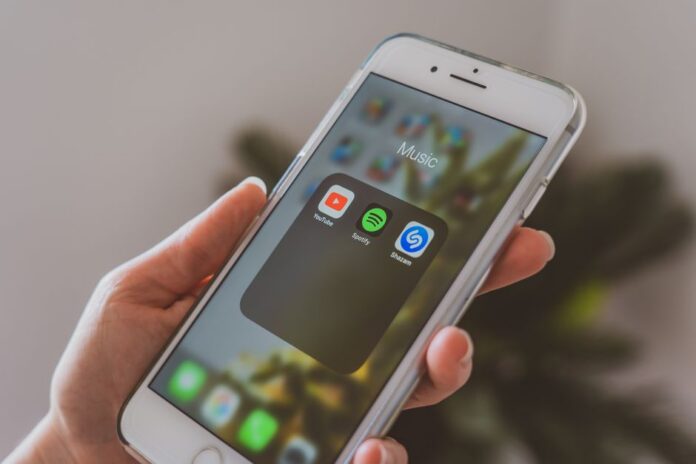
Photo: Castorly Stock / Pexels
By Political Watch Newsroom, Entertainment Desk — Published October 29, 2026
Table of Contents
- Key Takeaways
- The Background & Context
- Why This Matters
- Reactions & Analysis
- What Happens Next
- Frequently Asked Questions
The way Americans consume music has fundamentally changed. No longer do we flip through CD collections or wait for our favorite songs on the radio. Instead, millions of us tap a screen and summon any song, any artist, any time. This revolution in how we access entertainment has reshaped not just the music industry, but the very relationship between artists and audiences. The music mind streaming ecosystem now dominates American culture, yet beneath the convenience lies a growing tension over fairness, compensation, and artistic sustainability.
Musicians across genres are speaking out about shrinking payments from streaming platforms, even as these services report record subscriber numbers. At the same time, the industry celebrates milestones like major Latin music events, highlighting streaming’s power to amplify diverse voices. This paradox defines our current moment: unprecedented access paired with unprecedented anxiety about the future of music creation.
For everyday listeners, these industry battles might seem distant. But they determine which artists can afford to keep making music, which genres thrive, and ultimately what fills our playlists tomorrow.
Key Takeaways
- Musicians are increasingly challenging streaming services over payment structures they describe as inadequate for sustaining careers
- The streaming model has transformed how audiences discover and consume music, with implications for artist compensation and creative output
- Major cultural events like Latin music showcases demonstrate streaming’s capacity to elevate diverse musical traditions to mainstream audiences
- The tension between platform profitability and artist sustainability has become a defining issue in contemporary entertainment
- How we stream music today shapes which artists can afford to create the pop culture, TV soundtracks, and movie scores of tomorrow
- The debate reflects broader questions about how digital platforms compensate creators across entertainment industries
The Background & Context
The music industry has weathered seismic shifts before. Radio threatened sheet music sales. Cassettes supposedly endangered vinyl. Digital downloads disrupted physical media. But streaming represents something different: a fundamental restructuring of the economic relationship between creator and consumer.
Traditional music sales operated on a simple premise. You bought an album or single. The artist received a royalty. Streaming upended this model entirely. Now listeners pay monthly subscriptions or tolerate advertisements. Platforms collect revenue. Then they distribute fractions of pennies per stream to rights holders based on complex formulas that vary by service.
For major labels and superstar artists with billions of streams, the math works. For mid-tier and emerging musicians, it often doesn’t. A song needs hundreds or thousands of plays to generate what a single album sale once provided. This reality has forced artists to tour relentlessly, seek brand partnerships, and hustle on social media just to sustain careers that previous generations built primarily through recorded music sales.
The transformation happened quickly. Spotify launched in the United States in 2011. Apple Music followed in 2015. Within a decade, streaming became the dominant revenue source for the recording industry. Convenience won. Listeners embraced unlimited access. But the financial infrastructure supporting artists struggled to adapt at the same pace.
This context matters because streaming platforms have become cultural gatekeepers. Their algorithms shape what millions hear. Their playlists can make or break careers. Their payment structures determine who can afford to be a professional musician. When artists push back against these arrangements, they’re fighting not just for better rates but for the future viability of music as a profession.
Why This Matters
The streaming debate extends far beyond industry insiders. It affects what music gets made, which voices we hear, and how diverse our cultural landscape remains.
Consider the economic pressure. When streaming payments fall short, artists face hard choices. Some abandon music entirely for day jobs. Others compromise artistic vision for algorithmic favor, crafting songs designed to hook listeners in the first few seconds to avoid being skipped. The most vulnerable—emerging artists without existing fan bases or independent musicians without label support—often suffer most acutely.
This matters to American listeners because it shapes the ecosystem. If only wealthy artists or those backed by major labels can afford to create music, we lose the scrappy independents, the genre innovators, the regional voices that have always enriched American music. The folk singers, jazz experimenters, and garage bands that defined previous eras might not survive in an environment where only viral hits and playlist placements generate meaningful income.
The issue also connects to broader questions about platform economics. Musicians aren’t alone in grappling with how digital intermediaries distribute revenue. Journalists, podcasters, video creators, and other entertainment professionals face similar challenges. How we resolve the streaming payment debate could set precedents for other creative industries.
For taxpayers and citizens, there’s a civic dimension too. Music education, public performances, and cultural programming all depend on a healthy ecosystem of working musicians. When fewer people can make a living creating music, communities lose teachers, performers, and the cultural vitality they provide. The streaming economy’s sustainability directly affects the cultural infrastructure of American life.
Events showcasing diverse musical traditions, like major Latin music celebrations, demonstrate streaming’s positive potential. These platforms can amplify voices historically marginalized in mainstream media. But only if the economic model allows those artists to keep creating.
Reactions & Analysis
Musicians have responded to payment concerns through multiple channels. Some have pulled catalogs from certain platforms in protest. Others have organized advocacy groups pushing for legislative reforms to streaming royalty structures. High-profile artists have used their platforms to spotlight the issue, while lesser-known musicians have shared financial breakdowns showing how thousands of streams translate to dollars that wouldn’t cover a grocery bill.
The pushback reflects growing frustration with a system many artists describe as opaque and inequitable. Streaming services counter that they’ve revived a music industry devastated by piracy, providing legal access that generates billions in revenue. They point to total payouts increasing year over year as subscriber bases grow. The disagreement centers on how that revenue gets divided.
Industry observers note that streaming services themselves often operate on thin margins, pressured by competition and licensing costs. This complicates the narrative. It’s not simply greedy platforms hoarding cash. The economics involve complex negotiations between streaming companies, record labels, publishers, and performing rights organizations, with artists often holding the least leverage in those discussions.
Some analysts suggest the real problem lies in how labels and publishers distribute streaming revenue to artists, rather than what platforms pay out. Others argue the per-stream rate itself remains too low regardless of how it’s divided. These competing diagnoses make solutions elusive.
Meanwhile, the celebration of major cultural events in the streaming era shows the system’s capacity to elevate diverse genres. Latin music’s growing prominence in mainstream American culture owes much to streaming’s ability to transcend geographic and linguistic barriers. What once required specialty radio stations or import shops now reaches any smartphone. That democratization represents genuine progress, even as payment structures remain contested.
What Happens Next
The tension between access and compensation will likely intensify before it resolves. Several factors will shape the outcome.
Legislative attention is growing. Lawmakers have begun examining streaming economics, particularly how royalties get calculated and distributed. Any regulatory intervention could reshape industry practices, though the music business’s complexity makes simple fixes unlikely.
Market competition may also drive change. If a platform emerges offering substantially better artist compensation and successfully attracts top talent, competitors might adjust their models. So far, the major services have remained closely aligned on payment structures, but that could shift.
Artist leverage matters too. High-profile musicians withholding new releases or catalogs from platforms could force negotiations. But collective action remains difficult in a fragmented industry where individual incentives often override solidarity.
Technology might offer partial solutions. Blockchain-based distribution systems and direct-to-fan platforms promise to reduce intermediaries, though they haven’t yet achieved mainstream scale. These alternatives could pressure traditional streaming services to improve terms.
Consumer awareness plays a role as well. As listeners become more conscious of how their subscription dollars reach artists, some may migrate to platforms with better compensation models or supplement streaming with direct artist support through merchandise and concert tickets. Cultural attitudes toward fairly compensating creators could influence industry practices.
The most likely outcome involves incremental adjustments rather than revolutionary change. Streaming has become too entrenched to disappear. But sustained pressure from artists, potential regulatory action, and market dynamics could gradually improve payment structures and transparency. The question is whether improvements will come fast enough to prevent further erosion of the professional musician class.
Frequently Asked Questions
How much do streaming services actually pay per stream?
Payment rates vary by platform and circumstance, but musicians typically receive fractions of a cent per stream. The exact amount depends on the streaming service, the listener’s subscription type, the artist’s contract with labels or distributors, and other factors. This complexity makes it difficult for artists to predict earnings, and the low per-stream rate means thousands of plays are needed to generate meaningful income.
Why can’t artists just refuse to put their music on streaming platforms?
Most artists feel they have little choice. Streaming platforms have become where audiences discover and consume music. Absence from these services means invisibility to most listeners, particularly younger demographics. For emerging artists, streaming presence is essential for building fan bases. Only the most established musicians have sufficient leverage to withhold music without sacrificing career viability.
Are streaming platforms profitable enough to pay artists more?
The financial picture is complicated. Some streaming services operate at losses or narrow margins due to high licensing costs and intense competition. However, the total revenue flowing through the streaming ecosystem is substantial. The debate centers on how that revenue gets distributed among platforms, labels, publishers, and artists, rather than simply whether more money exists in the system.
How does this affect what music gets made?
Economic pressure influences creative decisions. Artists may craft shorter songs to maximize playlist inclusion, front-load hooks to prevent skips, or chase trending sounds for algorithmic favor. Genres requiring expensive production or those with smaller audiences face particular challenges. When fewer musicians can sustain careers, the diversity of voices and styles in the musical landscape potentially narrows, affecting what listeners ultimately have available to stream.
The streaming revolution promised unlimited access to all music, anytime, anywhere. It delivered on that promise. But the cost of that convenience is still being calculated, in artist livelihoods and cultural sustainability. How Americans resolve this tension will determine not just the future of the music industry, but the richness of the soundtrack to our national life.