Photo: KoolShooters / Pexels
By Political Watch Newsroom, Entertainment Desk — Published September 26, 2026
Table of Contents
- Key Takeaways
- The Background & Context
- Why This Matters
- Reactions & Analysis
- What Happens Next
- Frequently Asked Questions
Americans seeking meaningful entertainment in an era of endless streaming options are increasingly turning to the cultural touchstones of the 1970s. These classics to listen to and read offer more than nostalgia—they provide perspective on an era that shaped modern pop culture, from music and literature to the storytelling techniques that dominate today’s TV and movies.
The renewed interest reflects a broader cultural moment. Audiences exhausted by algorithm-driven recommendations are rediscovering works that once defined a generation’s artistic ambitions. NPR’s Pop Culture Happy Hour has spotlighted this trend, examining how 1970s entertainment continues to resonate with contemporary viewers and readers.
This isn’t merely about retro aesthetics. The decade’s creative output tackled social upheaval, political disillusionment, and personal identity with a rawness that feels startlingly relevant. From groundbreaking albums to boundary-pushing novels, these works established templates still used across entertainment platforms today.
Key Takeaways
- NPR’s Pop Culture Happy Hour has featured discussions on 1970s classics worth revisiting, emphasizing their enduring cultural relevance
- The program also highlighted contemporary artists like Phoebe Bridgers, whose work echoes the emotional complexity of 1970s songwriting
- Georgia Public Broadcasting has promoted weekend guides to reading, viewing, and listening that connect past and present entertainment
- The 1970s produced foundational works across music, literature, and film that continue influencing modern streaming content and pop culture
- Cultural commentators note that revisiting these classics offers context for understanding today’s entertainment landscape
- The trend reflects audience fatigue with algorithm-driven content and a hunger for works with lasting artistic merit
The Background & Context
The 1970s represented a watershed moment in American entertainment. The decade began with the Vietnam War still raging and ended with the Iranian hostage crisis. Between those bookends, Watergate shattered faith in institutions, economic stagflation squeezed middle-class families, and social movements demanded recognition.
Artists responded with unprecedented creative freedom. Record labels, still flush with cash, allowed musicians to experiment. Publishers took risks on unconventional voices. Hollywood’s studio system had collapsed, enabling directors to make personal, challenging films.
The music industry produced albums that functioned as complete artistic statements rather than vehicles for singles. Singer-songwriters explored introspection and political consciousness. Rock fragmented into subgenres—progressive, punk, funk, disco—each reflecting different facets of American life.
Literature experienced similar ferment. Novelists abandoned traditional narrative structures. Journalists pioneered “New Journalism,” blurring the line between reporting and storytelling. Science fiction and fantasy gained literary respectability, addressing contemporary anxieties through speculative lenses.
Film entered its “New Hollywood” era. Directors like Francis Ford Coppola, Martin Scorsese, and Robert Altman created morally complex works that questioned American mythology. These movies didn’t offer easy answers—they reflected the decade’s ambiguity.
This creative explosion occurred before corporate consolidation transformed entertainment into a risk-averse industry dominated by franchises and sequels. The 1970s may represent the last moment when mainstream American culture embraced genuine artistic experimentation on a mass scale.
Why This Matters
Understanding why 1970s classics remain relevant requires examining how they shaped modern entertainment consumption. Today’s streaming platforms offer unprecedented choice, yet many subscribers report decision paralysis. Algorithms recommend content based on viewing history, creating echo chambers that limit discovery.
The 1970s classics offer an antidote. These works demand active engagement rather than passive consumption. They reward patience. They don’t always resolve neatly, mirroring life’s actual complexity.
For younger audiences raised on superhero franchises and IP extensions, encountering original 1970s works can prove revelatory. These aren’t sequels or reboots—they’re standalone artistic visions. They demonstrate that popular entertainment can challenge audiences while remaining accessible.
The political dimension matters too. The 1970s grappled with institutional failure, social division, and economic anxiety—issues that resonate strongly today. Artists of that era processed these challenges through their work, offering models for how creative expression can address civic concerns without becoming didactic.
Cultural critics note that the 1970s established many templates for contemporary pop culture. The confessional singer-songwriter tradition influences today’s most successful musicians. The decade’s paranoid thrillers anticipated our current surveillance anxieties. Its science fiction explored technology’s double-edged nature, themes now central to discussions about artificial intelligence and social media.
Even the business model matters. The 1970s demonstrated that taking creative risks could yield commercial success. That lesson feels urgent as entertainment conglomerates increasingly prioritize “safe” bets over original voices.
Reactions & Analysis
Public broadcasting outlets have embraced the mission of connecting audiences with significant cultural works from past decades. Georgia Public Broadcasting has developed weekend guides helping listeners, viewers, and readers discover material that brings genuine satisfaction rather than mere distraction.
NPR’s Pop Culture Happy Hour represents a particularly influential voice in this conversation. The program balances accessibility with critical rigor, making sophisticated cultural analysis available to general audiences. By featuring discussions of 1970s classics alongside contemporary works, the show implicitly argues for continuity between past and present.
The program’s coverage of Phoebe Bridgers illustrates this approach. Bridgers’ music, described as “gorgeous” in its handling of grief and joy, echoes the emotional complexity that defined 1970s singer-songwriters. Her work demonstrates how contemporary artists build on foundations laid decades ago.
This intergenerational dialogue enriches both past and present. Younger listeners discovering 1970s albums gain context for understanding modern music’s evolution. Older audiences encountering contemporary artists who honor that tradition see its continued vitality.
Cultural commentators observe that this isn’t simple nostalgia. Nostalgia idealizes the past, stripping away context and complexity. The current interest in 1970s classics involves critical engagement—recognizing both achievements and limitations, understanding historical context, and extracting lessons applicable today.
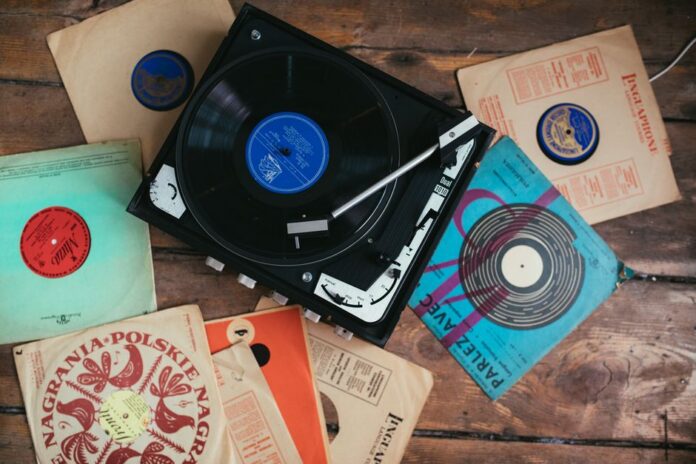
The phenomenon also reflects changing media consumption patterns. Physical media sales are rising after years of decline. Vinyl records, the dominant format of the 1970s, now outsell CDs. Listeners report appreciating the tactile experience and the commitment required to play an entire album side.
What Happens Next
The renewed interest in 1970s classics suggests several emerging trends. Entertainment companies may greenlight more projects that prioritize artistic vision over franchise potential. Streaming platforms could develop better curation tools that surface significant older works rather than just promoting new releases.
Educational institutions might expand curricula to include more systematic study of 1970s pop culture. Understanding that decade’s creative output provides essential context for analyzing contemporary entertainment. Students studying film, music, or literature need exposure to the works that established current conventions.
For individual consumers, the implications are immediate. Anyone feeling overwhelmed by streaming options or dissatisfied with algorithm-driven recommendations can explore 1970s classics as a starting point for deeper engagement with entertainment. These works offer entry into broader conversations about art, politics, and society.
The trend may also influence contemporary artists. As more audiences demonstrate appetite for complex, challenging work, creators might feel emboldened to take risks. The 1970s proved that artistic ambition and popular success need not be mutually exclusive.
Public broadcasting’s role appears increasingly vital. As commercial media consolidates, nonprofit outlets provide crucial space for thoughtful cultural discussion. Their weekend guides and analysis programs help audiences navigate entertainment landscapes in ways that enrich rather than merely distract.
The conversation around 1970s classics ultimately raises questions about cultural memory and artistic value. What deserves preservation and continued attention? How do we balance celebrating past achievements with supporting contemporary creators? These questions will shape entertainment’s future direction.
Frequently Asked Questions
Why are 1970s classics particularly relevant right now?
The 1970s addressed social division, institutional distrust, and economic anxiety through groundbreaking creative works. These themes resonate powerfully with contemporary American experiences. Additionally, the decade’s artistic experimentation offers alternatives to today’s franchise-dominated entertainment landscape, providing audiences with original, challenging works that reward active engagement.
How does NPR’s Pop Culture Happy Hour approach these classics?
The program features discussions that connect 1970s works with contemporary entertainment, demonstrating continuity between past and present. By examining both classic material and modern artists who build on those foundations, the show provides context that enriches understanding of cultural evolution while making sophisticated analysis accessible to general audiences.
What types of 1970s entertainment should newcomers explore first?
Start with works frequently cited as influential: landmark albums that defined genres, novels that broke narrative conventions, and films from the New Hollywood era. Public broadcasting guides and cultural programs offer curated recommendations that provide entry points into the decade’s diverse creative output, helping audiences discover material aligned with their interests.
How do contemporary artists like Phoebe Bridgers connect to 1970s traditions?
Modern musicians often draw on the emotional complexity and confessional songwriting pioneered in the 1970s. Artists who balance grief and joy, explore personal vulnerability, and create cohesive album-length works follow templates established decades ago. Recognizing these connections deepens appreciation for both contemporary music and its historical foundations.
The conversation about 1970s classics ultimately transcends entertainment criticism. It touches fundamental questions about cultural value, artistic integrity, and how societies preserve meaningful work. As streaming platforms multiply and content proliferates, the ability to distinguish lasting art from disposable distraction becomes increasingly important. The 1970s offer a roadmap—not for replicating the past, but for remembering that popular culture can challenge, provoke, and inspire while remaining genuinely entertaining.