
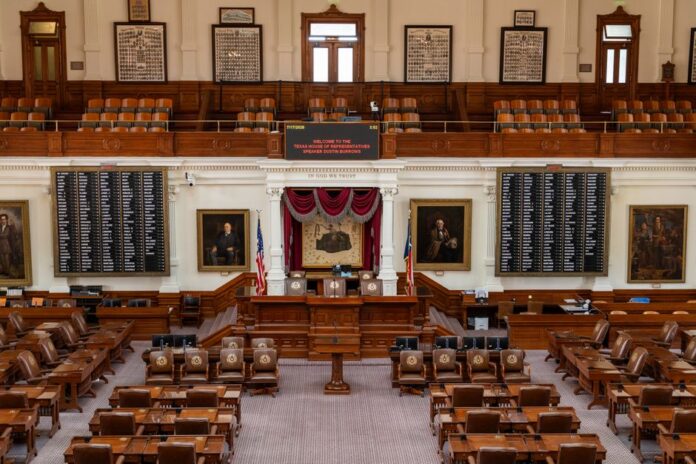
House Floor Debates: How Representatives Vote on Bills
By Newsroom, Congressional Affairs Desk — Published August 25, 2026
Table of Contents
- The Journey Before House Floor Debates Begin
- The Mechanics of Floor Debate and Voting
- The Bicameral Legislature Reality Check
- The Political Calculus Behind Every Vote
- Congressional Oversight and Accountability in Action
- Frequently Asked Questions
When Americans think of Capitol Hill legislation in action, they often picture dramatic house floor debates where lawmakers passionately argue over the future of the nation. But the reality of how the House of Representatives votes on bills is far more procedural than most civics classes suggest. Understanding this process reveals not just how laws are made, but how power flows through the legislative branch and why some bills sail through while others languish for years.
The House floor is where months of committee work, negotiation, and political calculation culminate in a recorded vote. Yet what happens in those final moments represents only the visible tip of a complex legislative process that shapes everything from federal budgets to civil rights protections.
The Journey Before House Floor Debates Begin
A bill doesn’t simply appear on the House floor for debate. The path there winds through congressional committees, where the real legislative heavy lifting occurs. After a representative introduces legislation, the Speaker of the House refers it to the appropriate committee based on subject matter. A healthcare bill goes to Energy and Commerce. Tax legislation lands in Ways and Means. This referral decision alone can determine whether a bill has any chance of advancing.
Committee chairs wield enormous power at this stage. They decide which bills get hearings and which die quietly. During committee hearings and investigations, members question experts, hear from stakeholders, and propose amendments. Subcommittees often handle the initial detailed work before sending bills back to the full committee. Only bills that survive a committee vote—and many don’t—move toward the floor.
The House Rules Committee then enters the picture, functioning as the Speaker’s traffic cop. This committee determines the terms of debate: how long representatives can speak, whether amendments can be offered, and what procedural motions are allowed. A “closed rule” permits no amendments. An “open rule” allows any germane amendment. A “structured rule” falls somewhere between, permitting only pre-approved amendments. These rules shape the entire debate before it begins.
Why the Rules Matter More Than the Debate
The terms set by the Rules Committee often matter more than the floor debate itself. A closed rule on a controversial bill prevents the minority party from offering politically uncomfortable amendments designed to force difficult votes. An open rule on a broadly supported measure signals bipartisan negotiations and compromises are welcome. The majority party uses these procedural tools to maintain control while giving members from competitive congressional district representation enough flexibility to explain their votes back home.
The Mechanics of Floor Debate and Voting
Once a bill reaches the floor during a congressional session, the process follows a predictable rhythm. The House typically operates as the “Committee of the Whole” for initial debate, a parliamentary fiction that lowers the quorum requirement and speeds proceedings. The majority and minority each control blocks of time, which they allocate to members who wish to speak.
Floor speeches serve multiple purposes beyond persuasion. Representatives speak to create a legislative record that courts may later consult when interpreting the law. They speak to signal positions to interest groups and donors. They speak to generate video clips for social media and local news. Actual persuasion of colleagues happens mostly in private conversations, not in formal debate.
When debate time expires, the House moves to votes. Several types exist:
- Voice vote: Members shout “aye” or “no,” and the presiding officer judges which side prevailed. Used for non-controversial measures.
- Division vote: Members stand to be counted, but no record of individual positions is kept.
- Recorded vote: Each member’s position is documented. This can occur through the electronic voting system, where representatives insert a personalized card and press a button for yes, no, or present.
- Roll call vote: The clerk calls each member’s name aloud. Rare today but sometimes used for ceremonial purposes.
The electronic voting period typically lasts fifteen minutes, though leadership sometimes holds votes open longer for strategic reasons—giving time to persuade wavering members or await the arrival of absent colleagues. This practice, while controversial, is perfectly legal.
The Bicameral Legislature Reality Check
Passing the House represents only half the battle in our bicameral legislature. The Senate must approve the identical text of any bill before it reaches the president. This requirement creates several pathways. Sometimes the Senate takes up the House bill directly. Other times the Senate passes its own version, requiring a conference committee to reconcile differences.
The Senate’s procedures differ dramatically from the House. While the House limits debate through rules, the Senate tradition of unlimited debate enables the filibuster and procedural tactics that can block legislation even when a majority supports it. A bill that cleared the House with relative ease might face months of delay or death in the Senate. This dynamic shapes House strategies. Why spend political capital passing controversial legislation if the Senate won’t act?
When the Senate Changes Everything
Senate confirmation hearings for presidential nominees represent another intersection of legislative branch powers. While not directly related to House floor votes on bills, the Senate’s unique confirmation role reminds us that the two chambers have distinct constitutional responsibilities. The House can impeach; the Senate tries impeachments. The House originates revenue bills; the Senate can still amend them heavily. These differences mean lawmakers and representatives must understand both chambers’ dynamics to legislate effectively.
The Political Calculus Behind Every Vote
Representatives weigh multiple factors when voting. Constituent preferences matter, especially on high-profile issues. A member from a conservative district faces different pressures than one from a liberal stronghold. Swing-district representatives often face the hardest choices, needing to balance party loyalty against local sentiment.
Party leadership applies pressure through various means. Committee assignments, fundraising support, and campaign resources flow more readily to loyal members. Yet leadership also understands that members from competitive districts sometimes need permission to vote against the party. The art of vote counting involves knowing exactly how many defections can be tolerated and which members can safely break ranks.
Interest groups monitor votes closely, maintaining scorecards that rate members on specific issues. A single vote can affect campaign contributions, endorsements, and primary challenges. Representatives also consider how votes might appear in future attack ads. This explains why some members choose to be absent for particularly controversial votes rather than taking a position.
Congressional Oversight and Accountability in Action
Not all House floor activity involves passing new laws. The chamber also exercises congressional oversight and accountability through resolutions that don’t require Senate approval or presidential signatures. The House can pass resolutions expressing the chamber’s sense on an issue, directing committees to investigate, or holding individuals in contempt.
These oversight tools connect to the voting process because they demonstrate the House’s power beyond legislation. A resolution authorizing a committee investigation can have enormous consequences even though it’s not a law. Understanding House floor debates means recognizing that not all votes carry equal weight in the lawmaking process, but all votes carry political weight.
Frequently Asked Questions
How long do House floor debates typically last?
The duration varies widely based on the bill’s complexity and controversy. Non-controversial measures might receive just a few minutes of debate under suspension of the rules. Major legislation could see several hours or even days of debate spread across multiple sessions. The Rules Committee sets the specific time limits, which the majority and minority parties then divide. Most bills, however, receive far less debate than the public might expect, with much of the real deliberation happening in committees before reaching the floor.
Can representatives change their vote after the voting period closes?
Once the presiding officer announces the result and the vote officially closes, members cannot change their recorded position. However, members can request unanimous consent to correct their vote if they pressed the wrong button or had a card malfunction, but this must happen before the result is announced. After the fact, a member can submit a statement for the Congressional Record explaining how they intended to vote, but this doesn’t change the official tally or outcome.
What happens if there’s a tie vote in the House?
Unlike the Senate, where the vice president breaks ties, the House has no tie-breaking mechanism. If a vote results in a tie, the motion fails. This is because House rules require a majority of those voting to pass legislation. A tie means the measure didn’t achieve that majority. Ties are relatively rare given the House’s 435 members, but they can occur when many members are absent or when the chamber is considering procedural motions that don’t require all members to participate.
Do representatives have to be physically present on the House floor to vote?
Traditionally, yes. House rules have required physical presence for voting, which is why you sometimes see members rushing to the floor when bells signal a vote. However, during extraordinary circumstances, the House has temporarily adopted procedures allowing remote voting by proxy, where one member casts votes on behalf of absent colleagues who have granted written authorization. Whether such arrangements continue depends on the rules each new Congress adopts. The question of remote voting touches on broader debates about congressional modernization versus institutional tradition.
The choreography of House floor debates and votes might seem arcane, but it determines which ideas become law and which remain aspirations. Every procedural rule, every amendment, every recorded vote represents choices about how we govern ourselves. For citizens trying to hold their representatives accountable, understanding this process transforms abstract legislative news into concrete information about who voted for what, and why those votes happened when and how they did.