
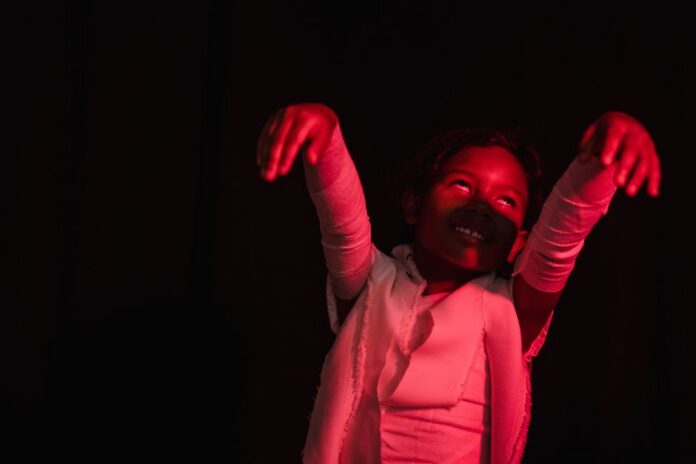
Photo: Mike Jones / Pexels
By Political Watch Newsroom, Entertainment Desk — Published September 17, 2026
Table of Contents
- Key Takeaways
- The Background & Context of Independent Film Festivals
- Why This Matters to American Audiences
- Reactions & Analysis: The State of Independent Film
- What Happens Next for Independent Cinema
- Frequently Asked Questions
A decade of celebrating independent cinema has arrived. The Imagination Lunchbox International Film Festival reaches its 10th anniversary this year, drawing submissions from filmmakers across 17 countries who are competing to showcase their short films on a global stage. What began as a modest platform for emerging voices in entertainment has grown into a significant fixture in the independent film circuit, connecting artists from diverse backgrounds and offering audiences fresh perspectives that rarely make it to mainstream streaming services or traditional movie theaters.
The milestone anniversary represents more than just longevity. It signals the enduring appetite for independent storytelling in an era dominated by big-budget franchises and algorithm-driven content on major streaming platforms. For filmmakers working outside Hollywood’s traditional structures, festivals like Imagination Lunchbox provide crucial exposure and validation—a chance to reach audiences who crave original narratives that challenge pop culture conventions.
According to reports, the 10th annual edition has attracted international interest spanning 17 nations, underscoring the festival’s expanding reach and reputation. Short films from this diverse pool of creators will compete for recognition, offering American audiences a window into stories and cinematic styles they won’t find on their usual TV screens or streaming queues.
Key Takeaways
- The Imagination Lunchbox International Film Festival celebrates its 10th anniversary in 2025, marking a decade of championing independent cinema.
- Filmmakers from 17 different countries have submitted short films for consideration in this year’s competition, reflecting the festival’s growing international profile.
- The festival provides a critical platform for independent voices in entertainment at a time when streaming giants and major studios dominate the market.
- Short film festivals like Imagination Lunchbox serve as talent incubators, often launching careers that eventually influence mainstream movies and TV.
- The anniversary edition highlights the sustained demand for diverse, original storytelling outside conventional pop culture channels.
- American audiences benefit from access to international perspectives and innovative narratives that rarely penetrate domestic entertainment markets.
The Background & Context of Independent Film Festivals
Independent film festivals occupy a unique space in the entertainment ecosystem. They exist outside the commercial pressures that shape what appears in multiplexes or on Netflix’s homepage. For creators, these festivals offer something money can’t always buy: credibility, community, and the chance to be discovered.
The Imagination Lunchbox International Film Festival has spent a decade building that space. While major film festivals like Sundance or Tribeca capture headlines and attract celebrity attendees, smaller festivals perform equally vital work. They create entry points for first-time directors. They celebrate experimental formats that would never survive a studio pitch meeting. They preserve the art of short-form storytelling at a moment when attention spans supposedly shrink by the year.
Short films face particular challenges in today’s market. They don’t fit neatly into theatrical distribution models. Streaming services rarely prioritize them. Yet they remain essential training grounds. Many of today’s acclaimed directors—from Damien Chazelle to Taika Waititi—honed their craft making shorts that played at festivals long before they commanded eight-figure budgets.
The festival’s international scope matters too. American audiences consume entertainment primarily from domestic sources, with occasional blockbusters from the UK or dubbed imports. Festivals that actively court submissions from 17 countries create rare opportunities for cross-cultural exchange. A short film from Nigeria or Poland or Malaysia might explore themes or employ techniques that challenge American filmmakers to think differently about their craft.
The past decade has witnessed seismic shifts in how we consume entertainment. Traditional TV viewership has declined. Streaming services have proliferated and consolidated. Social media platforms have become distribution channels in their own right. Through all this disruption, film festivals have adapted, often adding virtual screening options while maintaining in-person events that foster genuine community among filmmakers and cinephiles.
Why This Matters to American Audiences
At first glance, a film festival’s anniversary might seem like insider news—relevant to industry professionals but distant from everyday concerns. That misses the bigger picture. The health of independent cinema directly affects the quality and diversity of entertainment available to all of us.
Consider what happens when a handful of corporations control most of what we watch. Algorithms optimize for engagement, not artistic merit. Franchises get greenlit because they’re safe bets. Original stories struggle to find funding. The result is a narrowing of perspectives, a homogenization of storytelling that ultimately makes pop culture less interesting and less reflective of our diverse society.
Film festivals counteract this trend. They champion voices that might never otherwise be heard. They take risks on unconventional narratives. They prove that audiences exist for content that doesn’t fit the standard mold. When a short film succeeds at a festival, it can open doors for its creator—leading to feature opportunities, streaming deals, or TV projects that bring fresh perspectives to mainstream entertainment.
The international dimension carries particular significance. American soft power has long been projected through our entertainment exports. But influence should flow both ways. When American audiences engage with films from 17 countries, they encounter different storytelling traditions, different cultural assumptions, different ways of seeing the world. This cultural exchange enriches our own cinema and broadens our understanding of global perspectives.
For taxpayers and citizens, there’s also an economic angle. The film industry supports hundreds of thousands of jobs across the country. Independent cinema serves as a talent pipeline, developing the directors, cinematographers, and writers who will shape entertainment for decades to come. Festivals that nurture this talent contribute to the long-term vitality of an industry that generates billions in economic activity.
Moreover, in an era of deepening political and cultural divisions, shared cultural experiences matter. A compelling film can build empathy, challenge assumptions, or simply remind us of our common humanity. Independent festivals curate these experiences, offering alternatives to the blockbuster monoculture.
Reactions & Analysis: The State of Independent Film
The fact that the Imagination Lunchbox International Film Festival has reached its 10th year speaks to sustained demand for independent content. Many festivals fold within their first few years, unable to secure funding or attract sufficient submissions and audiences. Survival for a decade indicates that organizers have built something durable—a reputation that draws filmmakers and viewers year after year.
The international submission pool from 17 countries reflects broader trends in global cinema. Digital technology has democratized filmmaking. A talented creator with a smartphone and editing software can produce work that rivals productions with far larger budgets. This has led to an explosion of content from regions previously underrepresented in international film circuits.
Industry observers note that short films are experiencing something of a renaissance. Platforms like YouTube and Vimeo provide distribution channels that didn’t exist 20 years ago. Some streaming services have begun experimenting with short-form content to compete with social media. Film festivals remain crucial gatekeepers, offering curatorial judgment that helps quality work rise above the noise.
The timing of this anniversary is notable. The entertainment industry faces significant uncertainty. Streaming services are pulling back from the unlimited-growth mindset that defined the past decade. Studios are reassessing what types of projects make financial sense. Labor disputes have highlighted tensions over how creative professionals are compensated in the digital age. Against this backdrop, independent festivals represent stability—spaces where artistic merit still matters more than quarterly earnings reports.
Critics of the festival circuit sometimes argue that it creates an insular world disconnected from mainstream audiences. There’s some truth to this concern. Films that play well at festivals don’t always translate to commercial success. But this misunderstands the purpose. Festivals exist to take artistic risks, to showcase work that might not have mass appeal but deserves to be seen. They’re laboratories, not factories.
What Happens Next for Independent Cinema
As the Imagination Lunchbox International Film Festival enters its second decade, the landscape it operates within continues to evolve. Several trends will likely shape its future and the broader independent film ecosystem.
First, the line between “festival film” and “streaming content” will probably continue to blur. Major streaming services are increasingly partnering with festivals, acquiring films directly from competitions. This provides filmmakers with distribution and revenue but also raises questions about whether festivals are becoming farm systems for corporate entertainment giants.
Second, technology will keep changing how films are made and viewed. Virtual reality, AI-assisted editing, and new camera technologies are already influencing independent cinema. Future editions of festivals like Imagination Lunchbox may showcase work in formats we can barely imagine today.
Third, the international character of independent film will likely intensify. As production costs fall and distribution barriers lower, we should expect even more diverse submissions. American audiences will have growing access to perspectives from regions historically excluded from global film conversations.
Fourth, the economic model for independent film remains precarious. Most filmmakers don’t make money from shorts. They rely on grants, day jobs, and the hope that festival success will lead to paid opportunities. Sustainable funding mechanisms—whether through public arts support, private patronage, or new distribution models—will determine how many talented creators can afford to keep working.
Finally, the role of festivals as community hubs will remain vital. In an age of isolated streaming, festivals offer something irreplaceable: the experience of watching films with other people, discussing them afterward, meeting the creators. This human dimension can’t be replicated online, no matter how sophisticated the technology becomes.
Frequently Asked Questions
What is the Imagination Lunchbox International Film Festival?
The Imagination Lunchbox International Film Festival is an annual event celebrating short films from independent filmmakers around the world. Now in its 10th year, the festival has grown from a local platform into an international competition drawing submissions from 17 countries. It provides emerging and established filmmakers with opportunities to showcase their work, connect with audiences, and gain recognition within the independent cinema community.
Why do short film festivals matter for the entertainment industry?
Short film festivals serve as crucial talent incubators for the broader entertainment industry. They provide emerging directors, writers, and cinematographers with platforms to develop their craft and gain exposure without the financial pressures of feature-length production. Many acclaimed filmmakers began their careers with shorts that premiered at festivals. These events also preserve space for experimental and diverse storytelling that might not survive in commercial markets dominated by streaming services and major studios.
How does international participation benefit American audiences?
When festivals attract submissions from multiple countries—in this case, 17 nations—American audiences gain access to diverse storytelling traditions and cultural perspectives they rarely encounter through mainstream entertainment channels. This cross-cultural exchange enriches domestic cinema by exposing American filmmakers to different techniques and narrative approaches. It also broadens viewers’ understanding of global issues and experiences, creating empathy and connection across cultural boundaries that pure domestic content cannot provide.
What challenges do independent filmmakers face in today’s market?
Independent filmmakers navigate a complex landscape dominated by major studios and streaming platforms that prioritize commercially safe content and established franchises. Short films face particular difficulties finding distribution and generating revenue. Most creators rely on festival recognition to build reputations that might lead to paid opportunities. Additionally, the proliferation of content online makes it harder for quality work to stand out. Festivals provide essential curatorial functions, helping worthy films find audiences amid the overwhelming volume of available entertainment.
The 10th anniversary of the Imagination Lunchbox International Film Festival is more than a milestone for one organization. It’s a testament to the enduring power of independent storytelling and the communities that sustain it. As the festival showcases work from 17 countries, it reminds us that great stories can come from anywhere—and that platforms willing to champion those stories remain essential to a vibrant, diverse entertainment landscape.