Photo: Quang Vuong / Pexels
By Political Watch Newsroom, Entertainment Desk — Published September 20, 2026
Table of Contents
- Key Takeaways
- The Background & Context
- Why This Matters
- Reactions & Analysis
- What Happens Next
- Frequently Asked Questions
American presidents have long understood a fundamental truth about political power: to lead the nation, you must first capture its attention. From the earliest days of television to today’s streaming platforms, commanders-in-chief have recognized that the boundary between politics and entertainment is porous, exploitable, and essential to master. The way presidents used culture as a strategic tool has evolved dramatically over the decades, transforming from simple radio addresses into sophisticated multimedia campaigns that blur the line between governing and performing.
This relationship between the Oval Office and popular culture represents more than mere celebrity-chasing. It reflects a calculated understanding that Americans increasingly consume their news, form their opinions, and shape their political identities through entertainment media. Whether appearing on late-night talk shows, referencing blockbuster movies in speeches, or cultivating carefully managed social media personas, modern presidents operate in an environment where cultural relevance often matters as much as policy competence.
The stakes are higher than ever. In an era of fractured media landscapes and declining trust in traditional institutions, a president’s ability to connect through pop culture channels can determine legislative success, public approval ratings, and ultimately, electoral outcomes. Understanding this history reveals not just how presidents have adapted to changing media, but how the very nature of presidential leadership has been reshaped by entertainment culture.
Key Takeaways
- Presidents have strategically leveraged entertainment media and pop culture to build public support, communicate policy goals, and shape their political brands throughout American history.
- The evolution from radio to television to streaming platforms has fundamentally altered how presidents must present themselves and their messages to reach diverse audiences.
- Cultural engagement serves multiple presidential purposes: humanizing the office, bypassing traditional media gatekeepers, and connecting with younger or politically disengaged voters.
- The intersection of presidential politics and entertainment raises questions about substance versus style, and whether cultural savvy enhances or diminishes democratic governance.
- Modern presidents face unique challenges in managing their cultural presence across traditional and digital platforms while maintaining the dignity and authority of their office.
- The effectiveness of pop culture engagement varies widely depending on authenticity, timing, and whether it aligns with or distracts from a president’s core policy agenda.
The Background & Context
The relationship between American presidents and popular culture predates modern media by generations. Early presidents understood the power of public image, carefully cultivating personas through portraits, political cartoons, and public appearances. But the twentieth century accelerated this dynamic exponentially.
Franklin Roosevelt pioneered the use of radio with his fireside chats, bringing presidential communication directly into American living rooms with an intimacy previously impossible. His warm, conversational tone transformed how citizens experienced their president. The medium was entertainment technology; Roosevelt made it a governing tool.
Television changed everything. John F. Kennedy’s telegenic appeal during the 1960 debates demonstrated that visual presentation could matter as much as policy substance. Kennedy’s administration cultivated connections with Hollywood, understanding that association with glamorous figures enhanced presidential appeal. His widow’s televised tour of the White House drew 56 million viewers, cementing the presidency’s place in American entertainment culture.
Ronald Reagan, a former Hollywood actor, represented the full merger of entertainment and politics. He spoke fluently in the language of movies, referencing films in speeches and understanding instinctively how to perform for cameras. His administration demonstrated that entertainment experience could be a qualification rather than a liability for the presidency.
Bill Clinton appeared on MTV and played saxophone on late-night television, reaching younger voters through entertainment venues that previous presidents had avoided. His appearances signaled that cultural engagement was no longer optional for modern presidents—it was essential for political survival.
Barack Obama took this evolution further, appearing on comedy shows, creating Spotify playlists, and using social media to project a culturally sophisticated image. His administration understood that in a fragmented media environment, presidents must meet voters where they already are: consuming entertainment content.
Why This Matters
The presidential embrace of pop culture carries profound implications for American democracy and civic life. When presidents prioritize entertainment media appearances, they gain direct access to audiences who might never watch a traditional press conference or read policy white papers. This democratizes presidential communication in some ways, making the office more accessible to ordinary citizens.
But this shift also raises concerns about the trivialization of serious governance. When presidential success depends partly on cultural coolness or entertainment value, does policy expertise become secondary? Critics worry that the entertainment-ification of the presidency rewards performance over competence, style over substance.
For voters, this matters because it shapes how they receive information about their leaders and make electoral decisions. A president who masters pop culture can control narratives, deflect criticism, and maintain popularity even amid policy failures. Conversely, a president who seems culturally out-of-touch may struggle to connect with key demographics regardless of policy achievements.
The financial implications are significant too. Presidential campaigns now budget substantial resources for entertainment media strategies, social media management, and cultural positioning. Taxpayers indirectly fund these efforts when presidents use official platforms and staff time for culturally-focused communications.
The phenomenon also affects how young Americans understand political leadership. When presidents are primarily experienced through entertainment media rather than traditional political channels, it shapes expectations about what presidents should do and how they should behave. This generational shift in political consciousness will influence American democracy for decades.
Reactions & Analysis
Scholars and political observers have offered mixed assessments of presidential pop culture engagement. Some analysts argue that cultural fluency represents necessary adaptation to changing media environments. Presidents who refuse to engage with entertainment culture risk irrelevance, particularly among younger voters who consume news primarily through social media and comedy shows.
Other commentators express concern about what this trend reveals about American political culture. When presidential legitimacy depends partly on entertainment value, it may reflect declining civic engagement and political literacy. The concern extends beyond individual presidents to the health of democratic institutions more broadly.
Media critics note that entertainment appearances allow presidents to avoid tough questioning from journalists, instead facing friendly hosts and softball questions. This shift in presidential accountability represents a significant change in how democratic oversight functions. Traditional press conferences have declined as presidents find more comfortable venues for public communication.
Political strategists across parties acknowledge that pop culture engagement is now mandatory for electoral success. Campaign managers study which entertainment platforms reach target demographics most effectively. The professionalization of this aspect of politics has created entire industries devoted to managing political figures’ cultural presence.
Constitutional scholars debate whether these changes affect the formal powers and responsibilities of the presidency. While pop culture engagement doesn’t alter constitutional authorities, it does reshape how presidents exercise power and maintain public support necessary for political effectiveness.
What Happens Next
The trajectory seems clear: presidential engagement with pop culture will only intensify as media landscapes continue fragmenting. Streaming platforms, podcasts, and emerging social media channels create ever more venues where presidents must establish presence to remain culturally relevant.
Future presidents will likely need even more sophisticated cultural strategies. Authenticity will become harder to maintain as audiences grow savvier about manufactured personas. Presidents who seem to be cynically exploiting pop culture rather than genuinely engaging with it may face backlash.
Technology will enable new forms of presidential cultural engagement. Virtual reality, artificial intelligence, and platforms not yet invented will create opportunities and challenges for future administrations. The core dynamic—presidents seeking to connect with citizens through entertainment culture—will persist even as specific technologies evolve.
Regulatory questions may emerge about appropriate boundaries for presidential entertainment activities. Should there be limits on how much official time presidents devote to cultural engagement versus traditional governing responsibilities? These debates will likely intensify as the lines continue blurring.
Educational institutions and civic organizations face challenges in helping citizens navigate this environment. Teaching media literacy and critical thinking about presidential communications becomes more important when those communications arrive through entertainment channels designed to entertain rather than inform.
Frequently Asked Questions
Why do presidents appear on entertainment shows instead of focusing solely on traditional political media?
Presidents appear on entertainment programs because these venues reach large audiences who might not watch traditional political coverage. Entertainment shows allow presidents to appear more relatable and human while communicating messages to demographics, particularly younger voters, who consume news primarily through non-traditional channels. These appearances also let presidents bypass critical journalism and control their message in friendlier environments.
Does presidential engagement with pop culture undermine the dignity of the office?
This question generates debate among political observers. Supporters argue that cultural engagement makes the presidency more accessible and democratic, connecting with ordinary citizens in authentic ways. Critics contend that excessive focus on entertainment trivializes serious governance and reduces presidential authority. The answer often depends on execution—whether cultural engagement seems genuine and strategic or desperate and undignified.
How has social media changed presidential use of pop culture?
Social media has dramatically accelerated and personalized presidential cultural engagement. Presidents can now communicate directly with citizens without media intermediaries, share cultural content instantly, and participate in real-time cultural conversations. This creates opportunities for authentic connection but also risks, as unfiltered presidential communications can generate controversy. Social media has made cultural fluency essentially mandatory for modern presidential success.
Are there historical precedents for presidents using popular culture politically?
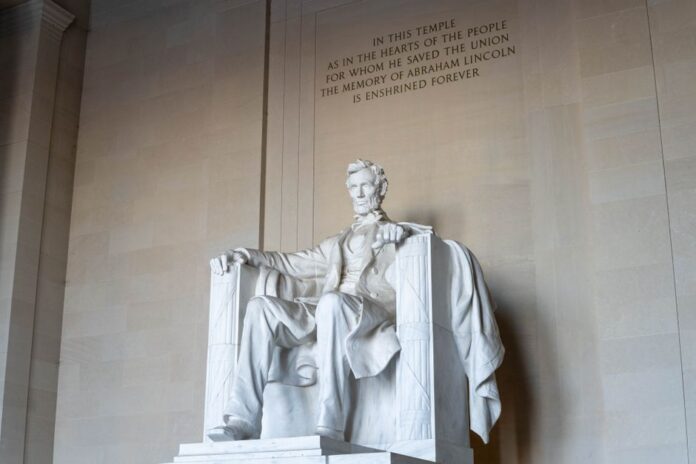
Yes, presidents have always used available cultural tools to build public support. Abraham Lincoln understood the power of photography and carefully managed his image. Theodore Roosevelt mastered newspaper coverage and public spectacle. Franklin Roosevelt pioneered radio communication. Each generation of presidents has adapted to dominant cultural media of their era. What has changed is the speed, scope, and sophistication of these cultural strategies in the modern entertainment age.
As Americans continue navigating an increasingly complex media environment, understanding how presidents use culture strategically becomes essential civic knowledge. The entertainment presidency is here to stay, for better or worse, reshaping not just how we experience political leadership but what we expect from it. The question facing citizens is whether this evolution strengthens democratic connection or weakens substantive governance—an answer each generation must determine for itself.