Real-Time Reporting: How Journalists Cover Unfolding Events
By Newsroom, Breaking News Desk — Published August 11, 2026
Table of Contents
- The Mechanics of Real Time Reporting in Action
- The Verification Challenge During Live Updates Now
- Tools and Workflows That Enable Rapid Response Journalism
- Ethical Boundaries in Time-Sensitive News Alerts
- When the Story Shifts: Corrections and Updates in Real-Time News
- Frequently Asked Questions
When a wildfire jumps containment lines, when a city council abruptly suspends a controversial vote, when an industrial accident sends workers to the hospital—these moments demand a specific kind of journalism. Real time reporting is the craft of documenting events as they happen, often before the full picture emerges. It’s a discipline that requires speed, accuracy, and the humility to acknowledge what remains unknown even as you publish what’s confirmed.
This form of journalism has always existed—newspapers once issued multiple editions throughout a single day to capture breaking news today. But digital platforms have accelerated the cycle dramatically. Reporters now file updates measured in minutes rather than hours, balancing the public’s appetite for immediate information against the journalist’s obligation to verify facts before broadcasting them.
The Mechanics of Real Time Reporting in Action
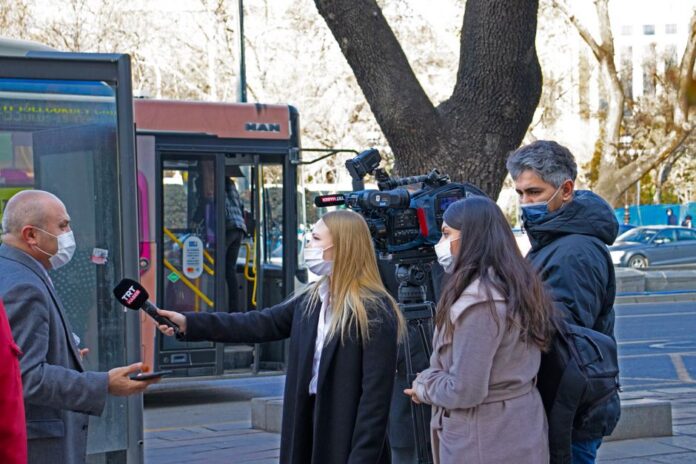
Covering a developing story begins with establishing what’s verifiable. A reporter monitoring police scanners hears chatter about a multi-vehicle collision on a highway. That’s a starting point, not a story. The journalist must confirm the incident through official channels—a police department spokesperson, a transportation agency, hospital administrators who can speak without violating privacy laws.
The first update might be sparse: location, approximate time, confirmation that emergency responders are on scene. Readers see this as a just in news alert. What they don’t see is the reporter simultaneously working phones to reach additional sources, checking traffic camera feeds if publicly available, and monitoring whether the incident affects school bus routes or evacuation corridors.
As information accumulates, the story grows in layers. Initial coverage focuses on immediate facts: what happened, where, and what authorities are doing right now. Later updates add context—road closure durations, whether hazardous materials are involved, how the incident compares to recent safety patterns on that stretch of road. Each update carries a timestamp, signaling to readers that this is happening now coverage, still in motion.
The Verification Challenge During Live Updates Now
Speed creates pressure, and pressure breeds mistakes. During any urgent news update, journalists face a fundamental tension: the public needs information quickly, but inaccurate information can cause panic, misdirect emergency resources, or unfairly damage reputations.
Newsrooms develop protocols to manage this risk. Many require dual-sourcing for any factual claim in an immediate news report—two independent, credible sources confirming the same information before it goes live. Some facts carry lower risk: the street where an incident occurred, the time emergency calls began. Others demand extra caution: casualty counts, names of individuals involved, causes of an event.
Social media complicates verification. A bystander’s video might show smoke billowing from a building, but the person posting it may misidentify the location or speculate about causes without evidence. Journalists must authenticate such material—confirming the video is recent, unaltered, and depicts what it claims to show—before incorporating it into coverage. The work is painstaking during moments when every competitor is racing to post the latest breaking headlines.
Reputable news organizations label uncertainty explicitly. Phrases like “authorities have not confirmed” or “the cause remains under investigation” aren’t hedging—they’re accuracy. A reporter covering an emergency response doesn’t claim to know what firefighters will find inside a burning structure. Responsible real-time news alerts distinguish between what’s established and what’s still emerging.
Tools and Workflows That Enable Rapid Response Journalism
Technology shapes how reporters execute this work. Newsrooms monitor multiple streams simultaneously:
- Police and fire scanners that broadcast dispatch communications
- Official social media accounts from government agencies and public safety departments
- Wire services that aggregate reports from multiple jurisdictions
- Reader tips submitted through hotlines, text services, or email
- Automated alerts tied to seismic monitors, weather stations, or air quality sensors
A single reporter often can’t track all these feeds while also making calls and writing. Larger newsrooms assign roles: one journalist monitors incoming information, another works sources, a third writes and updates the public-facing story. Smaller outlets rely on individual reporters to juggle these tasks, which increases both workload and the chance something gets missed.
Publishing platforms have evolved to support continuous updates. A story about a developing story doesn’t get rewritten from scratch each time new facts emerge. Instead, reporters add timestamped sections at the top, pushing older information down the page. Readers who return to the story see what’s changed since their last visit. Push notifications alert audiences when significant new details warrant their attention, turning passive readers into active followers of an unfolding situation.
Ethical Boundaries in Time-Sensitive News Alerts
Not every fact worth knowing is worth publishing immediately. Journalists covering a crisis make judgment calls about what information serves the public and what might cause harm.
Consider a barricaded suspect situation. Police have sealed off several blocks and are attempting to negotiate. Reporters on scene can observe tactical positions—where officers have stationed themselves, which windows have sight lines into the building. Publishing those details in a flash report could give the suspect information that endangers officers. Most news organizations withhold such specifics until the standoff ends, even though competitors might be posting constant updates.
Similarly, names of individuals involved in traumatic events often get held back until families have been notified. A fatal traffic accident might be confirmed and located, but identifying victims before their relatives know serves no public purpose and inflicts private cruelty.
Graphic content poses another boundary question. Video of an emergency response might show injured people. Does publishing that footage add meaningful information, or does it simply exploit suffering for clicks? Different newsrooms draw different lines, but the question itself is constant in real-time coverage.
When the Story Shifts: Corrections and Updates in Real-Time News
Errors happen despite protocols. An early report might state that a building evacuation involved an elementary school, when in fact it was a daycare center next door. The mistake seems minor until parents across a district start panicking about whether their children are safe.
Corrections in real-time journalism must be immediate and prominent. A note appended to the bottom of a story hours later doesn’t reach the audience that saw the initial error. News organizations that take accuracy seriously place correction notices at the top of the story, explain what was wrong and what’s now confirmed, and push a new alert clarifying the error.
This transparency builds credibility over time. Readers understand that initial coverage of chaotic events will be incomplete. What they can’t tolerate is newsrooms that hide mistakes or fail to acknowledge when earlier reporting missed the mark.
Frequently Asked Questions
How do journalists verify information when events are unfolding quickly?
Verification during rapid response journalism relies on trusted sources with direct knowledge—official spokespersons, agency statements, and eyewitnesses whose accounts can be corroborated. Reporters cross-check claims against multiple independent sources and clearly label anything that remains unconfirmed. When uncertainty exists, responsible coverage states that explicitly rather than presenting speculation as fact.
What’s the difference between breaking news and real-time reporting?
Breaking news refers to any significant event that just occurred or came to light. Real-time reporting describes the ongoing coverage of an event as it continues to develop. A plane makes an emergency landing—that’s breaking news. The subsequent hour of coverage as investigators arrive, passengers are interviewed, and the airline issues statements—that’s real-time reporting. The distinction matters because real-time work requires sustained attention and continuous updating, not just an initial alert.
Why do initial reports sometimes contain errors that get corrected later?
Early information in chaotic situations is often incomplete or secondhand. A witness might miscount the number of vehicles involved in a crash. An initial police statement might be based on preliminary observations that change as responders assess the full scene. Journalists work to minimize errors through verification, but publishing what’s known—with appropriate caveats about what remains unclear—serves readers better than waiting hours for complete certainty while an event affects public safety or community operations.
How do news organizations decide when to send alerts about developing stories?
Alert decisions weigh significance, immediacy, and audience impact. A water main break that closes a major commuter route warrants an alert because it affects many people’s immediate plans. A city budget hearing, even if contentious, typically doesn’t require push notifications. Most newsrooms have thresholds: events involving public safety, widespread service disruptions, or major policy developments clear the bar. Overusing alerts trains audiences to ignore them, so editors err toward restraint.
The craft of covering events as they happen will continue evolving as technology changes and audience expectations shift. What remains constant is the core challenge: delivering timely, accurate information about situations where facts are still emerging and the stakes are often high. Done well, real-time reporting serves communities by keeping people informed when they need it most. Done carelessly, it spreads confusion at moments when clarity matters desperately. The journalists who master this work understand that speed is valuable only when accuracy comes with it.