
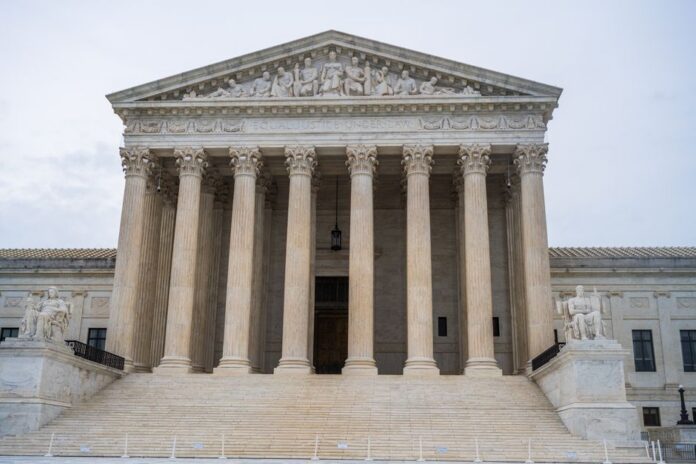
Photo: Guohua Song / Pexels
By Political Watch Newsroom, National Desk — Published September 9, 2026
Table of Contents
- Key Takeaways
- The Background & Context
- Why This Matters
- Reactions & Analysis
- What Happens Next
- Frequently Asked Questions
The Supreme Court has allowed construction on a controversial White House ballroom project to proceed, at least temporarily, in a decision that gives President Trump a short-term victory in what has become a legal battle over executive authority and congressional oversight. The high court’s action means workers can continue building the massive event space on White House grounds while litigation plays out in lower courts.
The decision arrives at a moment when questions about presidential power and the limits of executive action remain front and center in American political discourse. While the order itself is brief and procedural, it carries significant weight for how federal building projects—especially those touching the presidency—navigate legal challenges.
According to multiple reports, the Supreme Court’s move effectively pauses a lower court ruling that would have halted the ballroom construction. The project has drawn scrutiny from lawmakers and watchdog groups who question both the cost and the approval process for such a substantial addition to the White House complex.
Key Takeaways
- The Supreme Court issued an order allowing the White House ballroom construction to continue while legal challenges proceed through the court system.
- The decision represents a temporary win for the Trump administration in an ongoing dispute over the project’s legality and oversight.
- Lower courts had previously issued rulings that raised questions about whether the construction could proceed without additional congressional approval or environmental review.
- The ballroom project has become a flashpoint in broader debates about executive authority, government spending, and transparency in federal construction projects.
- The Supreme Court’s action does not resolve the underlying legal questions; it merely allows work to continue during the appeals process.
- Critics argue the project represents an inappropriate use of federal resources, while supporters contend the White House needs updated facilities for diplomatic and ceremonial functions.
The Background & Context
The White House ballroom project has been in the works for some time, though details about its scope, cost, and necessity have remained subjects of intense debate. The proposed facility would add significant event space to the White House complex, ostensibly to accommodate large-scale diplomatic receptions, state dinners, and other ceremonial functions that currently strain the capacity of existing rooms.
Presidential residences have historically evolved to meet the needs of modern governance. The White House itself has undergone numerous renovations and expansions since its original construction. But this project stands apart in both scale and controversy.
Legal challenges emerged from multiple quarters. Some lawmakers questioned whether such a substantial construction project required explicit congressional authorization, particularly given the significant taxpayer expense involved. Environmental groups raised concerns about whether proper reviews had been conducted. Government ethics watchdogs asked whether the project served genuine governmental needs or personal preferences.
Lower federal courts had issued mixed rulings. At least one court expressed skepticism about the administration’s authority to proceed without additional oversight. That ruling threatened to halt construction entirely, prompting the administration to seek emergency relief from the Supreme Court.
The high court’s intervention doesn’t settle these questions. Instead, it maintains the status quo while allowing the legal process to unfold. Such procedural orders are common when the Court believes stopping a project mid-construction could cause more harm than allowing it to continue during litigation.
Why This Matters
For American taxpayers, this case raises fundamental questions about how their money gets spent and who gets to decide. Federal construction projects, especially those involving iconic national buildings, carry symbolic weight beyond their practical function. The White House belongs to the American people, not to any individual president, making decisions about its modification particularly sensitive.
The case also tests the boundaries of executive power. Can a president authorize major construction projects on executive branch property without explicit congressional approval? Where does legitimate presidential authority to maintain and improve government facilities end, and where does congressional power of the purse begin?
These aren’t abstract legal questions. They affect how government operates and who holds accountability. When courts defer to executive authority, they shift the balance of power. When they impose restrictions, they reassert congressional and judicial oversight.
The timing matters too. With national debt and government spending under constant scrutiny, large-scale construction projects face heightened examination. Citizens want assurance that federal building projects serve genuine public needs rather than personal or political preferences.
Environmental considerations add another layer. Federal projects typically undergo environmental review to assess impacts on surrounding areas, historical preservation, and ecological concerns. Shortcuts in this process set precedents that could affect how future projects get evaluated.
Reactions & Analysis
The Supreme Court’s decision has generated predictable partisan responses, though the legal community views it primarily as a procedural matter rather than a substantive ruling on the merits.
Congressional critics of the project expressed disappointment that construction would continue without what they view as proper authorization. Some lawmakers have called for hearings to examine how the project was approved and whether existing oversight mechanisms proved adequate.
Government accountability organizations noted that the Supreme Court’s order doesn’t validate the project—it simply declines to halt it during litigation. These groups emphasize that important legal questions remain unresolved and will ultimately require answers from the courts.
Legal scholars point out that the Supreme Court frequently allows ongoing activities to continue when halting them would create irreversible consequences. Construction projects present unique challenges: stopping work midstream can waste resources already invested and create practical complications. Courts often prefer to let projects proceed while legal questions get sorted out, then impose remedies if violations are found.
Supporters of the administration argue that the White House genuinely needs updated facilities. They contend that diplomatic functions have outgrown existing spaces and that a modern ballroom would better serve America’s role on the world stage. From this perspective, the Supreme Court simply recognized the practical reality that construction delays serve no one’s interests.
What Happens Next
The legal battle is far from over. Lower courts must still rule on the underlying questions about congressional authority, environmental compliance, and proper approval processes. Those decisions could ultimately return to the Supreme Court for final resolution.
If courts eventually rule against the administration, remedies become complicated. A completed or partially completed ballroom can’t easily be erased. Courts might impose financial penalties, require additional oversight for future projects, or mandate changes to approval processes rather than ordering demolition.
Congress retains its own tools. Lawmakers could pass legislation explicitly addressing presidential authority over White House construction projects. They could withhold funding for completion or future maintenance. They could demand detailed accounting of costs and decision-making processes.
The case also sets precedents that will influence future disputes about executive authority and federal construction. How courts resolve questions here will guide how similar controversies get handled in subsequent administrations, regardless of party.
Public attention may wane as the legal process grinds forward through appeals and procedural motions. But the fundamental questions—about power, accountability, and how decisions get made in a democracy—persist beyond any single project or presidency.
Frequently Asked Questions
What exactly did the Supreme Court decide?
The Supreme Court issued an order allowing construction on the White House ballroom to continue while legal challenges proceed through lower courts. This is a procedural decision that maintains the status quo during litigation, not a final ruling on whether the project is legal or properly authorized. The underlying legal questions remain unresolved.
Why is the ballroom project controversial?
The project has drawn criticism on multiple fronts. Some lawmakers question whether the administration has authority to undertake such a large construction project without explicit congressional approval. Others raise concerns about cost, environmental review, and whether the project serves genuine governmental needs. The controversy reflects broader tensions about executive power and government spending accountability.
Can Congress stop the construction?
Congress has several potential tools to influence or halt the project. Lawmakers could pass legislation restricting the construction, withhold funding, or conduct oversight hearings to examine the approval process. However, these actions require political will and often face practical limitations, especially when one party controls both Congress and the White House.
What happens if courts ultimately rule against the project?
If courts eventually determine the construction violated legal requirements, remedies become complicated. A completed building cannot easily be demolished. Courts might impose financial penalties, require changes to approval processes for future projects, or mandate additional oversight. The specific remedy would depend on what legal violations, if any, courts identify.
As construction continues and legal arguments unfold, the White House ballroom case serves as a reminder that even procedural court decisions carry weight in shaping how government operates. The outcome will influence not just this particular building project, but how future administrations navigate the complex intersection of executive authority, congressional oversight, and public accountability in managing the people’s house.