
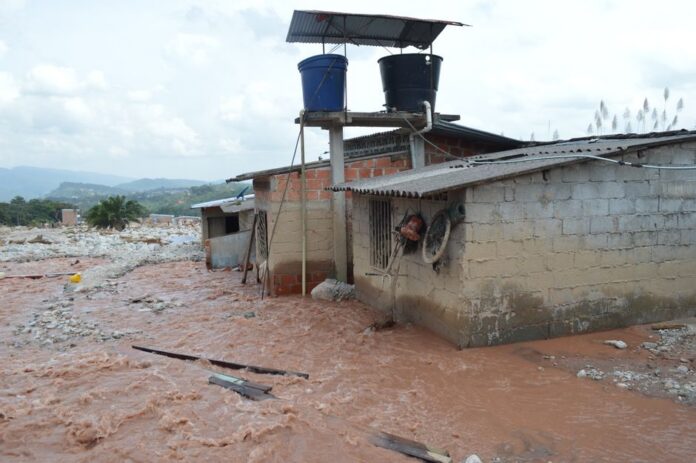
Flash Flooding Response: What to Do When Waters Rise
By Newsroom, Breaking News Desk — Published August 25, 2026
Table of Contents
- Understanding Flash Flooding Response: Why Speed Matters
- Before the Deluge: Preparing Your Flash Flooding Response Plan
- When Waters Rise: Immediate Actions That Save Lives
- After the Initial Surge: Navigating the Aftermath
- Frequently Asked Questions
Flash flooding response demands immediate action. Unlike slow-rising river floods that provide days of warning, flash floods strike with brutal speed—sometimes within minutes of the first raindrop. Whether triggered by intense thunderstorms, dam failures, or rapid snowmelt, these surges transform dry streambeds into raging torrents and turn neighborhood streets into deadly channels. Understanding how to respond when waters rise isn’t just useful information for emergency planners. It’s survival knowledge every person needs, because flash floods kill more people annually than tornadoes, hurricanes, or lightning.
The challenge lies in the narrow window between recognition and danger. By the time you see water rushing toward your home or vehicle, you may have only seconds to make life-or-death decisions. That’s why effective flash flooding response begins long before the first developing story hits your phone—with preparation, awareness, and a clear mental script of what to do when happening now coverage turns into a real-time crisis at your doorstep.
Understanding Flash Flooding Response: Why Speed Matters
Flash floods earn their name through velocity. A wall of water can appear with almost no warning, especially in urban areas where concrete and asphalt prevent ground absorption and funnel runoff into overwhelming volumes. Six inches of moving water can knock an adult off their feet. Two feet will float most vehicles, including SUVs. Six feet can sweep away houses.
The National Weather Service issues flash flood warnings as urgent news updates when conditions indicate imminent danger, but the system has limitations. Radar can’t always predict exactly where the heaviest rainfall will concentrate. Terrain features—narrow canyons, steep slopes, burn scars from recent wildfires—can amplify flooding in ways that don’t show up on standard weather models. By the time emergency response teams confirm flooding and issue immediate news reports, the event may already be underway.
This reality places responsibility squarely on individuals. Official alerts serve as critical tools, but personal situational awareness forms the first line of defense. When heavy rain begins, you become your own early warning system.
Before the Deluge: Preparing Your Flash Flooding Response Plan
Effective response starts with preparation during calm weather. Know whether you live, work, or regularly travel through flood-prone areas. Local emergency management offices maintain flood maps showing historical problem zones. Low-lying areas near streams, roads that dip through culverts, and neighborhoods downstream from dams all carry elevated risk.
Create multiple evacuation routes from your home and workplace. Identify high ground you can reach quickly on foot—a crucial backup if roads flood before you can drive out. Store emergency supplies where you can grab them in seconds: flashlight, phone charger, important documents in waterproof containers, medication, water, and non-perishable food.
Establish communication plans with family members. Cell towers often fail during severe weather. Designate an out-of-state contact everyone can check in with, since long-distance calls sometimes work when local networks are overwhelmed. Agree on meeting points if you’re separated.
Install weather alert apps that push real-time news alerts to your phone based on your precise location. Enable emergency broadcast notifications. These systems aren’t perfect, but they provide critical seconds or minutes of warning that can make the difference.
When Waters Rise: Immediate Actions That Save Lives
The moment you receive a flash flood warning or notice rapidly rising water, act. Don’t wait to see how bad it gets. Don’t try to move vehicles to higher ground if water is already flowing in streets. Don’t attempt to retrieve belongings from basements or lower floors.
If you’re indoors, move immediately to the highest floor. Avoid basements and ground-level rooms. If floodwater enters your home, get to the roof if necessary, but only if you can do so safely. Bring something to signal rescuers—a bright cloth, flashlight, or whistle.
If you’re in a vehicle when flash flooding begins, the rules are absolute and non-negotiable:
- Never drive through flooded roadways, even if the water looks shallow—depth is impossible to judge, and roadways may have washed out beneath the surface
- If water begins rising around a stopped vehicle, abandon it immediately and move to higher ground on foot
- If swept into floodwater while in a vehicle, exit immediately if possible; vehicles become death traps in moving water
- Turn around at barricades and “road closed” signs—they’re placed by emergency responders who know conditions, not bureaucrats trying to inconvenience you
Outdoor recreation areas present particular dangers. Hikers in canyons, campers near streams, and anyone in low-lying terrain should evacuate at the first sign of heavy rain upstream, even if skies are clear overhead. Flash floods in narrow canyons have killed people under blue skies, triggered by storms miles away.
After the Initial Surge: Navigating the Aftermath
Once immediate danger passes, new hazards emerge. Floodwater carries sewage, chemicals, and debris. It undermines roads and structures that appear intact. Electrical systems in flooded buildings pose electrocution risks.
Don’t return to a flooded building until authorities declare it safe. When you do enter, document damage with photos for insurance claims before cleaning up. Wear protective gear—boots, gloves, masks—when handling anything touched by floodwater. Discard food, medications, and cosmetics that contacted flood water, even if packaging appears sealed.
Watch for continued weather developments. Flash flooding often occurs in waves as successive storm cells move through the same area. What emergency responders call “training” storms—thunderstorms that follow the same path like train cars on a track—can produce multiple flooding pulses hours apart.
Stay informed through developing story coverage from local news and emergency management. Road closures, evacuation orders, and shelter locations change as situations evolve. Real-time updates help you make informed decisions about when and where to move.
Frequently Asked Questions
How much warning do you typically get before a flash flood?
Flash floods can develop in as little as three to six hours from the start of heavy rainfall, and sometimes much faster—within minutes in urban areas or steep terrain. The National Weather Service issues flash flood warnings when flooding is imminent or already occurring, typically providing anywhere from a few minutes to an hour of advance notice. This is why preparation and immediate response to warnings are so critical—you often won’t have time to deliberate.
Is it safe to walk through floodwater?
No. Six inches of moving water can sweep an adult off their feet, and even shallow standing water poses dangers. You can’t see what’s beneath the surface—sharp debris, downed power lines, sudden drop-offs, or open manholes. Floodwater also contains sewage, chemicals, and bacteria that cause serious illness through skin contact or ingestion. If you must escape rising water on foot, move perpendicular to the flow toward higher ground, and use a stick to check depth and footing ahead of each step.
Should I try to drive through a flooded road if I have a large vehicle?
Absolutely not. This misconception kills dozens of people every year. Two feet of water will float most vehicles, including trucks and SUVs. Moving water exerts enormous force—a mere foot of rushing water can sweep a vehicle off the road. Roads submerged under floodwater may have washed out completely beneath the surface, creating invisible drop-offs. The National Weather Service’s “Turn Around Don’t Drown” campaign exists because driver overconfidence in flooded conditions is the leading cause of flood-related deaths.
What’s the difference between a flash flood watch and a flash flood warning?
A flash flood watch means conditions are favorable for flash flooding—heavy rain is possible, and you should prepare to act. A flash flood warning means flash flooding is imminent or already occurring in your area—this is a call to take immediate action. Think of a watch as “be ready” and a warning as “act now.” When a warning is issued, you should already be moving to safety, not gathering supplies or making plans. The warning represents emergency responders telling you the danger is here.
Flash flooding demands respect and rapid response. The water doesn’t care about your plans, your property, or your schedule. What it does care about—in the physics sense—is gravity, volume, and momentum. Your flash flooding response plan gives you the one advantage floodwater doesn’t have: the ability to think ahead and act decisively before the current makes those decisions for you. Preparation today creates the muscle memory that saves lives when real-time news alerts turn into rushing water outside your door.



