
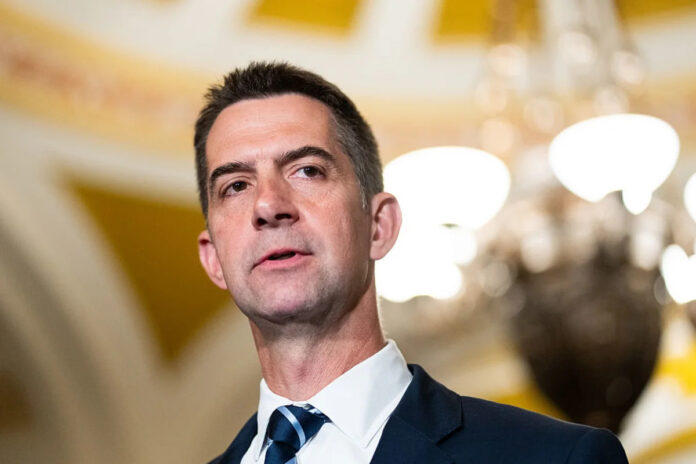
President Donald Trump is urging Congress to eliminate the twice-yearly clock change, but Senate Majority Leader John Thune says there is no consensus among senators to advance the measure, leaving the biannual ritual in place despite widespread public opposition.
House Passes Bill, Senate Stalls
The House approved the Sunshine Protection Act in July with bipartisan support, legislation that would make Daylight Saving Time permanent nationwide while allowing states to opt out. Trump has repeatedly called on Congress to pass the bill and end the practice of changing clocks twice a year. Senate Majority Leader John Thune told reporters this week that despite the President’s strong position, the upper chamber lacks agreement on moving forward with the legislation.

The measure faces an uncertain future as senators remain divided on whether to lock the nation into year-round Daylight Saving Time or maintain the current system. With less than a month until Americans fall back an hour again, the stalemate means the clock-changing routine will continue for now.
Americans Oppose Current System
Polling from the Associated Press shows 47 percent of Americans oppose the biannual clock change, compared to just 12 percent who support it. The public favors permanent Daylight Saving Time over permanent Standard Time by 56 percent to 42 percent. Currently, federal law permits states to stay on Standard Time year-round, which Hawaii and most of Arizona have done, but states cannot choose permanent Daylight Saving Time without congressional action.
Florida Senator Rick Scott, a leading supporter of the legislation, argues the current practice is an unnecessary annoyance to families. He contends that permanent Daylight Saving Time would give Americans more evening sunlight for outdoor activities with their families. Scott said Wednesday that Americans deserve more free time to enjoy the outdoors after working hard all day.
What This Means
The Senate roadblock highlights how even popular proposals can stall in Washington despite presidential backing and public support. While Trump continues pushing for the change and the House has acted, the lack of Senate consensus keeps the status quo intact. Americans will set their clocks back in November as they have for decades, waiting to see whether lawmakers can eventually find common ground on this issue that affects daily life across the nation.