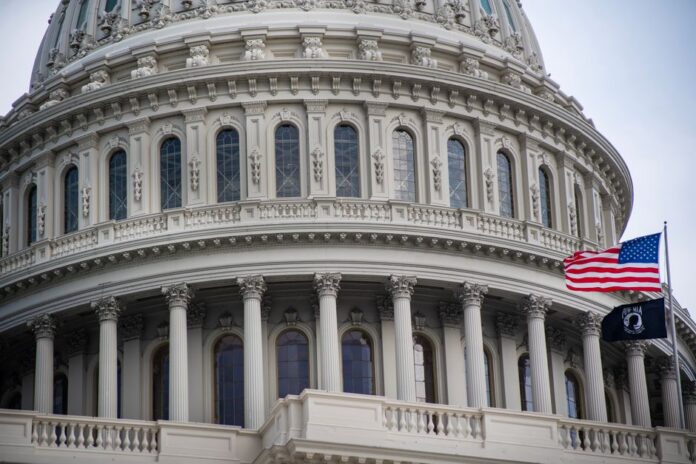
The Senate confirmed Keith Sonderling as labor secretary in a 47-41 party-line vote, filling the position just as lawmakers departed Washington for the October campaign season ahead of midterm elections.
From Legal Practice to Leadership
Sonderling brings extensive experience to the role, having served in multiple capacities at both the Department of Labor and the Equal Employment Opportunity Commission during President Trump’s first term. Before entering public service, he practiced employment and labor law at a Florida-based law firm, developing expertise in workplace regulations and employment disputes that will inform his new leadership position.
The confirmation vote took place on Wednesday, marking the final Senate action before members returned to their home states to campaign. The party-line nature of the vote reflects the deep divisions in Washington over labor policy and executive branch appointments as the nation approaches November’s critical midterm contests.
Turbulent Transition at Department
Sonderling assumes control of the Labor Department amid serious questions about workplace conditions within the agency itself. The department’s inspector general released a comprehensive 44-page report earlier in October documenting what investigators described as a toxic, intimidating, and humiliating work environment under former Secretary Chavez-DeRemer. The report accused Chavez-DeRemer of multiple policy violations during her tenure.
The inspector general’s investigation mentioned Sonderling in one section, noting that Chavez-DeRemer and her chief of staff developed distrust toward him. However, he did not feature prominently in the findings regarding the problematic workplace culture that investigators uncovered.
What This Means
The new labor secretary faces the challenge of restoring confidence in department operations while managing critical workforce issues affecting millions of Americans. His confirmation provides continuity in labor policy approach, given his previous service in the Trump administration. The department oversees workplace safety, wage regulations, unemployment benefits, and enforcement of labor standards across the country. Sonderling will need to address both external policy challenges and internal cultural concerns as he takes the helm of this vital federal agency.