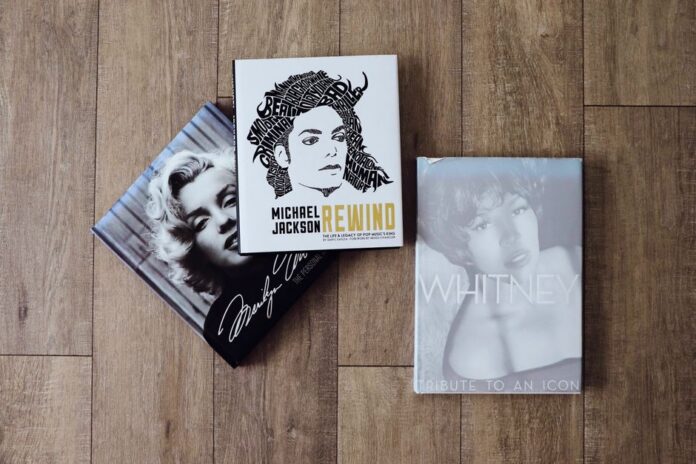
Photo: Designecologist / Pexels
By Political Watch Newsroom, Entertainment Desk — Published September 2, 2026
Table of Contents
- Key Takeaways
- The Background & Context
- Why This Matters
- Reactions & Analysis
- What Happens Next
- Frequently Asked Questions
The intersection of celebrity worship and cultural identity has rarely been more complicated than in the case of Michael Jackson. This cultural critique of Michael Jackson and the phenomenon of modern idolatry raises urgent questions about how American society venerates its entertainment icons, even when their legacies are shadowed by controversy. As streaming platforms continue to amplify Jackson’s music and documentaries dissect his life, the public grapples with a fundamental tension: Can we separate the art from the artist? And what does our answer reveal about our values?
Jackson’s influence on pop culture remains undeniable. His music videos revolutionized MTV. His dance moves became cultural currency. Yet allegations of child sexual abuse, detailed in documentaries and court proceedings, have forced a reckoning. The debate extends beyond one man to encompass how Americans construct and maintain celebrity idols across entertainment, movies, TV, and the broader streaming landscape.
This examination arrives at a moment when audiences increasingly demand accountability from their heroes. The entertainment industry faces persistent questions about who deserves platforms, whose work merits celebration, and whether moral failings should disqualify artistic achievement from public consumption.
Key Takeaways
- The cultural critique of Michael Jackson exemplifies broader tensions between artistic legacy and personal conduct in American entertainment
- Streaming platforms and social media have intensified debates about whether audiences should continue consuming content from controversial figures
- Modern idolatry in pop culture raises questions about parasocial relationships and the psychological investment fans make in celebrities
- The entertainment industry lacks consistent standards for addressing allegations against high-profile artists whose work generates significant revenue
- Public discourse increasingly demands that cultural institutions reckon with the complicated legacies of influential but problematic figures
- The Jackson case serves as a template for ongoing conversations about R. Kelly, Woody Allen, and other controversial entertainment figures
The Background & Context
Michael Jackson’s ascent to global superstardom began in childhood. The Jackson 5 introduced him to millions. By the 1980s, he had become the most recognizable entertainer on the planet. “Thriller” remains the best-selling album of all time. His innovations in music videos transformed them from promotional afterthoughts into essential artistic statements.
But Jackson’s story was never simple. His changing appearance sparked endless speculation. His relationships with children raised eyebrows long before formal allegations emerged. The 1993 civil settlement with the Chandler family, though not an admission of guilt, cast a long shadow. His 2005 criminal trial ended in acquittal, yet doubts persisted.
The 2019 documentary “Leaving Neverland” reignited the controversy with graphic testimony from two men who alleged sustained abuse during their childhoods. Radio stations pulled his music. Streaming numbers fluctuated. The Jackson estate vehemently denied the allegations, pointing to the criminal trial’s outcome and questioning the accusers’ credibility and motives.
This history unfolds against America’s evolving relationship with celebrity culture. The rise of social media has democratized criticism while also enabling more fervent fan defenses. Streaming platforms give audiences unprecedented control over their entertainment choices, yet they also curate content in ways that reflect corporate values and profit calculations.
The entertainment industry has long operated on a principle of willful ignorance regarding the personal conduct of profitable stars. Studios, labels, and networks historically protected valuable properties. Only when public pressure became unbearable—or when revenue streams were threatened—did institutions distance themselves from controversial figures.
Why This Matters
The Michael Jackson debate matters because it forces Americans to confront uncomfortable truths about how we construct meaning through entertainment. Pop culture is not trivial. It shapes identity, particularly for young people. The music we love, the movies we watch, the TV shows we binge—these become part of our internal landscape.
When an artist we’ve cherished stands accused of heinous acts, we face a choice. Do we abandon the work that has meant something to us? Do we compartmentalize, enjoying the art while condemning the artist? Or do we accept that our previous admiration was misplaced, built on incomplete information and carefully managed public images?
There are no easy answers. But the questions reveal how deeply modern idolatry has embedded itself in American culture. We don’t merely appreciate entertainers; we invest in them emotionally. We defend them as we would friends or family. We construct elaborate justifications for their behavior or dismiss accusers as opportunists.
This psychological investment serves corporate interests. The entertainment industry profits from intense fan loyalty. Streaming platforms benefit when users play an artist’s entire catalog on repeat. Concert promoters and merchandise sellers depend on devotion that transcends rational evaluation.
For citizens and taxpayers, the stakes extend to questions of justice and accountability. When wealth and fame insulate individuals from consequences, it undermines public faith in equal treatment under law. When institutions prioritize profit over principle, it erodes trust in cultural gatekeepers.
The Jackson case also intersects with broader conversations about power and vulnerability. The allegations involve children, society’s most vulnerable members. If the entertainment industry cannot or will not protect children from exploitation, what does that say about its values? What does it say about ours if we continue enriching estates and corporations tied to alleged abusers?
Reactions & Analysis
Public reaction to the Jackson controversy has been sharply divided. Devoted fans maintain his innocence, citing the 2005 acquittal and questioning the timing and motives of accusers who came forward years or decades after the alleged abuse. They argue that Jackson’s eccentricity and vulnerability made him a target for false accusations and media sensationalism.
Critics counter that the power dynamics between a global superstar and starstruck children created conditions where abuse could occur and remain hidden. They point to patterns of behavior—the sleepovers, the gifts, the special attention—that match grooming tactics identified by child protection experts.
Within the entertainment industry, responses have varied. Some radio stations reduced or eliminated Jackson’s music from playlists following “Leaving Neverland.” Others continued regular rotation, arguing that audiences should decide for themselves. Streaming platforms have not removed his catalog, though they’ve adjusted algorithmic recommendations in ways that are not publicly disclosed.
Cultural critics have used the Jackson case to examine larger patterns. How does fame corrupt? What responsibility do fans bear for enabling problematic behavior by refusing to acknowledge it? Can institutions that profit from celebrity culture be trusted to police it?
Legal experts note the difficulty of prosecuting historical abuse cases, particularly when the accused is deceased. The standard of proof in criminal court is high. Civil cases offer accusers another avenue, but they face accusations of financial motivation. The Jackson estate has aggressively defended his reputation through litigation and public statements.
Psychologists who study parasocial relationships—the one-sided emotional connections fans form with celebrities—observe that these bonds can be remarkably resistant to negative information. Fans develop narratives that protect their emotional investment. Cognitive dissonance makes it painful to reconcile admiration with allegations of wrongdoing.
What Happens Next
The Jackson controversy will not resolve neatly. His music will continue generating revenue for decades. New generations will discover his artistry through streaming platforms and social media. The debates will recur with each documentary, anniversary, or renewed allegation.
But the conversation has shifted. Younger audiences, in particular, approach celebrity culture with more skepticism than previous generations. They’ve grown up with social media exposing the gap between public personas and private behavior. They’re more willing to “cancel” artists whose conduct violates their values.
The entertainment industry is slowly developing more consistent standards, driven partly by principle and partly by risk management. Corporations fear association with scandal. Insurance companies worry about liability. Investors demand better due diligence.
Yet economic incentives often outweigh ethical considerations. Jackson’s catalog is worth hundreds of millions of dollars. Streaming platforms need content. Radio stations need familiar hits. Nostalgia is profitable.
The broader question of modern idolatry will persist. Americans will continue seeking heroes in entertainment, sports, and politics. The human need for figures who embody our aspirations or provide escape from mundane reality is not going away. But perhaps we can approach that need with more awareness of its dangers.
Future cultural critiques will likely focus on how institutions can balance artistic preservation with moral accountability. Museums and archives face similar questions about how to present the work of problematic historical figures. Context matters. Erasure is not the only option, but neither is uncritical celebration.
Frequently Asked Questions
Should streaming platforms remove Michael Jackson’s music?
Streaming platforms face competing pressures. Removing content based on allegations against deceased artists sets a precedent that could affect numerous catalogs. However, continuing to profit from and promote controversial figures raises ethical questions. Most platforms have opted for a middle path: keeping content available but reducing promotional prominence. Individual listeners ultimately decide whether to stream the music, making it a personal rather than institutional choice.
How does modern celebrity worship differ from past fan culture?
Modern celebrity worship is intensified by social media and streaming technology. Fans can engage with their idols’ content constantly, creating stronger parasocial bonds. Social media enables direct interaction (or the illusion of it) and facilitates fan communities that reinforce devotion. The 24-hour news cycle and entertainment media create constant visibility. Past generations had fewer touchpoints with celebrities, making the relationships less immersive and potentially less psychologically intense.
What responsibility do fans have when allegations emerge against artists they admire?
Fans face a personal ethical decision rather than a legal obligation. Some argue that continued consumption of an artist’s work financially supports their estate and sends a message that misconduct is tolerable. Others contend that art exists independently of its creator and that personal enjoyment doesn’t constitute endorsement. The responsibility may involve educating oneself about the allegations, considering the credibility of accusers, and making an informed choice rather than reflexively defending or abandoning the artist.
Can the entertainment industry effectively police itself regarding artist misconduct?
History suggests the entertainment industry struggles with self-regulation when profit is at stake. Meaningful change typically requires external pressure from the public, media scrutiny, or legal consequences. Industry organizations have implemented some reforms, including better reporting mechanisms and conduct standards. However, powerful artists with valuable catalogs often receive preferential treatment. Effective accountability likely requires a combination of industry standards, legal frameworks, and sustained public demand for ethical conduct.
The cultural critique of Michael Jackson ultimately reflects back on all of us. It asks what we value, what we’re willing to overlook, and how we construct heroes in an age when information makes heroism more complicated than ever. There are no simple answers, but asking the questions matters. Our entertainment choices are not just personal preferences. They’re statements about the culture we want to build and the behavior we’re willing to accept from those we elevate to stardom.