
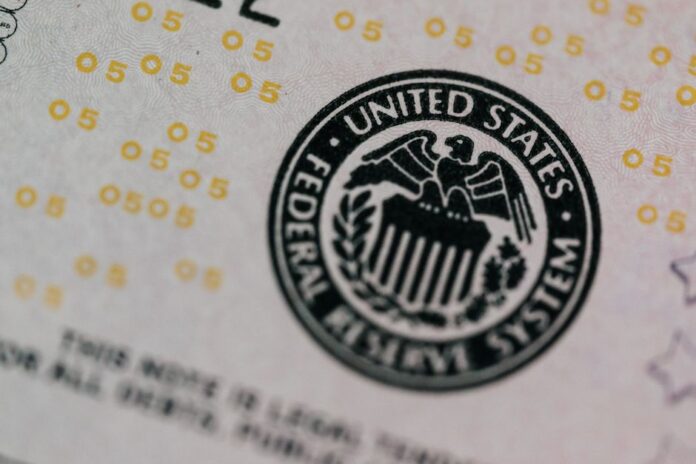
Photo: https://kaboompics.com/ / Pexels
By Political Watch Newsroom, Economy Desk — Published September 4, 2026
Table of Contents
- Key Takeaways
- The Background & Context
- Why This Matters
- Reactions & Analysis
- What Happens Next
- Frequently Asked Questions
The Federal Reserve stands at a pivotal crossroads. As America’s central bank weighs its next policy decisions, millions of households, businesses, and investors are watching closely for signals about the direction of interest rates and the ongoing battle against inflation. The stakes could not be higher for everyday Americans grappling with the cost of living, mortgage payments, and job security.
When the Federal Reserve signals its intentions, Wall Street reacts—but so does Main Street. The central bank’s dual mandate to maximize employment while keeping prices stable means its policy choices ripple through every corner of the economy. From the price of groceries to the availability of jobs, from car loans to retirement savings, the Fed’s decisions shape the financial landscape for all Americans.
Understanding what the Fed is signaling now requires looking at where we’ve been and where we’re headed. The central bank has spent recent years navigating one of the most challenging economic environments in decades, balancing the need to cool inflation without triggering a recession or widespread job losses.
Key Takeaways
- The Federal Reserve uses interest rate adjustments as its primary tool to influence economic growth and control inflation
- Recent signals from the central bank reflect a delicate balancing act between taming price increases and preserving employment gains
- Interest rate decisions directly affect mortgage rates, credit card costs, business loans, and savings account returns for millions of Americans
- The Fed’s policy choices are guided by incoming data on employment, consumer prices, and overall economic activity
- Wall Street and Main Street both watch Fed communications closely, as they provide crucial guidance for financial planning and investment decisions
- Future rate moves will depend on whether inflation continues cooling toward the Fed’s target while the job market remains healthy
The Background & Context
The Federal Reserve’s current position is the product of an extraordinary economic journey. After years of historically low interest rates designed to support the economy through the financial crisis and pandemic, the central bank found itself confronting inflation rates not seen in four decades. Prices surged across the board—from housing and energy to food and vehicles—squeezing household budgets and eroding purchasing power.
In response, the Fed embarked on one of its most aggressive rate-hiking campaigns in modern history. The federal funds rate, which had hovered near zero during the pandemic, was raised repeatedly to slow economic activity and bring down inflation. The logic is straightforward: higher interest rates make borrowing more expensive, which tends to reduce spending and investment, cooling demand and eventually bringing prices down.
But monetary policy is never simple. Raise rates too aggressively, and you risk choking off economic growth, triggering layoffs and potentially causing a recession. Move too slowly, and inflation can become entrenched in the economy, requiring even more painful measures later. The Fed must constantly read economic tea leaves, interpreting data on employment, wages, consumer spending, manufacturing activity, and dozens of other indicators.
The central bank’s credibility depends on clear communication. Markets and businesses need to understand the Fed’s thinking to make informed decisions. That’s why Fed officials choose their words carefully in public speeches, press conferences, and official statements. Every phrase is parsed by analysts looking for hints about future policy moves.
Why This Matters
For ordinary Americans, the Federal Reserve’s decisions are far from abstract. Interest rates touch nearly every aspect of financial life. When rates rise, mortgages become more expensive, potentially putting homeownership out of reach for first-time buyers or making it harder for existing homeowners to refinance. Credit card balances carry higher interest charges. Auto loans cost more. Small businesses face steeper borrowing costs when they need capital to expand or manage cash flow.
On the flip side, higher rates can benefit savers. Certificates of deposit and high-yield savings accounts offer better returns when the Fed raises rates, providing some relief for retirees and others living on fixed incomes. But these benefits must be weighed against the broader economic risks.
The employment picture is equally critical. The Fed’s mandate includes maximizing employment, and millions of workers depend on a healthy job market. When the central bank raises rates to fight inflation, it risks slowing the economy enough to trigger layoffs. The challenge is achieving a “soft landing”—bringing inflation down without causing significant job losses. History shows this is exceptionally difficult to pull off.
Inflation itself represents a hidden tax on everyone, especially those with limited means. When prices rise faster than wages, people can afford less. Families cut back on essentials. Retirement savings lose purchasing power. The Fed’s inflation-fighting efforts, while potentially painful in the short term through higher borrowing costs, aim to restore price stability and protect the value of the dollar over time.
Reactions & Analysis
The financial community watches Fed signals with intense scrutiny. Wall Street traders adjust their portfolios based on expected rate moves. Stock prices often react negatively to signals of higher rates, as borrowing costs for companies increase and investors can earn better returns from safer bonds. Conversely, signals that rate hikes may pause or reverse can spark market rallies.
Business leaders must make strategic decisions based on the interest rate environment. Should they expand operations now or wait? Is this the time to borrow for a major investment, or will rates come down soon? These decisions affect hiring, wages, and economic growth across communities nationwide.
Consumer confidence also shifts with Fed policy. When the central bank signals concern about inflation, households may become more cautious about spending. When the Fed suggests inflation is under control, consumers may feel more secure in their financial planning. This psychological dimension of monetary policy is powerful, as consumer spending drives roughly two-thirds of U.S. economic activity.
Economists and policy experts debate the Fed’s approach constantly. Some argue the central bank has been too aggressive, risking unnecessary economic pain. Others contend the Fed has been too cautious, allowing inflation to persist longer than necessary. These debates reflect genuine uncertainty about how the economy will respond to policy changes, given the countless variables at play.
What Happens Next
The path forward depends heavily on incoming economic data. The Fed has made clear it will adjust policy based on what the numbers show. If inflation continues to moderate toward the central bank’s target while employment remains strong, the case for keeping rates steady or even reducing them grows stronger. If price pressures resurge or the job market overheats, further rate increases could return to the table.
Several key indicators will shape future decisions. Monthly employment reports provide crucial information about job creation, unemployment rates, and wage growth. Consumer price index data reveals whether inflation is cooling or accelerating. Measures of economic output show whether growth is sustainable or showing signs of stress. Housing market data, manufacturing surveys, and consumer sentiment all factor into the Fed’s deliberations.
The global economic context matters too. Economic weakness abroad can affect U.S. exports and growth. International financial market turmoil can spill over to American shores. The Fed must consider these external factors alongside domestic conditions when charting its course.
Communication will remain critical. The Fed will continue signaling its intentions through official statements, press conferences, and speeches by central bank officials. Market participants will parse this language for clues about timing and magnitude of future moves. Transparency helps reduce uncertainty, though it can never eliminate it entirely.
For American families and businesses, the practical advice is to stay informed but maintain perspective. Interest rate cycles are normal. Economic conditions change. What matters most is sound financial planning that accounts for various scenarios rather than betting everything on a particular Fed outcome.
Frequently Asked Questions
How does the Federal Reserve actually control interest rates?
The Fed sets a target range for the federal funds rate, which is the interest rate banks charge each other for overnight loans. By buying or selling government securities and adjusting the interest it pays on bank reserves, the Fed influences this rate, which then affects other interest rates throughout the economy, from mortgages to credit cards to business loans.
Why does the Federal Reserve care so much about inflation?
Inflation erodes the purchasing power of money, making everyone poorer in real terms. When prices rise unpredictably, it becomes harder for businesses to plan investments and for families to budget. Stable prices allow the economy to function more efficiently and help preserve the value of savings and wages over time. The Fed’s legal mandate includes maintaining price stability as a core responsibility.
Can the Federal Reserve prevent recessions?
The Fed has powerful tools to influence economic activity, but it cannot prevent all recessions. Sometimes economic downturns result from factors beyond monetary policy control, such as financial crises, pandemics, or major supply shocks. The central bank can try to moderate the severity of recessions and support recovery, but it cannot guarantee continuous growth.
How long does it take for Federal Reserve rate changes to affect the economy?
Monetary policy works with significant time lags. When the Fed changes interest rates, it can take six months to two years for the full effects to work through the economy. This delayed impact makes the Fed’s job harder, as officials must make decisions based on forecasts of future conditions rather than just current data. It also means the effects of past rate changes may still be unfolding even as new decisions are made.
As the Federal Reserve continues to navigate these complex economic waters, Americans across the country will feel the consequences of its choices. The central bank’s signals matter because they shape the financial environment in which we all live, work, and plan for the future. Staying informed about Fed policy isn’t just for economists and investors—it’s essential knowledge for anyone trying to make sound financial decisions in uncertain times.