
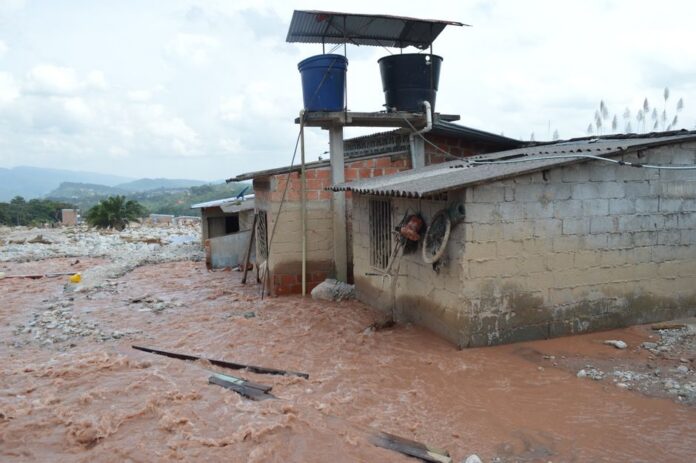
Flash Flooding Response: What Residents Should Do Now
By Newsroom, Breaking News Desk — Published August 13, 2026
Table of Contents
- Understanding Flash Flooding Response Triggers
- Immediate Actions When Flooding Begins
- Vehicle Safety and Escape Protocols
- After the Initial Surge: Ongoing Hazards
- Frequently Asked Questions
When water rises fast, decisions matter. Flash flooding response isn’t about waiting for official instructions or hoping the situation improves on its own. It’s about understanding the threat, knowing your options, and acting before roads become rivers. Whether you’re at home, in a car, or caught away from shelter, the choices you make in the first minutes can determine whether you stay safe or become part of the statistics that follow every major storm.
Flash floods kill more people annually than tornadoes, hurricanes, or lightning. The speed is what makes them deadly. Unlike river flooding that builds over days, flash flooding response must happen in minutes. A dry wash becomes a torrent. A street becomes impassable. Basements fill faster than people can react. This isn’t breaking news today in the sense of a single event, but a recurring emergency that demands immediate knowledge and preparation from anyone living in flood-prone areas.
Understanding Flash Flooding Response Triggers
Flash floods develop when rainfall overwhelms the ground’s ability to absorb water and drainage systems can’t keep pace. Urban areas face particular risk because concrete and asphalt prevent absorption, funneling runoff into streets and low-lying zones. Rural areas aren’t immune. Burn scars from wildfires, frozen ground, and steep terrain all accelerate runoff.
The National Weather Service issues two levels of alert. A flash flood watch means conditions favor rapid flooding. A warning means flooding is happening now or imminent. That warning is your cue for immediate action, not further monitoring. Real-time news alerts through weather apps and emergency notification systems exist precisely because this threat moves faster than traditional media cycles.
Several factors determine severity. Rainfall rate matters more than total accumulation. Three inches in an hour creates more danger than six inches over a day. Ground saturation from previous storms reduces absorption capacity. Topography channels water into predictable corridors. Dam or levee failures can trigger sudden releases. Understanding your local watershed, even basically, helps you anticipate where water will go.
Immediate Actions When Flooding Begins
If you’re home when water starts rising, move to higher floors immediately. Basements flood first and become traps. Don’t waste time moving valuables; focus on getting people and pets to safety. Turn off utilities if you can do so safely from a dry location, but never step into standing water to reach electrical panels or gas lines.
Evacuation decisions need to happen early. Once water covers roads, leaving becomes exponentially more dangerous. Six inches of moving water can knock an adult off their feet. Twelve inches will float most cars. Two feet will carry away SUVs and trucks. If local authorities issue evacuation orders, go immediately. If you’re making the call yourself, err toward leaving too early rather than waiting too long.
The developing story aspect of flash flooding means conditions change minute by minute. Water that seems manageable can surge without warning as upstream areas drain. Never assume you’ve seen the peak flow. Emergency response teams prioritize life-threatening rescues, meaning help may not arrive quickly for people who waited too long to evacuate.
Critical Don’ts During Active Flooding
- Never drive through flooded roadways, even if they look shallow. Most flood deaths happen in vehicles, and depth is nearly impossible to judge from inside a car.
- Don’t walk through moving water above your ankles. Current strength increases exponentially with depth, and you can’t see what’s underneath—debris, open manholes, eroded pavement.
- Avoid camping or parking in dry washes, canyon bottoms, or near streams, even in fair weather. Flash floods often originate miles away from where rain is falling.
- Don’t rely solely on past experience. Climate patterns are shifting, and “hundred-year” floods now occur with greater frequency.
Vehicle Safety and Escape Protocols
If your car stalls in rising water, abandon it immediately and move to higher ground. Vehicles become death traps faster than most people realize. Water pressure against doors can make them impossible to open before the interior fills. Electric windows fail when submerged.
Modern cars float briefly before sinking, giving occupants perhaps a minute to escape. Once water enters the cabin, pressure equalizes and doors may open, but by then panic and disorientation take over. Emergency responders stress a simple rule: if water is rising around your vehicle, get out and get away. The car is replaceable.
Happening now coverage of flood events consistently shows the same mistake: drivers attempting to cross what appears to be shallow water, then losing control as current sweeps the vehicle sideways or deeper water is encountered mid-crossing. Road surfaces may have washed away beneath the water. Even familiar routes become hazardous.
After the Initial Surge: Ongoing Hazards
Flash reports and initial coverage focus on the dramatic rise of water, but dangers persist long after levels drop. Floodwater carries sewage, chemicals, and debris. Assume all standing water is contaminated. Avoid contact and never let children play in it.
Structural damage may not be immediately visible. Foundations can shift, walls crack, and electrical systems short out. Don’t re-enter a flooded building until authorities declare it safe. If you must enter, wear protective gear and watch for gas leaks, electrical hazards, and weakened floors.
Mold develops within 24 to 48 hours in wet environments. Rapid drying and cleaning are essential but must be balanced against safety. Document damage thoroughly for insurance before cleanup begins. Photograph everything. Keep records of all expenses.
Waterborne illness risk increases in flood aftermath. Boil water if authorities issue advisories. Wash hands frequently. Discard any food that contacted floodwater. Tetanus boosters may be recommended for those working in debris.
Frequently Asked Questions
How much warning do residents typically receive before flash flooding occurs?
Warning time varies dramatically based on terrain, storm movement, and monitoring systems. Urban areas with advanced radar and rain gauges may receive 30 minutes to an hour of warning through official alerts. Rural or mountainous regions might get less, particularly if flooding results from sudden thunderstorm development. Some flash floods, especially those triggered by dam failures or ice jams, can occur with almost no warning. This is why preparation before storm season matters as much as response during events.
Is it safe to return home immediately after floodwaters recede?
No. Wait for official clearance from local emergency management. Even after water drains, homes may have structural damage, gas leaks, electrical shorts, or contamination that pose serious risks. Floodwater weakens foundations and saturates walls. Sewage and chemicals create health hazards. Snakes and other animals may have taken shelter inside. Professional inspection is often necessary before re-occupancy, and insurance documentation should happen before major cleanup begins.
What should be in a flash flood emergency kit?
Keep a go-bag ready with essentials you can grab in under two minutes: water, non-perishable food, medications, copies of important documents in waterproof containers, flashlight, battery-powered radio, first aid supplies, phone chargers, cash, and a change of clothes. Include pet supplies if applicable. Store the kit on an upper floor or in an easily accessible location, never in a basement. Update contents seasonally and check batteries regularly. The kit does you no good if you can’t reach it when water starts rising.
How can residents determine their personal flood risk?
Check FEMA flood maps for your address to see if you’re in a designated flood zone, but don’t rely on them exclusively. Maps can be outdated, and development patterns change drainage. Talk to neighbors about past flooding. Observe your property during heavy rain to see where water collects and flows. Consider elevation relative to nearby streams, storm drains, and low-lying areas. Renters and homeowners outside official flood zones still face risk and should consider flood insurance, which typically requires a 30-day waiting period before coverage begins.
Flash flooding demands respect, preparation, and quick thinking. The latest breaking headlines after each storm tell the same story: those who acted early stayed safe, while those who hesitated faced tragedy. Your response plan should exist before the first drops fall, because when water rises, there’s no time to learn. Know your risk, trust the warnings, and never gamble on crossing flooded ground.