
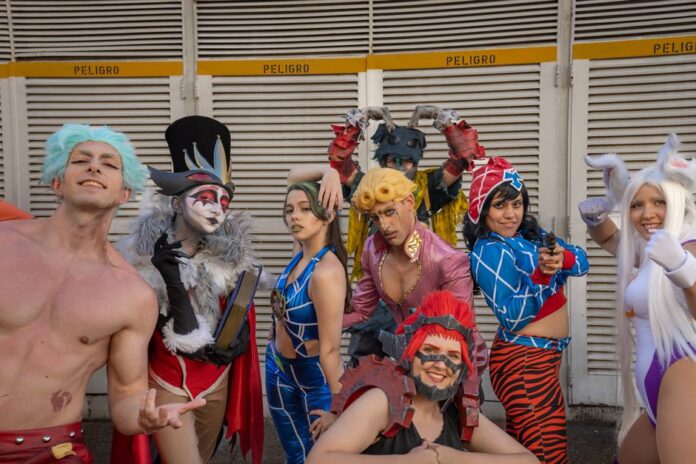
Photo: Martin.que / Pexels
By Political Watch Newsroom, Entertainment Desk — Published October 21, 2026
Table of Contents
- Key Takeaways
- The Background & Context
- Why This Matters
- Reactions & Analysis
- What Happens Next
- Frequently Asked Questions
Halloween has always been a night for transformation. But in 2024, the holiday has undergone a cultural metamorphosis that’s left traditional costume shops scrambling and social media users cackling with delight. This year, the zeitgeist belongs to hyperspecific meme centric costumes—elaborate getups so niche, so terminally online, and so deeply embedded in pop culture that they require a dissertation-length explanation to anyone over forty.
The phenomenon has become particularly pronounced in queer communities, where Halloween has long served as a high holiday of self-expression. Reports indicate that internet memes have fundamentally reshaped how people approach costume design, trading generic witch hats and vampire fangs for references so granular they might reference a single viral TikTok moment, a fleeting streaming service controversy, or an obscure movie scene that became a GIF.
The phrase “I hate gay Halloween” has itself become a meme—a tongue-in-cheek acknowledgment that queer Halloween costumes have reached such levels of specificity that decoding them requires advanced degrees in internet culture. It’s affectionate exasperation wrapped in admiration for the sheer creativity involved.
Key Takeaways
- Internet memes have fundamentally transformed Halloween costume culture, with hyperspecific references replacing traditional costume archetypes
- Queer communities have embraced this trend with particular enthusiasm, creating costumes so niche they require extensive pop culture knowledge to decode
- The shift reflects broader changes in how entertainment consumption—through streaming, social media, and TV—shapes cultural expression
- Traditional costume retailers are adapting to a landscape where viral moments and meme culture drive consumer choices
- The phenomenon highlights how digital culture has accelerated the lifecycle of pop culture references from months to mere days
- What began as internet jokes has evolved into a legitimate artistic movement within Halloween celebrations
The Background & Context
Halloween costume culture used to operate on a predictable cycle. Movie studios would release blockbusters in summer. By October, store shelves groaned under licensed superhero and princess outfits. People dressed as recognizable characters everyone could identify at a glance.
That model has collapsed.
According to reporting on the evolution of Halloween costumes, internet memes have seized control of the holiday’s aesthetic direction. The shift didn’t happen overnight. It built gradually as social media platforms became primary sources of entertainment and cultural conversation. TikTok videos rack up millions of views in hours. A Netflix show can dominate discourse for a weekend, then vanish. Streaming services churn out content at rates that make water-cooler conversations obsolete before the coffee gets cold.
Queer communities, long at the vanguard of Halloween creativity, recognized the potential early. Gay Halloween has historically functioned as more than mere dress-up—it’s performance art, social commentary, and community celebration rolled into one glitter-covered package. The hyperspecific costume trend fits perfectly into this tradition of using Halloween as a canvas for cultural literacy and insider knowledge.
The memes about these hyperspecific queer Halloween costumes have themselves become a subgenre of internet humor. People post photos of costumes so obscure they need captions explaining the reference, which then get screenshotted and shared, which generate more memes, which inspire more costumes. It’s a self-perpetuating cycle of creativity and one-upmanship.
Traditional costume companies have struggled to keep pace. How do you mass-produce a costume referencing a three-second moment from a reality TV show that aired two weeks ago? You can’t. This has democratized costume creation, pushing people toward DIY solutions that require thrift store runs, craft supplies, and encyclopedic knowledge of pop culture.
Why This Matters
This Halloween evolution reveals something fundamental about how Americans consume and process culture in 2024. Entertainment no longer arrives in discrete, easily digestible packages. It’s a firehose of content across streaming platforms, social media feeds, and traditional TV that blurs together into an endless scroll.
The hyperspecific costume trend matters because it demonstrates how communities create meaning and connection in this fragmented landscape. When someone shows up dressed as a hyper-niche reference, they’re not just wearing a costume. They’re signaling membership in specific online communities, demonstrating cultural fluency, and inviting conversations with fellow initiates who get the joke.
For the broader public, this shift raises questions about cultural cohesion. When Halloween costumes require footnotes, what does that say about shared cultural experiences? The phenomenon highlights growing divides between those deeply embedded in online culture and those who aren’t. It’s generational, but also about media consumption habits and how much time people spend in digital spaces.
Economic implications exist too. Small businesses and independent creators benefit when mass-market costumes become irrelevant. Etsy sellers, local costume shops offering custom work, and DIY culture thrive. Meanwhile, big-box retailers face inventory challenges when they can’t predict which memes will dominate any given October.
The trend also reflects how queer culture continues to influence mainstream entertainment and social trends. What starts in gay Halloween parties often filters into broader culture within months. Observing these costume choices offers a preview of where pop culture conversation is heading.
Reactions & Analysis
Social media responses to hyperspecific Halloween costumes have been overwhelmingly enthusiastic, at least within communities that appreciate the artistry involved. The phrase “I hate gay Halloween” functions as a humorous surrender—an admission that the bar has been raised so high that casual participants can barely compete.
Cultural commentators have noted that these costumes represent a form of performance art that rewards deep engagement with entertainment and pop culture. Unlike previous Halloween eras, when costumes aimed for broad recognition, current trends prioritize insider knowledge. This creates a two-tiered experience: those who immediately recognize the reference experience delight and connection, while others feel excluded from the joke.
The phenomenon has sparked discussions about accessibility and gatekeeping. Some argue that hyperspecific costumes create unnecessary barriers to participation, turning Halloween into a test of who’s most extremely online. Others counter that niche references have always existed, and that diversity in costume choices enriches rather than diminishes the holiday.
Entertainment industry observers see the trend as evidence of how streaming services and social media have fragmented mass culture. There’s no longer a monoculture where everyone watches the same three TV shows. Instead, audiences splinter into micro-communities centered around specific content. Halloween costumes now reflect that fragmentation, with partygoers essentially wearing their viewing histories.
Retail analysts have expressed concern about the unpredictability this creates for costume sales. Traditional metrics for forecasting popular costumes—box office numbers, TV ratings—no longer apply when a random TikTok can generate more costume inspiration than a hundred-million-dollar movie.
What Happens Next
The trajectory suggests hyperspecific costumes will only grow more elaborate and obscure. As more people embrace the trend, the arms race for the most niche reference intensifies. Next year might see costumes based on single frames of streaming shows or references to memes that existed for exactly forty-eight hours.
Costume retailers will likely adapt by offering more customization options and DIY supplies rather than pre-packaged costumes. The market may shift toward providing raw materials—wigs, makeup, generic clothing items—that people can combine into their specific visions.
We may also see backlash. Cultural pendulums swing. If hyperspecific costumes become exhausting or exclusionary enough, a counter-movement toward simpler, more universally recognizable costumes could emerge. Halloween traditions have always balanced innovation with nostalgia.
The broader implications for entertainment and pop culture bear watching. If Halloween costumes serve as a barometer for cultural engagement, the current trend suggests audiences crave depth and specificity over broad appeal. Studios and streaming services may respond by creating more niche content designed to inspire passionate micro-communities rather than chasing mass audiences.
Queer communities will likely continue leading this evolution, pushing boundaries and setting trends that eventually permeate mainstream culture. Gay Halloween’s influence on the holiday writ large shows no signs of diminishing.
Frequently Asked Questions
What exactly are hyperspecific meme-centric costumes?
Hyperspecific meme-centric costumes are Halloween outfits based on extremely niche internet references, viral moments, or obscure pop culture details rather than broad, easily recognizable characters. These costumes often reference specific scenes from streaming shows, particular TikTok trends, or moments from movies and TV that became memes. They require extensive knowledge of online culture and entertainment to understand, making them both creative expressions and tests of cultural literacy.
Why is this trend particularly associated with queer Halloween celebrations?
Queer communities have historically treated Halloween as a significant cultural event and opportunity for creative self-expression. Gay Halloween has long featured elaborate, thoughtful costumes that go beyond simple store-bought options. The hyperspecific costume trend aligns perfectly with this tradition of using Halloween as performance art and cultural commentary. Queer spaces often value insider knowledge, creativity, and pushing boundaries—all qualities that hyperspecific costumes embody.
How have internet memes changed Halloween costume culture?
Internet memes have accelerated the lifecycle of pop culture references and created countless micro-moments that can inspire costumes. Instead of relying on major movies or TV shows for costume ideas, people now draw from viral TikToks, streaming service moments, and fleeting online trends. This has democratized costume creation while making it harder for traditional retailers to predict trends. The result is more creative, DIY-focused costumes that reflect how people actually consume entertainment in the digital age.
Are hyperspecific costumes making Halloween less accessible?
This is a matter of ongoing debate. Some argue that costumes requiring extensive pop culture knowledge create barriers and make people feel excluded if they don’t understand references. Others contend that Halloween has always included both simple and elaborate costumes, and that niche references add richness and variety rather than gatekeeping. The trend does highlight growing divides in how different groups consume media and engage with online culture, but it also showcases creativity and community-building among those who participate.
As Halloween 2024 winds down and the last hyperspecific costumes get packed away, one thing remains clear: the holiday will never return to its pre-meme simplicity. The internet has permanently altered how we celebrate, what we reference, and how we signal belonging. Whether you love it, hate it, or land somewhere in between, gay Halloween and its hyperspecific costumes have redefined what it means to dress up for October 31st.



