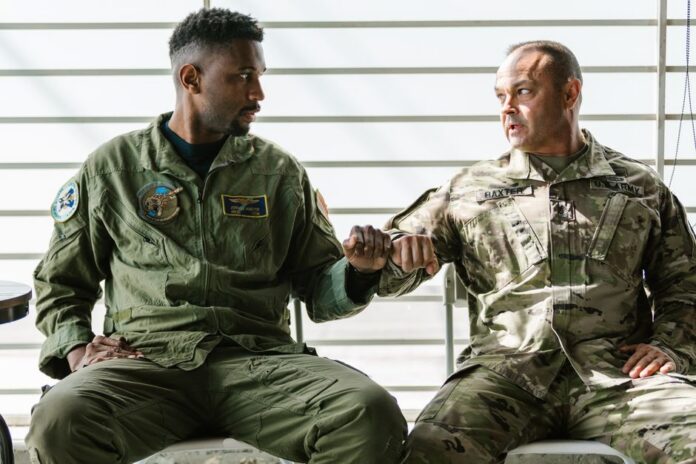
Military Alliances: Why Defense Partnerships Matter Now
By Newsroom, Foreign Affairs Desk — Published August 12, 2026
Table of Contents
- The Architecture of Modern Defense Partnerships
- How Alliances Shape International Relations Strategy
- The Current Landscape of Defense Cooperation
- Practical Implications for Citizens
- Frequently Asked Questions
When nations face threats too large to handle alone, they turn to friends. Military alliances and defense partnerships have shaped the international order for generations, binding countries together through shared security commitments that can mean the difference between deterrence and conflict. These arrangements—ranging from formal treaties requiring mutual defense to looser bilateral relations focused on intelligence sharing—are now under fresh scrutiny as geopolitical tensions reshape the global landscape.
Understanding why countries forge these bonds, how they function in practice, and what obligations they create matters to citizens whose tax dollars fund defense budgets and whose leaders make promises that could one day require military action. The mechanics of these partnerships touch everything from treaty ratification processes to foreign minister meetings, from ambassador appointments to the quiet work of consulates protecting nationals abroad.
The Architecture of Modern Defense Partnerships
Not all military alliances look alike. Some are multilateral organizations binding dozens of nations to collective defense principles. Others are bilateral agreements between two countries, tailored to specific regional threats or historical ties. The obligations vary dramatically.
The strongest form commits members to treat an attack on one as an attack on all—a mutual defense clause that transforms a distant conflict into a direct national security concern. Weaker arrangements might involve intelligence sharing, joint training exercises, or agreements to sell advanced weapons systems. Some partnerships exist primarily on paper, diplomatic signals rather than operational realities. Others involve permanent troop deployments, integrated command structures, and years of planning for scenarios both countries hope never materialize.
Treaty ratification usually requires legislative approval, giving elected representatives a voice in commitments that could send soldiers into harm’s way. This domestic political dimension means alliances reflect not just strategic calculation but also public opinion and legislative priorities. A State Department briefing might outline the benefits of a proposed partnership, but lawmakers must weigh those against costs and risks.
What Binds Partners Together
Defense partnerships rest on several pillars. Shared threats top the list—countries facing a common adversary have obvious incentive to coordinate. Geographic proximity often drives alignment, as neighbors confront similar regional security challenges. Shared values and political systems can strengthen bonds, though plenty of alliances pair democracies with more authoritarian partners when strategic interests align.
Economic ties reinforce military cooperation. Countries that trade extensively have mutual interest in stability and often extend that into security coordination. Technology transfer sweetens deals, with advanced nations offering cutting-edge systems to partners in exchange for basing rights or political support. Diplomatic immunity for stationed forces, consulate services for military families abroad, and the complex web of bilateral relations all support the operational reality of partnerships.
How Alliances Shape International Relations Strategy
Defense partnerships don’t just respond to threats—they help create the strategic environment. A credible alliance can deter aggression by raising the cost of attack. An adversary contemplating action against a smaller nation must consider whether larger allies will intervene. This deterrent effect works best when commitments are clear and capabilities are visible, which explains the emphasis on joint exercises and forward deployments.
Alliances also enable burden-sharing. Smaller nations gain security guarantees they couldn’t afford alone. Larger nations gain forward presence, intelligence access, and partners who contribute forces to shared missions. The arrangement works when both sides see value, though debates over who contributes what resources simmer constantly beneath the surface.
Cross-border security and intelligence sharing represent some of the most valuable but least visible alliance benefits. Partners exchange information about terrorist networks, cyber threats, and military movements. They coordinate sanctions and economic statecraft, using financial tools to pressure adversaries. They align positions in international forums, turning bilateral relations into multilateral influence.
When Partnerships Complicate Diplomacy
Alliances constrain as much as they enable. A commitment to defend a partner limits freedom of action, potentially dragging nations into conflicts they’d prefer to avoid. Alliance politics can override other foreign policy goals—maintaining partnership cohesion might require softening criticism of a member’s domestic policies or supporting positions that don’t align with national interests.
Treaty obligations can outlast the circumstances that created them. A pact forged to counter one threat may persist long after that danger fades, creating new complications. Partners change governments, shift priorities, or develop interests that diverge. Managing these evolutions without breaking commitments requires constant diplomatic work, from ambassador appointments that signal priorities to foreign minister meetings that address emerging friction.
The Current Landscape of Defense Cooperation
Today’s security environment tests alliances in multiple ways. Rising powers challenge existing arrangements. Regional conflicts threaten to activate mutual defense clauses. New domains like cyber and space lack clear rules about what constitutes an attack and what response it warrants.
Nuclear nonproliferation and arms control efforts depend heavily on alliance dynamics. Extended deterrence—the promise that a nuclear-armed nation will defend non-nuclear allies—aims to prevent proliferation by removing incentives for smaller nations to develop their own weapons. These guarantees require credibility, which means visible commitment and planning for scenarios everyone hopes remain hypothetical.
Humanitarian intervention and nation-building missions often deploy through alliance structures, spreading costs and political risk. When partners contribute forces to stabilization operations or peacekeeping, they share the burden but also complicate command and control. Different rules of engagement, varying capability levels, and domestic political constraints in each contributing nation create friction even among close partners.
Economic and Military Coordination
Trade agreements and tariff disputes intersect with defense partnerships in complex ways. Economic interdependence can strengthen security ties or create vulnerabilities. Partners who depend on each other for critical goods face pressure to maintain positive relations even when interests diverge. Sanctions regimes require coordination—unilateral economic statecraft loses effectiveness if partners undermine it.
Foreign aid and development assistance often flow through alliance channels, supporting partners’ stability and building goodwill. Military aid, training programs, and equipment sales cement relationships while advancing the provider’s strategic interests. The line between supporting a partner and creating dependency requires careful navigation.
Practical Implications for Citizens
Defense partnerships affect ordinary people in tangible ways. They determine where military personnel deploy, how defense budgets allocate resources, and what risks nations accept. Consular affairs and citizen protection abroad rely partly on alliance networks—when trouble erupts overseas, partnerships can facilitate evacuations and provide support.
Key considerations include:
- Defense spending reflects alliance commitments, with funds supporting overseas bases, joint exercises, and capability development to meet partnership obligations
- Trade and economic policy intertwine with security partnerships, as allies often receive preferential treatment or face pressure to align economic positions
- Military personnel and their families experience the operational reality of alliances through deployments, rotations, and the complex legal status governed by agreements on diplomatic immunity and jurisdiction
- Foreign policy flexibility decreases as alliance commitments multiply, limiting options in crises and requiring consultation before action
Frequently Asked Questions
What happens if an alliance member is attacked?
The response depends on the specific treaty language and political will. Some alliances require automatic military response, though even these involve consultation about appropriate action. Others call for members to assist but don’t mandate armed intervention. The attacked nation typically invokes the alliance provision, triggering meetings where partners assess the situation and coordinate response. Domestic politics in each member state influence what support they provide, from direct military action to intelligence sharing, economic sanctions, or diplomatic backing.
Can countries leave military alliances?
Most defense treaties include withdrawal provisions allowing members to exit after providing notice, often six months to a year. Leaving an alliance carries significant consequences—loss of security guarantees, reduced intelligence access, potential economic retaliation, and damaged bilateral relations with former partners. The decision involves weighing immediate sovereignty gains against long-term strategic costs. Some nations maintain alliance membership while limiting their participation, seeking a middle path between full commitment and complete withdrawal.
How do alliances affect neutral countries?
Nations choosing neutrality or non-alignment must navigate a world shaped by alliance blocs. They may face pressure to choose sides during crises, lose access to intelligence or military technology available to alliance members, or struggle to maintain trade relationships with competing blocs. Some neutral countries compensate through strong independent defense capabilities or by providing valuable services like mediation. Others find their neutrality respected because it serves larger powers’ interests, creating buffer zones or neutral meeting grounds.
Do military alliances prevent or cause wars?
Both, depending on circumstances. Well-designed alliances with clear commitments can deter aggression by raising costs for potential attackers—this preventive effect has likely avoided numerous conflicts. Poorly structured alliances with ambiguous obligations may embolden smaller members to take risks they wouldn’t accept alone, or fail to deter because adversaries doubt partners will actually intervene. Alliance networks can also turn local disputes into wider wars if mutual defense commitments create chain reactions. The net effect depends on credibility, clarity, and whether the alliance addresses genuine security needs or creates new tensions.
Defense partnerships will continue evolving as threats change and political winds shift. Their value lies not in permanent solutions but in frameworks for cooperation that adapt to circumstances. For citizens and leaders alike, understanding these arrangements means grasping both their protective power and their potential to bind nations to difficult choices. The alliances countries maintain today will shape the conflicts they face—or avoid—tomorrow.