Photo: Mark Stebnicki / Pexels
By Political Watch Newsroom, National Desk — Published September 13, 2026
Table of Contents
- Key Takeaways on Shadow Docket Rulings
- The Background & Context of the Shadow Docket
- Why This Matters to American Citizens
- Reactions & Analysis from Legal Observers
- What Happens Next in This Judicial Evolution
- Frequently Asked Questions
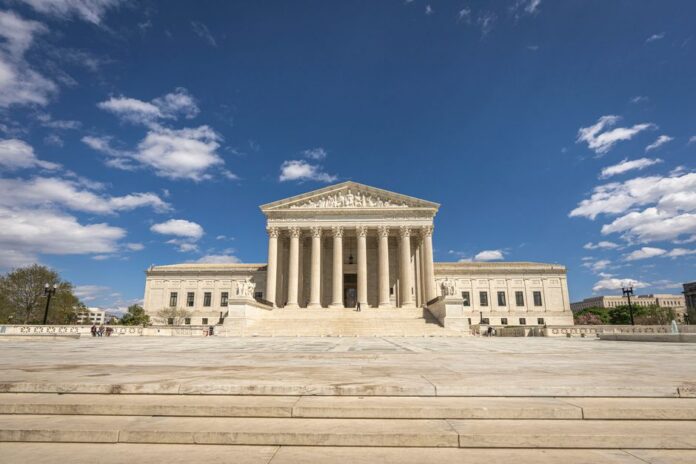
The Supreme Court‘s shadow docket has emerged as a flashpoint in American jurisprudence. These emergency orders—issued without full briefing or oral argument—are shaping policy at breakneck speed. During the second Trump administration, shadow docket rulings have surged, affecting everything from immigration enforcement to regulatory authority. The phenomenon raises fundamental questions about transparency, judicial restraint, and the balance of power in our federal government.
Unlike the Court’s traditional merits docket, where cases receive months of scrutiny and produce lengthy written opinions, the shadow docket operates in relative darkness. Decisions arrive quickly, often with minimal explanation. Critics warn this process lacks the deliberation Americans expect from the nation’s highest court. Supporters counter that genuine emergencies demand swift judicial action. Either way, the stakes are enormous for millions of citizens.
As reports indicate, shadow docket cases are on the rise during this period, with significant implications for both the Trump administration’s policy agenda and the nation at large. The Court’s approach has drawn intense scrutiny from legal scholars, civil liberties advocates, and political observers across the spectrum.
Key Takeaways on Shadow Docket Rulings
- The Supreme Court’s use of emergency orders without full argument has increased significantly during the second Trump administration, according to legal observers tracking these developments.
- Shadow docket decisions are impacting critical policy areas including immigration, environmental regulation, and executive authority, affecting millions of Americans nationwide.
- Legal experts characterize the current Court as conservative in orientation, yet one that has also demonstrated willingness to check certain Trump administration actions in specific instances.
- The lack of transparency in shadow docket proceedings has sparked debate about judicial accountability and the proper role of emergency relief in constitutional adjudication.
- These rulings often set precedent and shape national policy despite receiving far less public attention than traditional Supreme Court decisions announced after full briefing and oral argument.
- The rise in shadow docket activity reflects broader tensions between executive power, judicial review, and democratic accountability in the federal government.
The Background & Context of the Shadow Docket
The shadow docket isn’t new. Courts have always possessed emergency powers to issue stays, injunctions, and other provisional relief. What has changed is the frequency and significance of these orders. Historically, emergency applications addressed narrow procedural matters—scheduling conflicts, execution stays, or technical jurisdictional questions. They rarely touched major policy disputes.
That pattern shifted dramatically over the past decade. As political polarization intensified and policy battles moved to the courts, litigants increasingly sought emergency relief from the Supreme Court. Lower courts issued nationwide injunctions blocking federal policies. Administrations responded by racing to the Supreme Court for immediate reversal. The result: a growing volume of high-stakes decisions issued on compressed timelines.
The term “shadow docket” itself entered popular discourse only recently, coined by University of Chicago law professor William Baude in 2015. The label captures something essential about these proceedings. They happen in the shadows, away from the public rituals that define Supreme Court practice. No cameras. No oral argument. Often, no signed opinions explaining the legal reasoning. Just orders, sometimes accompanied by brief unsigned statements or terse dissents.
During the second Trump administration, this trend has continued and, according to observers, intensified. The administration has sought emergency relief on matters ranging from border security to regulatory rollbacks. Sometimes the Court grants these requests. Other times it denies them. The pattern reveals a complex dynamic between the judicial and executive branches.
Why This Matters to American Citizens
Shadow docket rulings carry real consequences for ordinary Americans. When the Court issues an emergency stay of a lower court injunction, federal policy goes into effect immediately. Workers, immigrants, patients, and businesses must adapt overnight. There’s no waiting for a full decision months down the road. The emergency order becomes the operative reality.
Consider immigration enforcement. A shadow docket ruling allowing a particular enforcement policy to proceed affects thousands of families within hours. Detention practices change. Deportation priorities shift. Communities feel the impact before most Americans even learn a decision was issued. The same applies to environmental regulations, healthcare rules, and voting procedures. These aren’t abstract legal questions. They determine who can stay in the country, what air we breathe, what medical treatments are accessible, and who can cast a ballot.
The transparency deficit raises accountability concerns. When the Court issues a fully briefed decision, the majority must explain its reasoning in writing. Dissenting justices can articulate their objections. Legal scholars and journalists can analyze the logic. Citizens can understand why the Court ruled as it did. Shadow docket orders often provide none of this. The public receives a result without a roadmap. That makes democratic oversight difficult.
According to assessments of the Court’s recent work, the current conservative majority has shown both deference to and skepticism of Trump administration positions. This nuanced approach defies simple partisan narratives. The Court has checked the administration in certain areas while supporting it in others. Understanding these patterns requires close attention to the substance of each ruling, not just the headline outcome.
Reactions & Analysis from Legal Observers
The shadow docket has become a focal point for criticism from across the political spectrum. Progressive advocates warn that the Court is short-circuiting democratic deliberation and enabling executive overreach. Conservative critics, meanwhile, have historically complained when shadow docket orders blocked policies they supported, though some now defend the practice when it advances their preferred outcomes.
Legal scholars have offered measured assessments. As noted in evaluations of the Supreme Court’s recent term, observers characterize the current bench as “a conservative Court that has also checked the Trump administration” in specific instances. This description captures an important reality. The Court’s conservative majority doesn’t rubber-stamp every administration request. Institutional concerns about judicial process and separation of powers sometimes outweigh ideological alignment.
Civil liberties organizations have pressed for greater transparency. They argue the public deserves to know the reasoning behind decisions that affect fundamental rights. Some have called for the Court to adopt clearer standards governing when emergency relief is appropriate. Others want mandatory written explanations for every shadow docket ruling.
Within the legal academy, debate continues about whether the shadow docket represents a dangerous departure from norms or a necessary adaptation to modern litigation realities. Some scholars point out that nationwide injunctions by district courts—a relatively recent phenomenon—have forced the Supreme Court to intervene more frequently to maintain uniformity in federal law. Others counter that the Court could simply deny emergency applications more often, forcing cases through the normal appellate process.
What Happens Next in This Judicial Evolution
The shadow docket shows no signs of shrinking. As long as lower courts issue sweeping injunctions and administrations seek immediate Supreme Court review, emergency applications will flood in. The fundamental incentives haven’t changed. Both sides in polarized policy battles want quick victories. The shadow docket offers a faster path than traditional litigation.
Reform proposals are circulating. Some suggest the Court should issue written opinions for all consequential shadow docket rulings. Others propose stricter standards for granting emergency relief, requiring applicants to demonstrate truly irreparable harm. A few voices call for congressional action to limit the Court’s emergency jurisdiction, though such legislation faces steep political and constitutional hurdles.
The composition of the Court itself will shape the shadow docket’s trajectory. Future appointments could shift the balance on questions of emergency relief, transparency, and deference to executive action. Public attention to these issues may influence how aggressively justices use this tool. If shadow docket rulings generate sustained controversy, the Court might exercise more restraint. Alternatively, normalization could lead to even greater reliance on emergency orders.
For the Trump administration, the shadow docket represents both opportunity and constraint. When the Court grants emergency relief, the administration can implement policies immediately. When the Court denies such requests or checks executive action, it faces delays and limitations. This dynamic creates ongoing uncertainty about which policies can advance and which will face judicial obstacles.
Frequently Asked Questions
What exactly is the Supreme Court’s shadow docket?
The shadow docket refers to the Supreme Court’s emergency orders and summary decisions issued without full briefing, oral argument, or detailed written opinions. Unlike the traditional merits docket where cases receive months of review and produce lengthy opinions, shadow docket rulings arrive quickly and often with minimal public explanation. These orders can grant or deny stays, injunctions, and other emergency relief, sometimes affecting major policy questions nationwide.
How do shadow docket rulings differ from regular Supreme Court decisions?
Regular Supreme Court decisions follow a predictable timeline: parties file detailed briefs, justices hear oral argument, then months later issue signed opinions explaining their reasoning. Shadow docket orders skip most of these steps. The Court decides emergency applications on accelerated schedules, often within days or weeks. Many shadow docket orders are unsigned, provide little reasoning, and offer limited guidance for future cases. Yet they carry the same legal force as fully argued decisions.
Why has the shadow docket become more controversial recently?
The shadow docket has drawn criticism because its use has increased significantly and now addresses major policy disputes rather than routine procedural matters. During recent administrations, including the second Trump presidency, the Court has issued emergency orders affecting immigration, healthcare, environmental regulation, and other consequential areas. The lack of transparency and explanation in these rulings has sparked concerns about accountability, especially when they effectively decide policy questions that affect millions of Americans without the deliberative process associated with traditional Supreme Court review.
Has the Supreme Court actually blocked Trump administration policies on the shadow docket?
According to legal analysis, the current conservative Court has demonstrated a complex relationship with the Trump administration, sometimes supporting its positions and other times checking its authority. While the Court has granted emergency relief for certain administration policies, it has also denied requests or imposed limitations in specific cases. This pattern suggests the justices are applying legal standards that don’t always align perfectly with political expectations, though the details of individual rulings vary significantly depending on the legal issues and procedural posture involved.
The shadow docket will remain a defining feature of American constitutional law for the foreseeable future. Its evolution reflects deeper tensions in our system—between speed and deliberation, transparency and efficiency, executive power and judicial oversight. How the Supreme Court manages these tensions will shape policy outcomes and public trust in the judiciary for years to come. Americans deserve to understand how these decisions are made and what they mean for the country.