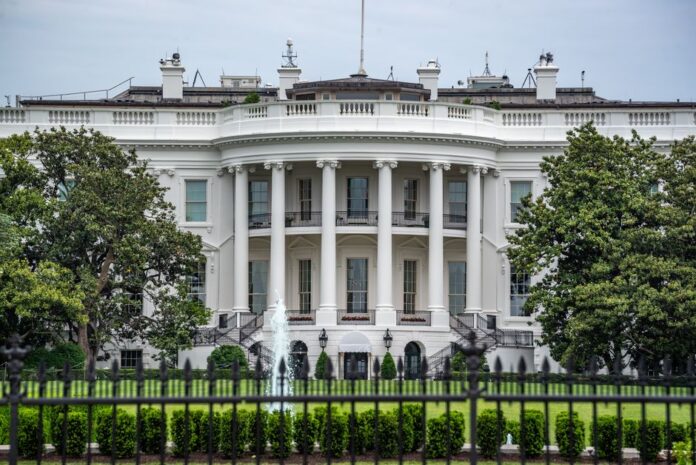
Photo: Dominik Gryzbon / Pexels
By Political Watch Newsroom, Politics Desk — Published October 25, 2026
Table of Contents
- Key Takeaways
- The Background & Context
- Why This Matters
- Reactions & Analysis
- What Happens Next
- Frequently Asked Questions
Behind the political theater and policy debates that dominate headlines, the White House holds a remarkable secret in plain sight: a substantial collection of American art that few citizens know exists. While Congress battles over legislation and campaigns heat up ahead of election season, this cultural treasure quietly adorns the walls of the nation’s most famous residence, telling stories of American history, creativity, and national identity that transcend the partisan divides of contemporary politics.
The collection represents more than mere decoration. It embodies a living museum of American artistic achievement, carefully curated over generations of administrations from both political parties. Yet its existence remains largely unknown to the taxpayers who, in effect, own it.
As the White House continues to serve as both the executive branch’s headquarters and a symbol of American democracy, this art collection offers a unique window into how successive presidents have chosen to represent the nation’s cultural heritage within the building’s historic walls.
Key Takeaways
- The White House maintains a significant collection of American art that remains largely unknown to the general public despite its historical and cultural importance.
- The collection serves dual purposes as both decoration for the presidential residence and a representation of American artistic heritage across multiple administrations.
- Unlike better-known aspects of White House operations, the art collection receives minimal public attention despite being owned by American taxpayers.
- The collection transcends partisan politics, having been built and maintained across presidencies from both major political parties over many decades.
- This cultural asset represents a unique intersection of art, history, and governance within the nation’s most symbolically important building.
The Background & Context
The tradition of art in the White House stretches back to the building’s earliest days, though the formal collection has evolved substantially over time. Each administration has contributed to or modified the collection, reflecting changing tastes, political priorities, and interpretations of what American art should represent in the people’s house.
Unlike the Smithsonian museums or the National Gallery, which attract millions of visitors annually and maintain high public profiles, the White House art collection operates in relative obscurity. Public tours of the White House offer only limited glimpses of selected pieces, and comprehensive documentation of the full collection remains scattered and incomplete in public records.
The collection encompasses various periods of American art history, from early portraiture to more contemporary works. These pieces serve multiple functions: they beautify the residence, they convey messages about presidential priorities and values, and they preserve important examples of American artistic achievement for future generations.
Funding and acquisition processes for White House art involve a complex interplay of public resources, private donations, and loans from museums and collectors. This financial structure has occasionally sparked questions about transparency and accountability, though such concerns rarely rise to the level of congressional scrutiny or campaign issues.
Why This Matters
For American citizens, the existence of this collection raises important questions about public assets, cultural stewardship, and government transparency. Taxpayers effectively own this art, yet few have any awareness of what hangs in the rooms where consequential decisions about legislation, foreign policy, and domestic governance occur daily.
The collection also matters as a statement about national identity. Art selections reflect how each administration chooses to represent American culture to visiting foreign dignitaries, members of Congress, and the limited number of citizens who tour the building. These choices carry symbolic weight, communicating messages about which artists, movements, and historical periods deserve prominence in the nation’s most important residence.
From a civic perspective, the relative obscurity of the collection highlights broader issues about government transparency and public access to cultural resources. While politics often focuses on campaign promises, election strategies, and legislative battles, questions about how taxpayer-owned cultural assets are managed and shared with the public deserve attention too.
The art collection also represents continuity amid political change. While administrations shift with elections and policy priorities swing between parties, the core collection endures, modified gradually rather than revolutionized. This permanence offers a counterpoint to the constant churn of contemporary politics.
For the art world and historians, the collection provides invaluable insights into how political power and cultural expression intersect. The pieces chosen for display, those relegated to storage, and those acquired or deaccessioned all tell stories about American values and priorities across different eras.
Reactions & Analysis
Public awareness of the White House art collection remains minimal, partly because it rarely intersects with the political news cycle that dominates coverage of the executive branch. Campaign coverage focuses on polls and strategy; congressional reporting emphasizes legislation and partisan conflict. Art simply doesn’t compete for attention in this environment.
Art historians and cultural advocates have periodically called for greater public access and documentation of the collection. They argue that such a significant public asset deserves more robust cataloging, digital access, and educational programming that would allow citizens nationwide to engage with art their tax dollars help preserve.
The limited attention the collection receives also reflects broader patterns in how Americans engage with government and civic institutions. Immediate political controversies and election-year battles capture public focus, while longer-term cultural and historical questions receive less scrutiny.
Some observers note that increased transparency around the collection could serve multiple public goods: educating citizens about American art history, fostering appreciation for cultural preservation, and demonstrating how government can successfully steward important assets across partisan transitions.
What Happens Next
The future of the White House art collection will likely continue along its current trajectory unless specific advocacy efforts or legislative initiatives push for change. With campaign seasons and congressional sessions dominated by more immediate concerns, cultural assets like this collection tend to evolve quietly, shaped more by curatorial decisions than public debate.
Technology offers new possibilities for public engagement. Digital catalogs, virtual tours, and online exhibitions could make the collection accessible to millions of Americans who will never physically tour the White House. Whether future administrations prioritize such initiatives remains to be seen, and will likely depend on individual presidential interests rather than systematic policy.
The collection’s growth and evolution will continue to reflect the tastes and priorities of successive presidents and first families. These choices will be made largely outside public view, with limited input from the citizens who ultimately own these cultural assets.
Congressional oversight of the collection remains minimal, and no significant legislation addressing its management or public access appears on the horizon. Unless the collection becomes entangled in broader political controversies, it will likely remain a little-known aspect of White House operations.
Frequently Asked Questions
How large is the White House art collection?
While specific inventory numbers are not widely publicized, the collection includes numerous paintings, sculptures, and decorative arts spanning multiple periods of American history. The exact size fluctuates as pieces are acquired, loaned, or returned to donors and institutions.
Can the public view the White House art collection?
Public access is extremely limited. Standard White House tours provide glimpses of selected artworks in certain rooms, but comprehensive viewing of the collection is not available to general visitors. Special tours for certain groups may offer broader access, but these remain restricted.
Who decides what art is displayed in the White House?
Decisions involve collaboration between the sitting president and first family, White House curators, and various advisory bodies. Different administrations have taken varying approaches, with some presidents taking active interest in the collection while others delegate decisions to staff and experts.
Is the White House art collection funded by taxpayers?
Funding comes from multiple sources, including government appropriations for maintenance and preservation, private donations of artworks, and loans from museums and collectors. The exact financial arrangements vary by piece and acquisition method, creating a complex mix of public and private support.
The White House art collection stands as a testament to American cultural achievement, quietly serving its role regardless of which party controls the executive branch or Congress. For citizens interested in how their government preserves and presents national heritage, this little-known collection deserves greater attention and accessibility. It belongs, after all, to all Americans.