
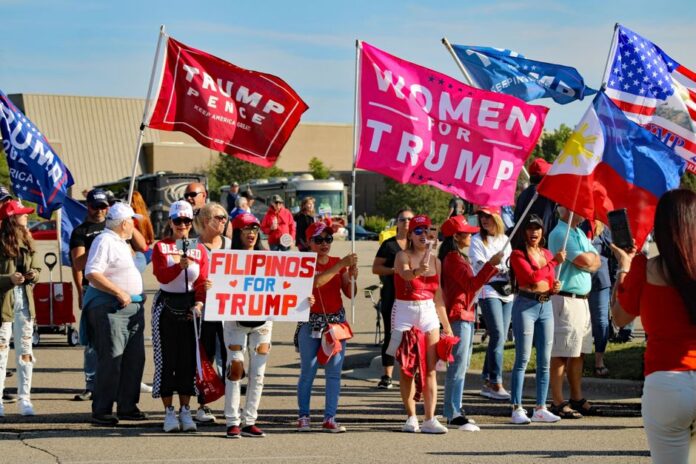
Photo: Michael Anthony / Pexels
By Political Watch Newsroom, Politics Desk — Published October 23, 2026
Table of Contents
- Key Takeaways
- The Background & Context
- Why This Matters
- Reactions & Analysis
- What Happens Next
- Frequently Asked Questions
Former President Donald Trump returned to Iowa this week to throw his weight behind Republican Senate candidate Ashley Hinson, delivering a campaign rally that underscored his continued grip on the party’s midterm strategy. The event comes at a critical juncture as Republicans work to reclaim control of Congress and as Trump positions himself as the central figure in GOP electoral efforts nationwide.
In a message that blurred the lines between past and future campaigns, Trump urged Iowa Republicans to “pretend I’m on the ballot” during the upcoming midterm elections, according to reports from the rally. The appearance highlights the former president’s determination to remain the dominant force in Republican politics while simultaneously boosting candidates aligned with his agenda.
The rally for Hinson, who is seeking to transition from the House to the Senate, demonstrates how Trump continues to shape the political landscape in key battleground states. Iowa, once considered a swing state, has trended increasingly Republican in recent cycles, making it fertile ground for the GOP’s Senate ambitions and a showcase for Trump’s enduring influence over the party base.
Key Takeaways
- Trump held a campaign rally in Iowa to support GOP Senate candidate Ashley Hinson, reinforcing his active role in the midterm election cycle.
- The former president told Iowa Republicans to “pretend I’m on the ballot,” explicitly tying his political brand to down-ballot races.
- Hinson is seeking to move from her current House seat to the Senate, representing a significant step up in her political career.
- The event underscores Trump’s strategy of shoring up Republican candidates in races where his endorsement could prove decisive.
- Iowa has become increasingly important to Republican Senate strategy as the party works to secure a majority in the chamber.
- The rally demonstrates the continued symbiotic relationship between Trump and GOP candidates seeking to energize the party’s base voters.
The Background & Context
Ashley Hinson has served in the U.S. House of Representatives, representing Iowa’s congressional district with a conservative voting record that has aligned her closely with Trump-era Republican priorities. Her decision to pursue a Senate seat reflects both personal ambition and the party’s broader effort to field candidates with proven electoral track records in competitive or potentially competitive states.
Iowa’s political evolution tells a compelling story. Once a quintessential swing state that Barack Obama won twice, it has shifted decidedly rightward in recent election cycles. Trump won Iowa by substantial margins in both 2016 and 2020, demonstrating the state’s transformation into reliable Republican territory. This shift makes Iowa an attractive target for GOP Senate strategists looking to expand their majority or reclaim control of the chamber, depending on the current balance of power.
Trump’s involvement in midterm races represents a continuation of his post-presidency political activity. Since leaving office, he has maintained an unprecedented level of engagement in Republican primaries and general elections, often making endorsements the litmus test for party loyalty. His rallies draw thousands of supporters and generate significant media attention, providing valuable exposure for the candidates he champions.
The former president’s “pretend I’m on the ballot” messaging reflects a calculated strategy. By personalizing down-ballot races, Trump aims to mobilize his loyal base—voters who might otherwise sit out midterm elections—to turn out for candidates bearing his endorsement. This approach has shown mixed results in previous cycles, delivering victories for some Trump-backed candidates while contributing to unexpected losses in races where his involvement may have alienated moderate voters.
Why This Matters
The stakes extend far beyond a single Senate race. Control of the Senate determines which party sets the legislative agenda, confirms judicial appointments, and exercises oversight authority over the executive branch. Every seat matters in what is often an evenly divided chamber where a single race can tip the balance of power.
For Iowa voters, the Senate race will shape representation on critical issues ranging from agriculture policy—vital to the state’s farming communities—to healthcare, taxation, and national security. The candidate who wins will serve a six-year term, wielding influence over legislation that affects everything from farm subsidies to infrastructure investment in rural communities.
Trump’s active campaigning also raises broader questions about the Republican Party’s direction. His continued dominance suggests the party remains firmly in his image, prioritizing candidates and positions that align with his political brand. This has implications for policy priorities, electoral strategy, and the types of candidates who can successfully navigate Republican primaries.
For American voters nationwide, Iowa serves as a bellwether. How Trump’s endorsement plays in this increasingly Republican state may preview his influence in other races across the country. If his backing proves decisive, expect more candidates to seek his approval. If voters show signs of Trump fatigue or if his involvement becomes a liability, it could signal a shift in Republican electoral dynamics.
The rally also matters because it demonstrates Trump’s ongoing ability to command media attention and drive political narratives. Whether he ultimately runs for president again in 2024 or simply remains a kingmaker within the party, his involvement in races like Hinson’s keeps him at the center of American political discourse.
Reactions & Analysis
The rally format itself speaks volumes about Trump’s political methodology. These events function as both campaign stops for endorsed candidates and as platforms for Trump to maintain his connection with supporters, test messages, and preserve his status as the Republican Party’s most influential voice. The energy and turnout at such rallies provide tangible evidence of his continued appeal to a significant segment of the electorate.
For Hinson, securing Trump’s public support and the accompanying rally represents a significant boost. It provides name recognition, energizes volunteers, and can drive fundraising—all critical components of a successful Senate campaign. The association with Trump also signals to Republican primary voters, if she faces a contested primary, that she represents the party’s current ideological mainstream.
Political analysts watching the Iowa race will scrutinize several factors: turnout levels at the rally, media coverage generated, polling movement in the days and weeks following Trump’s appearance, and whether Democratic opponents can effectively use Trump’s involvement to mobilize their own base or appeal to moderate swing voters who may have reservations about the former president.
The “pretend I’m on the ballot” framing represents a double-edged sword. While it may energize Trump’s core supporters, it could also motivate opposition voters who see the midterms as a referendum on Trump himself. Democrats have often performed better when Trump is prominent in the political conversation, using him as a foil to drive their own turnout.
What Happens Next
The coming months will reveal whether Trump’s Iowa intervention translates into electoral success for Hinson. Campaign dynamics will evolve as both parties invest resources, candidates debate, and voters begin paying closer attention as election day approaches. Polling will provide early indicators of whether the rally produced a measurable bounce in support.
Expect Democrats to respond with their own high-profile surrogates and messaging designed to counter Trump’s influence. They may emphasize local issues, attempt to portray Hinson as beholden to Trump rather than Iowa voters, or focus on policy contrasts that resonate with the state’s electorate.
Trump’s schedule will also bear watching. If he returns to Iowa multiple times or deploys similar strategies in other competitive Senate races, it will confirm that he views his personal involvement as essential to Republican success. Conversely, if he limits his appearances or shifts focus, it might suggest evolving calculations about where his influence proves most effective.
The broader implications for Congress depend on outcomes across multiple states. Iowa represents just one piece of a complex electoral map where Republicans and Democrats are both playing offense and defense in different races. The cumulative results will determine not only Senate control but also the political landscape heading into the 2024 presidential cycle.
Frequently Asked Questions
Who is Ashley Hinson and what office is she seeking?
Ashley Hinson currently serves in the U.S. House of Representatives and is running for a Senate seat in Iowa. Her campaign represents an effort to move from the House to the Senate, a significant step up in political stature and influence. As a Senate candidate, she would represent the entire state of Iowa rather than a single congressional district, serving a six-year term if elected.
Why is Trump campaigning for midterm candidates?
Trump remains actively involved in Republican politics, using his endorsements and rally appearances to support candidates aligned with his political agenda. By telling voters to “pretend I’m on the ballot,” he aims to mobilize his base to turn out for down-ballot races. This strategy serves multiple purposes: it maintains his political relevance, strengthens his influence over the Republican Party, and potentially positions him for another presidential run.
How important is Iowa to Republican Senate strategy?
Iowa has become increasingly important as the state has trended more Republican in recent election cycles. Control of the Senate often comes down to a handful of competitive races, making every seat critical. Iowa’s shift from swing state to more reliably Republican territory makes it an attractive opportunity for the GOP to either defend a seat or pick up a new one, depending on the current holder, as they work to secure a Senate majority.
Does Trump’s endorsement guarantee electoral success?
Trump’s endorsement has produced mixed results in past elections. While his support can energize Republican base voters and provide significant campaign momentum, it can also mobilize opposition and potentially alienate moderate voters in closely contested races. The effectiveness of his endorsement often depends on the specific political environment, the quality of the candidate, and the composition of the electorate in each race. Iowa’s increasingly Republican lean may make it more favorable terrain for Trump-backed candidates than more competitive swing states.
As the midterm election cycle intensifies, Trump’s Iowa rally for Ashley Hinson offers a window into the Republican Party’s campaign strategy and the former president’s enduring role in shaping its direction. Whether this approach delivers the Senate seat Republicans seek will help answer larger questions about Trump’s influence and the political currents flowing through American democracy. Iowa voters will ultimately render their verdict, with consequences that extend far beyond the state’s borders.



