
Neighborhood Watch Programs: How They Work and Organize
By Newsroom, General News Desk — Published August 3, 2026
Table of Contents
- The Core Principles Behind Neighborhood Watch Programs
- Getting a Program Started: The Organizational Steps
- How Programs Function Day to Day
- Common Challenges and How Programs Address Them
- Frequently Asked Questions
When porch pirates strike or car break-ins cluster on a single block, residents often turn to an old but effective solution: neighborhood watch programs. These volunteer-driven efforts bring neighbors together to keep an eye on each other’s property, share information about suspicious activity, and build the kind of street-level awareness that makes communities less appealing to criminals. Far from vigilante patrols, modern watch programs emphasize observation, communication, and partnership with local law enforcement—a model that’s proven adaptable to everything from suburban cul-de-sacs to urban apartment complexes.
Understanding how these programs organize and operate helps residents decide whether starting or joining one makes sense for their block. It’s a civic engagement activity rooted in the everyday life topics that matter most: safety, trust, and the simple act of knowing your neighbors.
The Core Principles Behind Neighborhood Watch Programs
At their heart, watch programs rest on a straightforward idea: criminals prefer anonymity. A neighborhood where residents recognize unfamiliar faces, notice unusual patterns, and communicate quickly becomes a harder target. The programs don’t ask participants to confront suspects or take enforcement action. That’s law enforcement’s job. Instead, members serve as extra eyes and ears, reporting concerns through proper channels.
Most programs operate under a framework developed decades ago and refined through community policing partnerships. Participants typically receive training from local police or sheriff’s departments on what constitutes suspicious behavior—loitering near homes during work hours, vehicles slowly cruising streets multiple times, individuals checking door handles or peering into windows. The training emphasizes the difference between genuine concern and profiling based on appearance or demographics, a distinction that’s become central to responsible watch organizing.
Communication forms the program’s backbone. Whether through phone trees, email lists, neighborhood social media groups, or dedicated apps, members share real-time information about incidents, lost pets, and general safety reminders. This flow of community news updates builds collective awareness without requiring constant in-person meetings.
What Watch Members Actually Do
Participation varies by interest and availability. Some members simply stay alert during their normal routines—walking the dog, working in the yard, arriving home from work. Others volunteer as block captains, coordinating communication and serving as liaisons with law enforcement. A few organize social events that double as safety discussions, turning public announcements about crime trends into conversations over coffee and cookies.
The most effective programs weave watch activities into the fabric of neighborhood happenings rather than treating them as separate, formal obligations. A successful watch might organize an annual block party where officers stop by to chat, or coordinate a walking group that naturally increases visibility on evening streets.
Getting a Program Started: The Organizational Steps
Launching a neighborhood watch doesn’t require elaborate bureaucracy, but it does need a core group of committed residents and a partnership with local law enforcement. The process typically begins when a handful of neighbors—often motivated by a recent incident—decide to gauge interest on their street or in their building.
Early organizers usually reach out to their local police department’s community services or crime prevention unit. Many departments have dedicated officers who help establish watch programs, provide training materials, and explain how the program fits into broader public safety strategies. This initial contact establishes the official relationship that distinguishes a legitimate watch from an informal group that might stray into problematic territory.
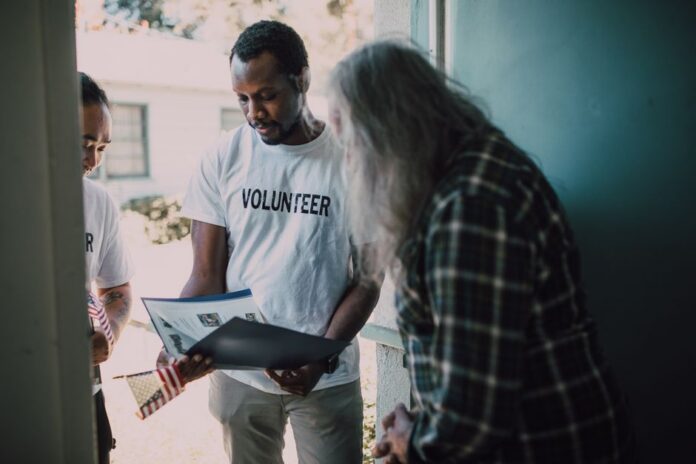
Recruitment follows. Organizers knock on doors, post flyers, or use existing community channels to invite neighbors to an introductory meeting. Turnout varies—some blocks draw thirty households, others just five—but successful programs start with whoever shows up rather than waiting for perfect participation. The first meeting typically covers:
- An overview of local crime trends and specific concerns in the area
- Explanation of what watch members will and won’t do
- Selection of block captains or coordinators for different streets
- Discussion of communication methods the group will use
- Training on recognizing and reporting suspicious activity
- Planning for ongoing meetings or check-ins
Many programs adopt a formal structure with a lead coordinator, block captains for different sections, and perhaps a secretary who maintains contact lists. Others operate more casually, with rotating leadership or shared responsibilities. The structure matters less than consistent communication and clear understanding of each person’s role.
How Programs Function Day to Day
Once established, a neighborhood watch settles into rhythms shaped by the community it serves. Daily operations might be nearly invisible—members simply stay aware and connected—or quite active, with frequent messages about regional developments and safety tips.
When someone spots concerning activity, they contact law enforcement directly rather than confronting the situation themselves. Then they alert other members through the established communication network. This two-track response ensures authorities handle potential crimes while neighbors take simple precautions like bringing in valuables or checking that doors are locked.
Regular meetings, whether monthly or quarterly, keep the program vital. These gatherings review recent incidents, welcome new members, and maintain the personal connections that make the system work. A watch that never meets risks becoming just another dormant email list. But programs that balance safety discussions with social elements—recognizing birthdays, celebrating neighborhood improvements, sharing local interest stories—tend to sustain participation over years.
Some watches expand their scope beyond crime prevention. Members might coordinate on environmental and seasonal updates like storm preparation, organize education and learning initiatives about emergency preparedness, or even support local business spotlights by sharing information about neighborhood shops. This broader engagement strengthens the community ties that make safety cooperation natural rather than forced.
Technology’s Changing Role
Digital tools have transformed how watches operate. Dedicated apps now offer real-time alerts, crime mapping, and direct lines to law enforcement. Group messaging platforms enable instant communication. Doorbell cameras and neighborhood surveillance networks create new opportunities for monitoring—and new questions about privacy and appropriate use of recorded footage.
These technologies make organizing easier but also require thoughtful policies. Effective programs establish guidelines about what gets shared, how to respect neighbors’ privacy, and when digital evidence should go directly to police rather than circulating among members. The goal remains the same—collective awareness and deterrence—but the methods have grown more sophisticated.
Common Challenges and How Programs Address Them
Sustaining participation over time challenges many watches. Initial enthusiasm after a crime wave often fades when things quiet down. Block captains burn out. New residents don’t get integrated. Successful programs combat this drift by keeping the social element strong, rotating leadership responsibilities, and actively recruiting newcomers.
Avoiding profiling and discrimination requires ongoing attention. Training emphasizes focusing on behavior, not appearance—someone photographing houses systematically might warrant attention regardless of demographics, while someone simply walking through the neighborhood does not. Programs that partner closely with diverse community groups and maintain transparent communication with law enforcement tend to navigate these issues more successfully.
Balancing vigilance with quality of life presents another tension. Nobody wants to live in a surveillance state where neighbors scrutinize every visitor. Effective watches maintain perspective, focusing on genuine safety concerns rather than policing trivial matters or lifestyle differences. The best programs enhance neighborhood trust rather than breeding suspicion.
Frequently Asked Questions
Do neighborhood watch programs actually reduce crime?
Research shows that well-organized programs can reduce certain property crimes, particularly burglary and vehicle theft. The effect comes less from catching criminals in the act and more from making neighborhoods less attractive targets through visible community engagement and rapid reporting of suspicious activity. Programs work best when sustained over time and integrated with broader community policing efforts rather than launched as one-time responses to crime spikes.
What’s the time commitment for participating in a neighborhood watch?
For most members, participation requires minimal time—simply staying aware during normal daily activities and reading occasional messages or alerts. Block captains or coordinators might spend a few hours monthly on communication, meeting planning, and liaison work with law enforcement. The commitment scales to what volunteers can offer, and successful programs accommodate varying levels of involvement rather than demanding intensive participation from everyone.
Can apartment buildings or condominiums organize neighborhood watches?
Absolutely. Multi-unit housing can adapt watch principles to their settings, often with advantages like centralized entry points and existing resident associations. Building-based programs might focus on monitoring common areas, coordinating with security staff, and ensuring residents recognize authorized visitors. The core principles of observation, communication, and partnership with law enforcement apply regardless of housing type.
How do neighborhood watches avoid becoming vigilante groups?
Legitimate programs establish clear boundaries from the start: members observe and report, never confront or pursue. Training emphasizes working within the legal system and respecting individual rights. Partnership with law enforcement provides accountability and proper channels for concerns. Programs that drift toward confrontational approaches typically lack official police partnership and training—red flags that distinguish watches from groups operating outside proper frameworks.
The strength of neighborhood watch programs lies not in dramatic interventions but in the quiet accumulation of awareness, connection, and shared responsibility. When residents know each other well enough to notice what’s out of place, and trust each other enough to communicate freely, they create the conditions where communities naturally protect themselves. That’s less about security systems or patrols than about reviving the old-fashioned practice of simply paying attention to the block where you live.