Photo: Mark Stebnicki / Pexels
By Political Watch Newsroom, National Desk — Published October 23, 2026
Table of Contents
- Key Takeaways
- The Background & Context
- Why This Matters
- Reactions & Analysis
- What Happens Next
- Frequently Asked Questions
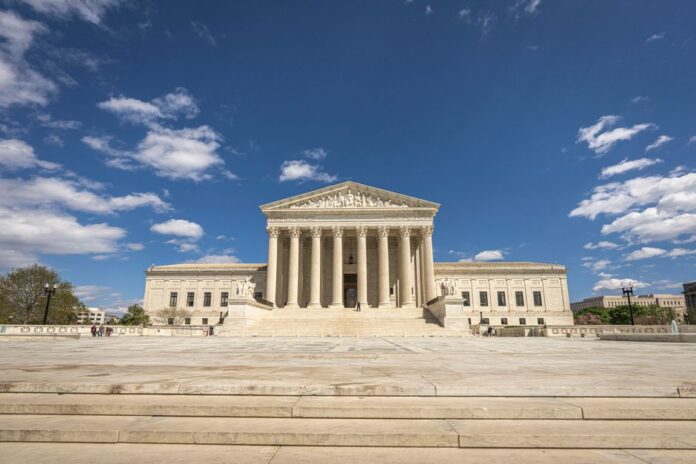
The Trump administration has escalated its border security agenda by petitioning the nation’s highest court to intervene in a stalled construction project. The request asks the Supreme Court to lift restrictions blocking border wall construction in the Big Bend region of Texas, a remote and ecologically sensitive stretch of the U.S.-Mexico border. This legal maneuver signals the administration’s determination to push forward with its signature immigration enforcement policy, even as it faces judicial roadblocks.
The Big Bend area, known for its rugged desert terrain and unique biodiversity, has become a flashpoint in the ongoing debate over border security versus environmental protection. The administration’s appeal to the Supreme Court represents a high-stakes gambit that could have far-reaching implications for federal land use, executive authority, and the balance of power between branches of government.
At stake is not merely a construction project but a broader question about presidential power to override environmental regulations and local opposition in pursuit of national security objectives. The Supreme Court’s decision will likely influence how future administrations approach infrastructure projects on federal lands and the extent to which courts can constrain executive action.
Key Takeaways
- The Trump administration has formally asked the Supreme Court to permit border wall construction to continue in the Big Bend region of Texas.
- The request seeks to overturn lower court decisions or injunctions that have halted the construction project in this ecologically significant area.
- Big Bend represents one of the most remote and environmentally protected stretches of the U.S.-Mexico border, making it a contentious location for wall construction.
- The Supreme Court petition reflects the administration’s broader strategy to accelerate border security infrastructure despite legal and environmental challenges.
- The case tests the limits of executive authority to pursue national security projects on federal lands when faced with judicial opposition.
- A Supreme Court ruling could establish precedent affecting future border security initiatives and federal construction projects nationwide.
The Background & Context
Border wall construction has been a defining policy priority since the start of the Trump administration. Throughout his first term and now in his current tenure, President Trump has consistently advocated for physical barriers along the southern border as essential to national security and immigration control. The Big Bend region presents unique challenges and controversies that distinguish it from other border areas.
Big Bend National Park and the surrounding region encompass some of the most pristine and biologically diverse desert ecosystems in North America. The Rio Grande winds through dramatic canyons, creating habitat for endangered species and supporting a fragile desert ecosystem. Environmental groups have long argued that wall construction in this area would cause irreparable harm to wildlife corridors, disrupt natural water flows, and damage archaeological sites of cultural significance.
The legal battles over Big Bend construction reflect a larger pattern of litigation that has followed border wall projects throughout both Trump administrations. Courts have repeatedly been asked to weigh presidential authority against environmental statutes, property rights, and congressional spending restrictions. Lower courts have issued various injunctions and stays, creating a patchwork of legal obstacles that the administration now seeks to overcome through Supreme Court intervention.
The administration has invoked national emergency declarations and executive authority to redirect military funding and other federal resources toward wall construction. Critics argue these maneuvers circumvent congressional appropriations power and violate environmental review requirements under laws like the National Environmental Policy Act. Supporters contend that border security is a core executive function that justifies streamlined approval processes.
Why This Matters
For American taxpayers, the Big Bend case carries significant financial implications. Border wall construction involves billions of dollars in federal spending, much of it redirected from military budgets and other programs. Citizens have a stake in understanding how their tax dollars are being allocated and whether proper legal procedures are being followed.
The environmental dimensions matter deeply to conservation efforts nationwide. Big Bend serves as a testing ground for how much environmental protection can be waived in the name of security. If the Supreme Court allows construction to proceed despite environmental concerns, it could weaken protections for other federal lands and create precedent for future projects to bypass normal review processes.
Border communities face direct impacts from wall construction. Ranchers, landowners, and local residents in the Big Bend region have expressed mixed views, with some supporting enhanced security and others opposing the disruption to their land and way of life. The outcome affects their daily reality more than distant policymakers.
Constitutional scholars are watching closely because the case touches fundamental questions about separation of powers. Can the president use emergency declarations to override congressional spending decisions? How much deference should courts give to executive claims of national security necessity? These questions extend far beyond immigration policy to affect the basic structure of American government.
Immigration advocates see the case as emblematic of broader enforcement philosophy. Physical barriers represent one approach to border management, but critics argue resources would be better spent on technology, personnel, and addressing root causes of migration. The Supreme Court’s decision may influence which approach dominates for years to come.
Reactions & Analysis
The administration’s move to involve the Supreme Court demonstrates confidence in the current composition of the court and a calculation that the justices will prove more receptive than lower courts have been. With a conservative majority, the administration likely believes it has a favorable audience for arguments about executive authority and national security prerogatives.
Environmental organizations have mobilized in opposition, viewing Big Bend as a line that cannot be crossed. They argue that allowing construction in such a sensitive area would set a dangerous precedent, essentially declaring that no place is too precious to be exempt from border infrastructure. These groups are preparing legal briefs and public campaigns to influence both the court and public opinion.
Congressional Democrats have criticized the administration’s approach as an end-run around legislative authority. They point out that Congress has repeatedly declined to appropriate the full funding requested for border wall construction, a decision they argue should be respected under constitutional principles of legislative power over spending. Some have called for legislation to explicitly protect Big Bend from construction.
Republican supporters in Congress have generally backed the administration’s efforts, framing border security as an urgent national priority that justifies extraordinary measures. They argue that judicial interference with executive security decisions undermines the president’s ability to protect the country and that the Supreme Court should defer to executive judgment on matters of border control.
Legal experts are divided on the likely outcome. Some believe the court’s conservative majority will side with broad executive authority, particularly on matters touching national security and immigration enforcement. Others suggest the justices may be reluctant to completely override environmental statutes and could seek a narrower ruling that allows some construction while preserving certain protections.
What Happens Next
The Supreme Court will decide whether to grant the administration’s request, which could come as an emergency stay or through the regular briefing and argument process. If the justices act quickly, construction could potentially resume within weeks. A slower timeline would mean months of continued legal uncertainty.
Should the court side with the administration, construction crews would mobilize to begin work in Big Bend, likely facing protests and continued legal challenges on other grounds. Environmental groups would shift strategy to damage mitigation and seeking protections for specific sites within the broader construction zone.
If the court denies the request or imposes conditions, the administration would need to decide whether to pursue alternative legal theories, seek legislative solutions, or redirect resources to other border sectors where construction faces fewer obstacles. This could reshape the entire border security strategy for the remainder of the term.
The decision will reverberate beyond this specific case. Other pending border wall litigation would be affected, as would future attempts by any administration to fast-track infrastructure projects by invoking emergency authority. The precedent could influence everything from future border security initiatives to other national security construction projects on federal lands.
Public attention will remain focused on Big Bend as a symbol of competing values: security versus environment, executive power versus judicial oversight, federal authority versus local concerns. The Supreme Court’s ruling will shape not just the physical landscape of the border but the legal landscape governing presidential power for years to come.
Frequently Asked Questions
Why is the Big Bend region specifically controversial for border wall construction?
Big Bend is one of the most ecologically sensitive and remote areas along the U.S.-Mexico border, encompassing pristine desert wilderness, endangered species habitat, and significant archaeological sites. Environmental groups and many local residents argue that wall construction would cause irreparable damage to this unique ecosystem, while the area’s remoteness also raises questions about the practical security benefits of building barriers in such rugged terrain.
What legal authority is the Trump administration using to justify border wall construction?
The administration has relied on national emergency declarations and executive authority to redirect federal funds, including military construction budgets, toward border wall projects. Officials argue that border security falls within core executive powers and that the president has authority to take necessary measures to protect national security, even if that means bypassing normal environmental review processes or using funds not specifically appropriated by Congress for wall construction.
How long could it take for the Supreme Court to rule on this request?
The timeline depends on whether the administration seeks emergency relief or accepts a regular briefing schedule. Emergency requests can be decided within days or weeks, though the court may request brief responses from opposing parties. A full briefing and argument process would take several months, potentially extending into the next Supreme Court term. The urgency the administration attaches to the request will influence how quickly the justices act.
What happens to border security in Big Bend if construction remains blocked?
Border security in the region would continue to rely on existing methods including Border Patrol personnel, surveillance technology, vehicle barriers in some areas, and the natural deterrent of extremely rugged terrain. Critics of the wall argue these methods are more effective and less environmentally damaging than physical barriers, while supporters contend that without a wall, the border remains inadequately secured and vulnerable to illegal crossings despite the challenging landscape.
As the Supreme Court weighs this consequential request, Americans are reminded that border security policy involves complex tradeoffs between competing legitimate concerns. The justices face a decision that will affect not only the Big Bend landscape but the broader relationship between executive ambition and legal constraint that defines American governance.