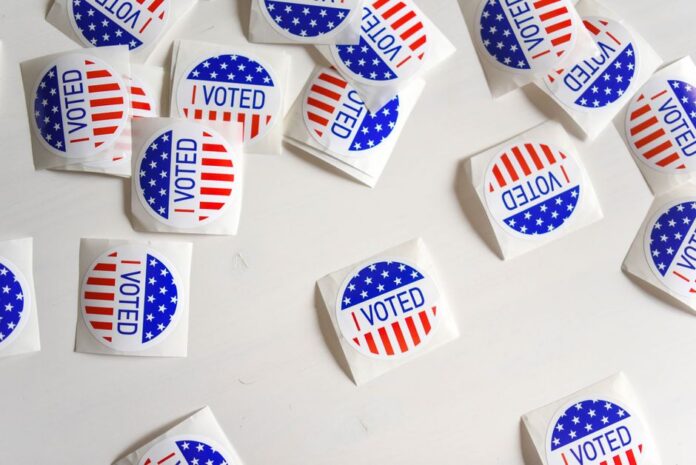
Photo: Element5 Digital / Pexels
By Political Watch Newsroom, National Desk — Published September 22, 2026
Table of Contents
- Key Takeaways
- The Background & Context
- Why This Matters
- Reactions & Analysis
- What Happens Next
- Frequently Asked Questions
The Supreme Court now has its eyes on a contentious executive order from former President Donald Trump targeting mail-in voting procedures. The order has sparked immediate legal challenges from multiple states as the nation barrels toward critical midterm elections. A federal judge recently lifted a major obstacle that had temporarily blocked the directive, setting up what could become a pivotal constitutional showdown over voting rights and executive authority.
The Trump mail voting controversy arrives at a moment when electoral integrity debates continue to dominate national news. States are filing fresh legal challenges even as judicial decisions shift the landscape almost daily. What began as an executive action has mushroomed into a federal government crisis touching the Supreme Court, state attorneys general, and millions of voters who rely on absentee ballots.
The timing couldn’t be more fraught. With midterm elections approaching, any changes to mail voting procedures could affect turnout and access across the country. Election officials warn that last-minute alterations create chaos. Voting rights advocates fear disenfranchisement. And legal experts predict the high court may need to intervene before ballots are cast.
Key Takeaways
- The Supreme Court is now monitoring Trump’s executive order on mail-in voting as it moves through the federal judiciary
- A federal judge recently removed a significant legal barrier that had been blocking implementation of the order
- Multiple states have filed new legal challenges specifically targeting the directive ahead of midterm elections
- The controversy centers on executive authority over election procedures traditionally managed by states
- Parallel developments in gerrymandering cases may signal growing judicial willingness to address election-related abuses
- The outcome could reshape voting access for millions of Americans who depend on mail ballots
The Background & Context
Mail-in voting has been a flashpoint in American politics for years. Once a bipartisan tool used primarily by military members and overseas citizens, absentee voting expanded dramatically during the COVID-19 pandemic. Millions of Americans cast ballots by mail in recent elections, fundamentally changing how the nation votes.
That shift triggered fierce debate. Supporters argue mail voting increases accessibility and participation, especially for disabled voters, rural residents, and those with inflexible work schedules. Critics raise concerns about security, verification, and the potential for fraud—though study after study has found mail ballot fraud to be vanishingly rare.
Trump has been particularly vocal about mail voting. He has repeatedly claimed, without substantial evidence, that absentee ballots facilitate widespread fraud. His executive order appears designed to restrict or regulate mail-in voting procedures at the federal level, though the exact provisions remain subject to legal interpretation and challenge.
The constitutional tension is real. Elections have traditionally been state affairs. The Constitution grants states broad authority to manage their own electoral processes, from registration to ballot design to counting procedures. Federal intervention in this space raises immediate questions about the separation of powers and the limits of executive authority.
The Supreme Court’s interest in the matter signals the potential magnitude of these questions. When the high court puts an issue “on its radar,” it often means justices are watching closely to see if their intervention will become necessary. That could happen through an emergency application, an expedited appeal, or eventually through the regular docket.
Why This Matters
For ordinary citizens, this dispute is about more than abstract constitutional theory. It’s about whether their vote will count and how easily they can cast it.
Roughly 43 percent of voters used mail ballots in the 2020 election. That number has remained substantial in subsequent contests. Any restrictions on mail voting would directly affect tens of millions of Americans. Elderly voters who struggle with mobility. Parents juggling childcare and work. People in remote areas far from polling places. Immunocompromised individuals wary of crowded indoor spaces.
The defense of mail voting has become a priority for disability rights organizations, rural advocacy groups, and voting access coalitions. They argue that restricting this option would create a two-tiered system where some citizens face significant barriers others don’t encounter.
There’s also the federalism question. If the national government can override state election procedures through executive order, what other aspects of voting might be vulnerable? Could future presidents dictate polling place hours, voter ID requirements, or registration deadlines? The precedent could extend far beyond mail ballots.
Election administrators face their own crisis. They need clear rules well in advance to order supplies, train workers, and educate voters. Legal uncertainty this close to an election creates operational nightmares. Ballots are already being printed. Absentee applications are being processed. Reversing course now would require Herculean effort and expense.
The economic costs matter too. Taxpayers fund elections. Legal battles drain state budgets. Emergency procedural changes require overtime, new equipment, and accelerated training programs. Every dollar spent litigating or scrambling to comply is a dollar not spent on schools, roads, or public safety.
Reactions & Analysis
The judicial landscape has shifted rapidly. When a federal judge lifted what reports describe as a “major obstacle” to the Trump order, it changed the immediate calculus for states and voting rights organizations. That decision apparently removed a preliminary injunction or similar restraint that had been preventing implementation.
States responded by filing new legal challenges. These fresh lawsuits suggest that even with one barrier removed, opponents believe they have strong constitutional and statutory arguments against the order. State attorneys general—the chief legal officers who defend state interests—are leading this charge, treating it as a matter of state sovereignty as much as voting rights.
The Supreme Court’s attention adds another layer. The justices don’t casually monitor lower court proceedings. When something gets “on their radar,” it typically means they’ve identified significant federal questions, circuit splits, or urgent matters requiring potential intervention. The Court has previously taken emergency action on election-related disputes, sometimes issuing orders just days before voting begins.
Interestingly, parallel developments in gerrymandering cases may be relevant. Reports indicate growing judicial appetite for addressing election-related abuses. For years, courts largely avoided gerrymandering disputes, treating them as “political questions” beyond judicial reach. Recent signals suggest that attitude may be shifting, with courts more willing to impose consequences when partisan map-drawing crosses constitutional lines.
If judges are indeed becoming less deferential to political actors in the election space, that could cut both ways in the mail voting dispute. Courts might be more willing to check executive overreach. Or they might be more willing to uphold restrictions if convinced they serve legitimate security interests. The trend doesn’t point in one clear direction.
What Happens Next
The legal timeline will likely accelerate. With midterms approaching, courts understand they’re working against the clock. Emergency motions, expedited briefing schedules, and rapid-fire decisions are all but certain.
The Supreme Court could intervene in several ways. States or voting rights groups might file emergency applications asking the justices to block the order while litigation proceeds. The Court could grant certiorari before judgment, bypassing normal appellate procedures to resolve the matter quickly. Or the justices might simply let lower courts handle it, stepping in only if a circuit split develops or constitutional questions remain unresolved.
Political ramifications loom large. Both parties are watching closely, knowing that mail voting rules could influence turnout patterns. Democrats have generally embraced mail ballots more enthusiastically in recent cycles, though Republican use has been substantial too. Any changes will trigger immediate strategic recalculations by campaigns and party organizations.
State legislatures may also react. If federal courts uphold the executive order, some states might pass laws specifically designed to preserve mail voting access within whatever parameters the courts allow. Other states might welcome the restrictions and decline to fight them. The result could be an even more fragmented national voting landscape, with dramatic differences from state to state.
Long-term, this dispute will shape how Americans think about election administration and federal power. The outcome will set precedents that future presidents—of either party—could invoke or challenge. It will influence how aggressively states defend their electoral prerogatives. And it will affect how courts approach the intersection of voting rights, executive authority, and federalism.
Frequently Asked Questions
What exactly does Trump’s mail voting executive order do?
While the precise details are subject to legal interpretation and have not been fully disclosed in available reports, the order appears to impose federal restrictions or regulations on mail-in voting procedures. States have challenged it as federal overreach into election administration, an area traditionally controlled by state governments. The order has triggered immediate legal battles over its scope and constitutionality.
Can the president actually change how states run elections?
That’s the core legal question now before the courts. The Constitution gives states primary authority over election procedures, but Congress has passed some federal voting laws, and presidents have issued election-related directives in limited circumstances. Whether an executive order can substantially alter mail voting procedures without congressional authorization is precisely what courts must now decide. The answer will likely depend on specific constitutional provisions, existing statutes, and how broadly courts interpret executive power.
How would this affect me as a voter?
If the executive order takes effect, it could restrict your ability to vote by mail, depending on where you live and how your state responds. Voters who rely on absentee ballots—including elderly citizens, people with disabilities, rural residents, and those with work or family obligations—could face new barriers. The impact would vary by state, as some might find ways to preserve mail voting access while others might not. Election officials recommend checking with your local election authority about current procedures.
Why is the Supreme Court involved if this is still in lower courts?
The Supreme Court hasn’t formally taken the case yet, but reports indicate it’s “on the Court’s radar,” meaning the justices are monitoring the situation closely. The Court often watches high-stakes disputes as they move through lower courts, preparing to intervene if necessary. Given the proximity of elections and the constitutional questions involved, the justices may need to issue emergency orders or expedited decisions to provide clarity before voting begins. This kind of close monitoring often precedes direct Supreme Court involvement.
As Americans head toward another consequential election, the rules governing how they vote remain unsettled. The courts will decide whether executive power extends to reshaping mail ballot procedures. States will defend their traditional authority. And voters will watch anxiously, hoping for clarity before they need to make decisions about how to cast their ballots. Whatever the outcome, this dispute will leave a lasting mark on American democracy.