
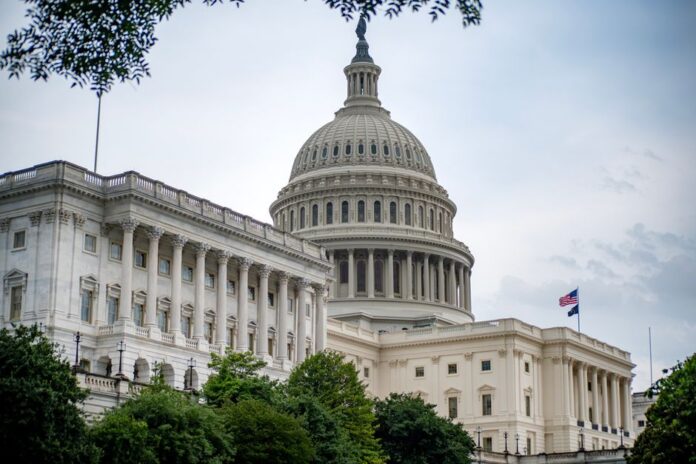
Photo: Ramaz Bluashvili / Pexels
By Political Watch Newsroom, National Desk — Published September 25, 2026
Table of Contents
- Key Takeaways
- The Background & Context
- Why This Matters
- Reactions & Analysis
- What Happens Next
- Frequently Asked Questions
The Trump administration is invoking national security concerns to justify its decision to restrict certain media organizations from White House briefings and events, according to court filings that have surfaced as the federal government defends its press access policies. The Department of Justice, representing the administration in ongoing litigation, argues that access to the White House is a “privilege” rather than a constitutional right—a position that has ignited fierce debate about press freedom, governmental transparency, and the boundaries of executive power.
Trump cites national security as a core rationale for the media restrictions, while also pointing to the administration’s desire to manage coverage during politically sensitive periods, including midterm election cycles. The legal battle unfolds against a backdrop of escalating tensions between the executive branch and major news organizations, raising fundamental questions about how the federal government balances security imperatives with the public’s right to information.
The controversy has already drawn scrutiny from constitutional scholars, press freedom advocates, and members of Congress who warn that expansive interpretations of executive privilege could erode the Fourth Estate’s watchdog role. Whether the Supreme Court will ultimately weigh in remains uncertain, but the case has become a flashpoint in the broader conversation about accountability in American democracy.
Key Takeaways
- The Trump administration is defending its media ban in federal court by citing national security concerns as justification for restricting press access to White House events and briefings.
- The Department of Justice argues that White House access for journalists constitutes a “privilege” that can be revoked at the administration’s discretion, rather than a protected constitutional right.
- Court filings indicate the administration also references midterm election coverage as a factor in its press access decisions, suggesting political timing plays a role in determining which outlets receive credentials.
- The legal dispute centers on whether the executive branch has broad authority to exclude specific media organizations from official government proceedings without violating First Amendment protections.
- Constitutional experts and press freedom organizations view the case as a critical test of governmental transparency and the ability of independent journalism to hold federal officials accountable.
- The outcome could set precedent affecting how future administrations manage media relations and determine which news organizations gain access to the seat of executive power.
The Background & Context
Tensions between presidential administrations and the press corps are nothing new in American political history. From Thomas Jefferson’s complaints about “lying newspapers” to Richard Nixon’s enemies list, occupants of the Oval Office have long wrestled with critical coverage. But the formalization of press access policies—and their legal enforcement—represents a relatively modern development in the relationship between government and journalism.
The White House Correspondents’ Association has traditionally worked with administrations to establish protocols for press briefings, travel pools, and credential systems. These arrangements, while sometimes contentious, generally operated on informal understandings rather than rigid legal frameworks. Reporters understood that access came with certain responsibilities and behavioral expectations, while administrations recognized that transparency served democratic accountability.
The current dispute breaks from that tradition by forcing courts to adjudicate what has historically been resolved through negotiation and custom. When the administration began restricting access for certain outlets, affected news organizations filed suit, arguing that selective exclusion based on coverage content violates the First Amendment’s guarantee of press freedom. The government’s response—that national security concerns and the privileged nature of White House access justify its decisions—transforms a political conflict into a constitutional showdown.
The invocation of national security as a defense mechanism carries particular weight in American jurisprudence. Courts have historically granted the executive branch considerable deference on matters touching national defense, intelligence operations, and threats to public safety. But critics argue that vague appeals to security can become a catch-all excuse for avoiding scrutiny, especially when applied to routine press briefings rather than classified military operations.
The reference to midterm coverage in court documents adds another dimension to the controversy. If the administration considered electoral implications when determining press access, it raises questions about whether credential decisions serve legitimate governmental interests or partisan political objectives. Using federal resources and official platforms to shape campaign narratives would blur the line between governing and campaigning in ways that ethics watchdogs find troubling.
Why This Matters
For ordinary Americans far removed from the marble corridors of Washington, this legal battle might seem like an inside-the-Beltway squabble between powerful institutions. Nothing could be further from the truth. The ability of independent journalists to question government officials, attend policy briefings, and report on executive decision-making directly affects the quality of information citizens receive about how their tax dollars are spent and how their country is governed.
When administrations can selectively exclude news organizations whose coverage they dislike, the incentive structure of journalism fundamentally changes. Reporters might soften their questions or avoid controversial topics to maintain access. News outlets could face pressure to moderate criticism to preserve their seat at the table. The result is a less informed public and weaker accountability for those wielding power.
The national security justification deserves particular scrutiny from taxpayers and voters. If genuine threats exist that require restricting certain reporters from specific briefings, the public has a right to understand the nature of those threats and the evidence supporting exclusion. Blanket assertions of security concerns without substantiation risk becoming a tool for avoiding uncomfortable questions rather than protecting legitimate secrets.
The designation of White House access as a “privilege” rather than a right also carries profound implications. If the executive branch can revoke credentials at will without judicial review, it possesses unchecked authority to shape the information environment surrounding its own activities. This concentration of control over political communication contradicts the Founders’ vision of a free press serving as a check on governmental overreach.
Beyond the immediate parties to the lawsuit, the precedent established here will influence how future administrations—of both parties—handle media relations. A ruling that grants broad discretion to exclude reporters could embolden subsequent presidents to further restrict access. Conversely, a decision limiting executive authority might force more transparent and inclusive press policies across administrations.
Reactions & Analysis
Legal scholars have begun dissecting the administration’s arguments with the intensity typically reserved for major constitutional cases. The claim that White House access constitutes a privilege finds some support in past rulings acknowledging that not every journalist can physically fit into the briefing room. But critics distinguish between reasonable space limitations and content-based discrimination against specific outlets.
Press freedom organizations have mobilized in response to the litigation, filing amicus briefs and public statements warning of the dangers posed by executive control over media access. These groups argue that allowing administrations to cite national security without evidence or judicial review creates a dangerous loophole that could swallow the First Amendment’s protections for investigative journalism.
Some legal observers note that courts have struggled to define the precise contours of press rights in government facilities. While reporters clearly cannot demand access to classified briefings or secure military installations, the White House press room occupies a different category—a public-facing space specifically designed for governmental communication with citizens through their journalistic representatives.
Political reactions have largely followed partisan lines, with the administration’s supporters emphasizing the president’s prerogative to manage his own communications operation and critics warning of authoritarian tendencies. But some voices from across the ideological spectrum have expressed concern that today’s precedent could be weaponized against their preferred outlets when political winds shift.
The reference to midterm coverage in the government’s defense has proven particularly controversial. If electoral considerations influenced credential decisions, it suggests that official government processes were subordinated to campaign strategy—a conflation of roles that government ethics experts find deeply problematic regardless of partisan affiliation.
What Happens Next
The litigation will likely proceed through the federal court system, with appeals possible regardless of the initial ruling. Given the constitutional questions at stake, legal analysts consider it plausible that the Supreme Court could eventually take up the case, though the justices might also decline to intervene if lower courts produce a narrow ruling on procedural grounds.
In the meantime, the affected news organizations continue covering the administration while fighting for restored access through legal channels. This dual-track approach—reporting on the government while suing it—illustrates the complex relationship between press and power in a system that both protects journalistic independence and concentrates authority in elected officials.
Future administrations will watch this case closely as they develop their own media strategies. A government victory could encourage more aggressive credential management and selective access policies. A ruling favoring press organizations might require more formal procedures, evidentiary standards, and judicial review before reporters can be excluded from official events.
Congress could also enter the fray by passing legislation clarifying press access rights and establishing standards for credential revocation. Such statutory intervention might provide more stable ground rules than case-by-case litigation, though getting any press freedom bill through a divided legislature presents its own challenges.
The broader public conversation about media credibility, partisan coverage, and the role of journalism in democracy will continue regardless of how courts rule. This case unfolds against a backdrop of declining trust in both government and media institutions—a crisis of confidence that makes resolution of these disputes more urgent and more difficult simultaneously.
Frequently Asked Questions
What specific national security concerns has the Trump administration cited?
The court filings indicate that the administration has invoked national security as a general justification for the media ban, though the publicly available information does not detail specific threats or incidents that prompted the restrictions. This lack of specificity has become a point of contention, with critics arguing that vague security claims cannot justify what they view as content-based discrimination against particular news outlets.
Can the president legally ban certain media organizations from the White House?
This question sits at the heart of the ongoing litigation. The administration argues that White House access is a privilege that can be granted or revoked at executive discretion, while opposing parties contend that selective exclusion based on coverage content violates First Amendment protections. Courts have not definitively resolved this issue, and the current case may establish important precedent about the limits of presidential authority over press access.
How does this case compare to previous disputes between presidents and the press?
While many administrations have had contentious relationships with reporters, formal legal battles over credential access are relatively rare. Past disputes were typically resolved through negotiation between the White House Correspondents’ Association and administration officials. The current case represents a more fundamental legal challenge to executive authority over media access, potentially setting precedent that will outlast any single presidency.
What role might the Supreme Court play in resolving this dispute?
The Supreme Court could eventually review the case if lower courts issue rulings that parties choose to appeal and if the justices decide the constitutional questions warrant their attention. However, the Court might also decline to hear the case, allowing lower court decisions to stand. Given the First Amendment implications and the potential impact on executive power, constitutional scholars consider Supreme Court involvement a realistic possibility, though not a certainty.
As this legal battle unfolds in courtrooms, its implications echo far beyond the marble halls of justice. The relationship between government power and press freedom remains one of democracy’s most delicate balances—one that requires constant vigilance from citizens who depend on independent journalism to understand how they are governed. Whatever the courts ultimately decide, the questions raised here about transparency, accountability, and the public’s right to information will persist long after the gavel falls.



