
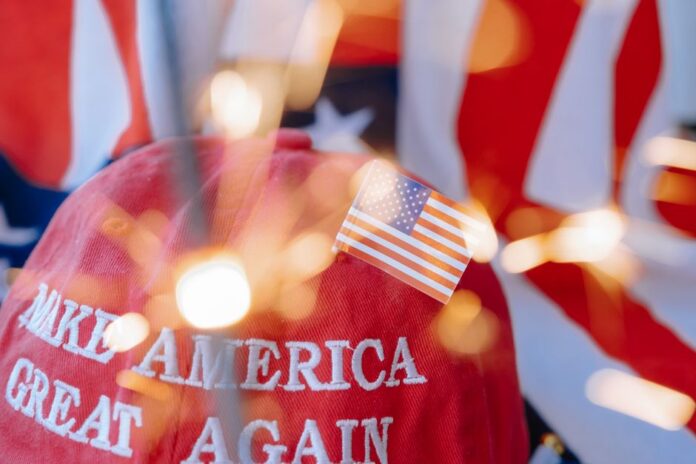
Photo: Polina Zimmerman / Pexels
By Political Watch Newsroom, Politics Desk — Published September 21, 2026
Table of Contents
- Key Takeaways
- The Background & Context
- Why This Matters
- Reactions & Analysis
- What Happens Next
- Frequently Asked Questions
Three major news organizations are preparing to take the Trump administration to court after being denied access to White House coverage, escalating a confrontation over press freedom that could have lasting implications for American democracy. CNN, Politico, and MS NOW have jointly announced their intention to sue after being blocked from covering events at the nation’s executive mansion, marking one of the most dramatic clashes between the press and a sitting president in modern U.S. history.
The lawsuit represents a direct challenge to executive power and the constitutional protections afforded to journalists. For decades, the White House has maintained an open, if sometimes contentious, relationship with the press corps. This ban disrupts that tradition and raises fundamental questions about transparency, accountability, and the public’s right to know what their government is doing.
The move comes at a time when trust in both media and government institutions remains fragile, and when questions about access to information have become increasingly politicized. The outcome of this legal battle could reshape how future administrations interact with reporters and, by extension, how American citizens receive information about their elected leaders.
Key Takeaways
- CNN, Politico, and MS NOW are filing a lawsuit against the Trump administration over being banned from White House coverage
- The ban represents an unprecedented restriction on press access to the executive branch in modern times
- The legal action raises constitutional questions about First Amendment protections and government transparency
- The case could set important precedents for how future administrations manage press relations and public accountability
- Multiple news organizations are coordinating their legal response, suggesting broad concern across the media industry
- The dispute highlights ongoing tensions between the Trump administration and mainstream news outlets
The Background & Context
The relationship between presidents and the press has always been complicated. Tension is built into the system by design. Journalists are supposed to ask hard questions. Administrations want to control their message. But there have been guardrails, norms that both sides generally respected.
Those norms have eroded significantly in recent years. Campaign rhetoric targeting “fake news” and “enemies of the people” has given way to concrete actions that restrict press access. The decision to ban specific outlets from White House coverage crosses a line that previous administrations, regardless of party, largely avoided.
Historically, the White House Correspondents’ Association has managed press credentials through a process that, while imperfect, provided a degree of independence from direct political interference. Individual reporters might be criticized or called out, but wholesale banning of entire news organizations has been exceedingly rare. Even during the Nixon administration, when tensions with the press reached fever pitch over Watergate coverage, major news organizations maintained their access to official events and briefings.
The current ban affects organizations with different editorial perspectives and audiences. CNN reaches millions through cable television. Politico has become essential reading for anyone following the granular details of legislation and campaign politics. MS NOW serves its own distinct readership. By targeting multiple outlets simultaneously, the administration has signaled that this is not about any single story or reporter, but rather a broader statement about which voices will be granted access to power.
Legal experts point to several precedents that may inform this case. Courts have previously ruled that once the government creates a forum for press access, it cannot arbitrarily exclude specific outlets based on the content of their coverage. The question becomes whether the White House, as the home and office of the president, constitutes such a public forum under constitutional law.
Why This Matters
Americans don’t elect a king. They elect a president who must answer to the people. But how can citizens hold their government accountable if they don’t know what it’s doing?
The press serves as a crucial intermediary in that relationship. When reporters are barred from covering the White House, it’s not just those organizations that lose out. It’s every citizen who depends on independent journalism to understand how their tax dollars are being spent, what policies are being developed, and whether their elected officials are acting in the public interest.
This case touches on fundamental democratic principles. The First Amendment protects both freedom of speech and freedom of the press precisely because the founders understood that an informed citizenry was essential to self-governance. If an administration can simply exclude news outlets it dislikes, that creates a dangerous precedent that could be exploited by future leaders of any political party.
The implications extend beyond Washington. State and local officials watch how the White House handles the press. If federal courts allow this kind of selective access, governors, mayors, and county commissioners might feel emboldened to impose their own media blacklists. The effect would cascade through every level of government, making it harder for journalists to do their jobs and for citizens to stay informed about civic affairs.
There’s also an international dimension. The United States has long positioned itself as a champion of press freedom globally, criticizing authoritarian regimes that jail journalists or shut down independent media. That moral authority becomes harder to maintain when the American president is banning news organizations from White House coverage. Foreign leaders who face criticism over their own press restrictions can now point to U.S. actions as justification.
Reactions & Analysis
The decision by CNN, Politico, and MS NOW to pursue legal action rather than simply protest or negotiate reflects the severity with which these organizations view the situation. Lawsuits are expensive, time-consuming, and uncertain. News outlets don’t file them lightly.
The coordination among multiple news organizations is particularly significant. In a competitive industry where scoops and exclusive access matter enormously, the willingness to band together suggests that editors and publishers see this as an existential threat that transcends normal business rivalries. When competitors become allies, the stakes are high.
Press freedom advocates have warned that this kind of selective access creates a chilling effect throughout journalism. If reporters know that aggressive questioning or unfavorable coverage could result in their organization being banned, some may pull punches. Others may self-censor. The result is a press corps that’s less willing to challenge power, which serves no one except those who wish to avoid scrutiny.
Constitutional scholars have noted that this case will likely turn on technical questions about what kind of forum the White House represents and what level of access the government is required to provide. But the broader principle is straightforward: can a president choose which journalists get to cover him based on whether he likes their coverage? Most legal experts believe the answer should be no, though predicting how courts will rule is always difficult.
Some administration defenders argue that the White House has the right to manage its own space and determine who enters. They point out that press access is a privilege, not a right, and that news organizations can still cover the administration from outside the building. Critics counter that once the government establishes a press credentialing system and opens the White House to some reporters, it cannot discriminate based on viewpoint without violating the First Amendment.
What Happens Next
The lawsuit will wind its way through federal courts, a process that could take months or even years. In the meantime, the banned organizations will likely seek a preliminary injunction to restore their access while the case proceeds. Whether a judge grants that request could provide an early signal of how the legal arguments are being received.
Regardless of the immediate outcome, this case will establish important precedents. If the courts side with the news organizations, it will reinforce constitutional protections for press access and make it harder for future administrations to engage in similar bans. If the administration prevails, it could open the door to more aggressive efforts to control which journalists are allowed to cover government activities.
The political ramifications extend into the next election cycle. Questions about press freedom, government transparency, and accountability will likely feature in campaign debates and congressional hearings. Legislators may consider whether statutory protections for press access are needed to supplement constitutional guarantees.
Other news organizations will be watching closely. If the lawsuit succeeds, it may embolden additional outlets to challenge restrictions on their access. If it fails, some may conclude that fighting the administration in court is futile and seek alternative strategies for obtaining information.
The case also raises practical questions about how White House coverage will function going forward. Will other news organizations share information with the banned outlets? Will there be workarounds that allow excluded reporters to obtain information indirectly? How will the public perceive coverage that comes from a restricted press corps?
Frequently Asked Questions
Why were these specific news organizations banned from White House coverage?
The specific reasons for the ban have not been fully detailed in public reporting, but the action targets three major news outlets—CNN, Politico, and MS NOW—that cover politics, elections, and government affairs extensively. The ban appears to be part of broader tensions between the Trump administration and media organizations, though the exact trigger for this particular action remains unclear from available information.
Can the president legally ban news organizations from the White House?
This is the central legal question the lawsuit will address. While the president has some authority to manage White House operations, constitutional protections for press freedom and legal precedents regarding government-created forums suggest there are limits to that power. Courts will need to balance executive authority against First Amendment rights, and the outcome is not certain.
How does this affect the average American citizen?
When news organizations are blocked from covering the White House, citizens lose access to information about what their government is doing. The press serves as a watchdog on behalf of the public, investigating policies, questioning officials, and reporting on decisions that affect everyone’s lives. Restricting press access makes it harder for Americans to stay informed about their elected leaders and hold them accountable.
What precedent does this set for future administrations?
The outcome of this case could significantly impact how future presidents interact with the media. If courts allow the ban to stand, it could encourage other administrations to selectively exclude news outlets they view as unfriendly. If courts strike down the ban, it would reinforce legal protections for press access and make such actions more difficult in the future, regardless of which party controls the White House.
The collision between executive power and press freedom playing out in federal court will help define the boundaries of democratic accountability for years to come. How judges resolve this dispute matters not just for the news organizations involved, but for every American who believes that sunlight remains the best disinfectant in a healthy democracy.



