House Floor Votes: A Guide to How Laws Pass Congress
By Newsroom, Congressional Affairs Desk — Published August 15, 2026
Table of Contents
- How House Floor Votes Fit Into the Legislative Journey
- Types of Votes and What They Mean
- Why Bills Fail and How Compromises Happen
- Congressional Oversight Beyond Lawmaking
- Frequently Asked Questions
When you see news about house floor votes determining the fate of major legislation, you’re watching the climax of a long legislative drama. That moment when lawmakers stand or sit, press buttons, or call out their positions represents just one step in a complex journey through America’s bicameral legislature. Understanding how bills become law requires looking beyond the drama of those final tallies to see the entire machinery of Capitol Hill legislation at work.
The process isn’t simple, and it wasn’t designed to be. The founders built friction into the system deliberately, creating multiple checkpoints where proposals can be refined, rejected, or reimagined. For citizens trying to influence policy or simply understand why change happens slowly in Washington, knowing how the legislative branch powers actually function matters more than following any single vote.
How House Floor Votes Fit Into the Legislative Journey
A bill’s path to a floor vote begins long before any representative casts a ballot. Someone with an idea for legislation—whether a lawmaker, constituent, or interest group—drafts language and finds a member of Congress willing to sponsor it. That sponsor introduces the bill, which receives a number and gets referred to the appropriate congressional committees based on its subject matter.
This committee stage kills most legislation. Chairs decide which bills merit hearings, and members debate, amend, and vote in these smaller settings. A bill that survives committee moves to the House Rules Committee, which determines the terms of floor debate: how long members can speak, whether amendments are allowed, and what type of vote will occur. These rules shape outcomes as much as the bill’s content.
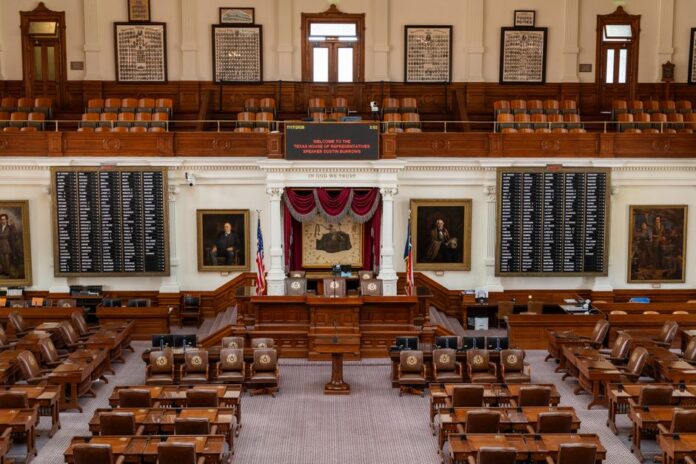
Only after clearing these hurdles does a measure reach the House floor. The chamber debates under the rules set by the Rules Committee. Members offer permitted amendments, argue for and against passage, and eventually vote. The House uses several voting methods: voice votes for non-controversial matters, division votes where members stand to be counted, and recorded votes where each member’s position becomes public record through an electronic system.
Passage in the House doesn’t create law. The Senate must approve identical language, and the two chambers often pass different versions. That triggers conference committees or informal negotiations to reconcile differences. Both chambers must approve the final compromise. Then it goes to the president, who can sign it into law or veto it—and Congress can override a veto with two-thirds majorities in both chambers.
The Role of Party Leadership
The Speaker of the House, majority and minority leaders, and whips control which bills reach the floor and when. The majority party sets the agenda, deciding what gets voted on and what languishes. Party leadership counts votes in advance, applying pressure to members whose support wavers. This vote-counting operation determines whether a bill comes to the floor at all. Bringing legislation up without the votes to pass it risks embarrassing defeats that weaken a party’s image.
Minority parties can slow the process through procedural motions, but they rarely stop legislation the majority wants. The House operates by majority rule more strictly than the Senate, where filibuster and procedural tactics give minorities more leverage. A unified House majority with determined leadership can move bills quickly. A fractured majority gives individual members or factions more power to block or reshape legislation.
Types of Votes and What They Mean
Not all House of Representatives votes carry equal weight or visibility. Understanding the distinctions helps citizens interpret what’s actually happening on any given day.
- Voice votes: Members shout “aye” or “no,” and the presiding officer judges which side prevails. Used for routine, non-controversial matters. No record exists of individual positions.
- Division votes: Members stand to be counted, but individual positions still aren’t recorded. An intermediate step when voice votes seem unclear.
- Recorded votes: Each member’s position enters the permanent record, typically through electronic voting. Required for final passage of bills and for any vote when enough members request it. These votes matter most for accountability.
- Roll call votes: A clerk calls each member’s name aloud. Rare in the modern House but still used occasionally for ceremonial significance.
The type of vote reveals how controversial a measure is. Routine matters get voice votes. Anything politically sensitive or substantively important gets a recorded vote, creating a paper trail that constituents, opponents, and interest groups will scrutinize.
Why Bills Fail and How Compromises Happen
Most introduced bills never become law. The statistics are stark: thousands of bills get introduced each congressional session, but only a small fraction pass both chambers and earn presidential signatures. This isn’t necessarily dysfunction. Many bills serve as position statements, messaging vehicles, or starting points for negotiation rather than serious legislative proposals.
Bills fail for multiple reasons. Some address problems most members don’t consider urgent. Others prove too expensive, constitutionally questionable, or politically toxic. Many die because their sponsors lack the seniority, relationships, or persuasive skills to build coalitions. Still others fall victim to partisan gridlock when parties prefer denying the opposition victories over achieving policy goals.
Successful legislation usually requires bipartisan negotiations and compromises, especially on major issues. Lawmakers from different parties and ideological positions meet formally in committee hearings and investigations or informally in offices and hallways. They trade provisions, soften language, add exceptions, and build support piece by piece. The final bill often looks dramatically different from what was introduced.
These compromises frustrate purists who want bold action, but they reflect the reality of congressional district representation. Members answer to different constituencies with competing priorities. A representative from a rural agricultural district faces different pressures than one from an urban center. Building majority coalitions means accommodating these differences.
The Senate’s Different Rules
Even after House passage, legislation faces different obstacles across the Capitol. The Senate’s smaller size, longer terms, and distinct rules create a different legislative culture. Senate confirmation hearings for presidential nominees, filibuster rules that let minorities block votes, and traditions of extended debate give individual senators more power than House members possess.
The Senate can amend House bills significantly, requiring renewed negotiations. Some legislation dies because the chambers can’t agree on a compromise both will accept. Other times, Senate rules make passage impossible despite House approval and public support. Understanding Congress means recognizing that the two chambers function as separate institutions that must cooperate to produce law.
Congressional Oversight Beyond Lawmaking
Floor votes on legislation capture headlines, but they represent only part of Congress’s constitutional role. Congressional oversight and accountability functions—investigating executive branch actions, holding hearings, issuing subpoenas, and conducting inquiries—don’t require passing laws but shape policy significantly.
Committees summon administration officials to testify, review agency spending, and examine whether laws are being implemented as Congress intended. These oversight activities can expose problems, change behavior, and influence public debate even without legislative action. The threat of investigation or bad publicity during a hearing can be as powerful as a new statute.
The appropriations process also gives Congress leverage. Even when lawmakers can’t agree on new policies, they must pass spending bills to keep government operating. Congressional budget and appropriations fights become vehicles for policy debates, with members using funding decisions to encourage or restrict executive branch activities.
Frequently Asked Questions
How long does it take for a bill to reach a House floor vote?
The timeline varies enormously. Emergency legislation can move in days or even hours when leadership prioritizes it and opposition is minimal. Most bills that eventually pass take months, moving through committee deliberations, negotiations, and waiting for floor time. Many bills introduced early in a congressional session don’t reach votes until much later, if ever. Complex legislation on controversial topics can take years of refinement and coalition-building before reaching a floor vote, and some never get there despite repeated introductions across multiple sessions.
Can citizens influence how their representatives vote?
Constituent contact does influence members, though its impact varies. Lawmakers pay attention to communications from their districts, especially on issues where they haven’t firmly committed to a position. Personal letters, phone calls, and town hall participation tend to carry more weight than form emails or social media posts. Organized campaigns demonstrating broad constituent concern can shift votes, particularly on issues that aren’t strict party-line matters. Members facing competitive reelection races are often most responsive to constituent pressure, while those in safe districts or with strong ideological commitments may be less swayed.
What happens if the House and Senate pass different versions of the same bill?
The Constitution requires both chambers to approve identical legislative text before it can become law. When versions differ, the chambers can negotiate informally, with one chamber voting to accept the other’s changes. For major legislation, they often form a conference committee with members from both chambers who negotiate a compromise. This conference report goes back to both floors for up-or-down votes without amendments. If either chamber rejects the compromise, the bill fails unless further negotiations produce an acceptable alternative. This reconciliation requirement gives both chambers effective veto power over legislation.
Why do some votes happen late at night or on weekends?
Timing reflects both practical and strategic considerations. Complex negotiations often continue until the last possible moment before deadlines like government funding lapses. Leadership schedules votes when they have the numbers, which sometimes means waiting for members to return to Washington or for holdouts to commit. Late votes can also reduce public attention and pressure on controversial measures. The legislative calendar compresses business into certain weeks, leaving other periods for constituent work in districts, which creates bursts of floor activity. Some deadline-driven votes occur at unusual hours simply because that’s when the work gets finished.
The machinery of House floor votes and the broader legislative process can seem designed to frustrate quick action, and in many ways it is. But this deliberate, multi-stage system also creates opportunities for citizens to engage, for diverse interests to be heard, and for hasty mistakes to be caught before becoming permanent law. Understanding how it works is the first step toward effectively participating in American democracy.