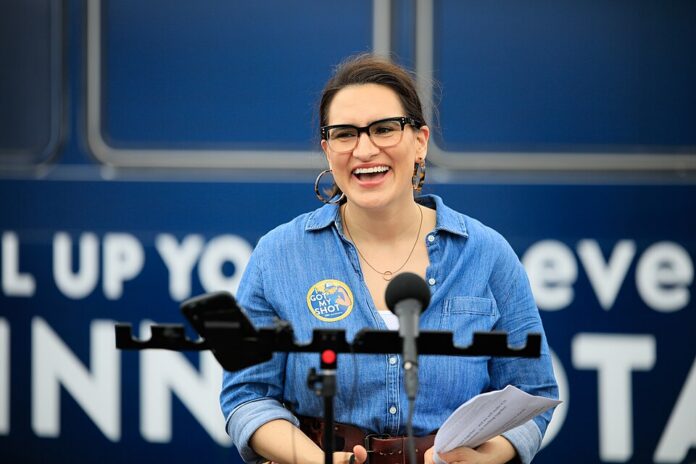
Minnesota’s Democratic Senate primary delivered another blow to party establishment as progressive candidate Peggy Flanagan defeated moderate Rep. Angie Craig, marking the latest victory for the party’s far-left wing and setting up a competitive general election battle that Republicans believe could flip the traditionally blue state.
Progressive Insurgency Continues
Flanagan’s decisive primary victory represents another setback for Senate Minority Leader Chuck Schumer, who backed Craig as the safer, more electable candidate. The result mirrors recent progressive wins across the country, including Dr. Abdul El-Sayed’s narrow victory over Rep. Haley Stevens in Michigan last week. Both establishment-backed incumbents fell to challengers running on platforms advocating Medicare for all, ending military aid to Israel, and abolishing Immigration and Customs Enforcement. During campaign rallies, Flanagan pledged to dismantle ICE following two deadly immigration enforcement-related incidents in Minnesota involving Renee Nicole Good and Alex Pretti.
The primary battle drew significant financial resources, with Craig raising nearly $13 million compared to Flanagan’s $7 million, according to Federal Election Commission filings. Senator Bernie Sanders defended Flanagan on national television, telling Face the Nation that her candidacy represents standing up to big money interests. Sanders suggested wealthy donors are flooding Minnesota and Michigan with cash to stop progressive candidates from winning.
Republican Opportunity Emerges
National Republicans view Flanagan’s nomination as a prime pickup opportunity in November. The National Republican Senatorial Committee expressed confidence that former NFL sideline reporter Michele Tafoya can turn Minnesota red for the first time in decades. Senator Tim Scott, chairman of the NRSC, told CNN that Minnesota excites him most among competitive races this cycle. Scott noted that Tafoya polls within one point of Flanagan, suggesting a genuine opportunity if voters understand the contrast between candidates. GOP operatives believe Flanagan’s progressive positions and fundraising disadvantage compared to Craig could force Democrats to redirect resources from other battleground states.
Walz Scandal Lingers
Flanagan served as lieutenant governor under Tim Walz, whose administration became embroiled in a major fraud scandal that ended his gubernatorial reelection prospects. Republicans plan to tie Flanagan to the controversy, though it has not significantly damaged her primary campaign. Walz has notably avoided endorsing either candidate in the Senate race. The National Republican Senatorial Committee spokesperson Bernadette Breslin stated that morale among establishment Democrats has reached historic lows as progressive candidates fill leadership vacuums. Minnesota and Michigan being competitive Senate races was not part of Schumer’s expected electoral map this cycle, creating potential strategic headaches for Democrats defending multiple unexpected fronts simultaneously.