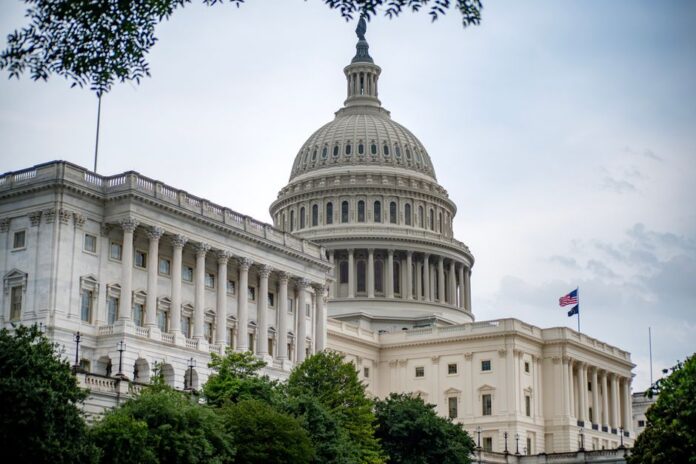
Senate Confirmation Hearings: What Citizens Should Know
By Newsroom, Congressional Affairs Desk — Published August 16, 2026
Table of Contents
- How Senate Confirmation Hearings Actually Work
- What These Hearings Are Supposed to Accomplish
- When Process Becomes Performance
- How Confirmation Battles Reshape Governance
- Why Citizens Should Pay Attention
- Frequently Asked Questions
When a president nominates someone to serve as a cabinet secretary, federal judge, or ambassador, that individual must first survive a public vetting process on Capitol Hill. Senate confirmation hearings represent one of the most visible exercises of legislative branch powers, a constitutional check that transforms personnel decisions into public spectacles broadcast across cable news and streamed online. These hearings matter because they determine who will wield executive authority, interpret federal law, and represent American interests abroad.
The confirmation process sits at the intersection of presidential prerogative and congressional oversight, creating friction by design. Understanding how these hearings work helps citizens evaluate whether the system serves its intended purpose or has become theater.
How Senate Confirmation Hearings Actually Work
The Constitution grants the president power to nominate senior officials but requires the advice and consent of the Senate. This means nominees cannot assume their posts until senators vote to confirm them. The process begins when the White House formally submits a nomination to the Senate, triggering a series of steps that can take weeks or months.
Congressional committees handle the initial scrutiny. A nominee for attorney general goes before the Judiciary Committee. A defense secretary nominee appears before Armed Services. Committee members receive background materials, financial disclosures, and FBI reports. Staff lawyers prepare questions. The hearing itself is the public face of this private preparation.
During the hearing, senators take turns questioning the nominee under oath. The committee chair and ranking minority member typically go first, followed by other members in order of seniority. Each senator receives a set amount of time, though chairs sometimes allow extended questioning. Nominees answer questions about their qualifications, policy views, and potential conflicts of interest. They may decline to answer certain questions, citing executive privilege or ongoing legal matters, which often generates its own controversy.
After the hearing concludes, the committee votes on whether to recommend confirmation to the full Senate. A negative committee vote does not kill a nomination outright, but it creates a procedural hurdle. The full Senate then debates and votes. In recent years, most executive branch nominees require only a simple majority for confirmation, though this was not always the case. Judicial nominees also require a simple majority after procedural rule changes, though the threshold was previously higher.
What These Hearings Are Supposed to Accomplish
The framers of the Constitution envisioned confirmation hearings as a safeguard against incompetence and corruption. Lawmakers and representatives serve as a filter, ensuring nominees possess the qualifications, temperament, and ethical standing their positions demand. The public nature of modern hearings adds transparency, allowing citizens to observe who will hold power and why.
Hearings also clarify policy positions. When a nominee for a regulatory agency testifies, senators probe their views on enforcement priorities and industry oversight. These exchanges create a record that can hold officials accountable later. If a confirmed official reverses course on commitments made under oath, that contradiction becomes political ammunition.
The process offers a forum for minority-party senators to challenge the administration’s direction. In a bicameral legislature where the House of Representatives votes along different lines and represents smaller geographic areas through congressional district representation, the Senate provides statewide perspectives and longer terms that theoretically encourage more deliberative judgment.
The Practical Functions
- Vetting qualifications and identifying potential conflicts of interest or ethical lapses
- Establishing a public record of a nominee’s policy commitments and legal interpretations
- Allowing opposition senators to register concerns and extract concessions
- Educating the public about what a particular office does and the challenges it faces
- Demonstrating institutional independence from the executive branch
When Process Becomes Performance
Critics across the political spectrum argue that confirmation hearings have devolved into partisan theater. Senators grandstand for cameras rather than conduct serious inquiry. Nominees deliver rehearsed non-answers designed to avoid controversy. The most viral moments often involve personal attacks or gotcha questions rather than substantive policy discussion.
This transformation reflects broader changes in how congressional sessions function. The rise of cable news and social media rewards confrontation over deliberation. Senators use their question time to deliver speeches for hometown consumption rather than elicit information. Nominees arrive over-prepared by White House lawyers who coach them to say as little as possible.
The breakdown of bipartisan negotiations and compromises has accelerated these trends. When senators view every nomination as a proxy war over the administration’s legitimacy, hearings become battlegrounds rather than evaluations. The use of filibuster and procedural tactics to delay or block nominees further politicizes the process, though recent rule changes have limited these tools.
Some hearings still produce genuine scrutiny. Nominees with thin résumés or troubling backgrounds face tough questioning that reveals disqualifying information. But many hearings follow a predictable script where the outcome is never in doubt and the questions rarely surprise.
How Confirmation Battles Reshape Governance
The difficulty of getting nominees confirmed has real consequences for how government functions. Extended vacancies leave agencies without permanent leadership during crises. Acting officials may hesitate to make bold decisions, knowing they lack full authority. The threat of a brutal confirmation fight can deter qualified candidates from accepting nominations, shrinking the talent pool.
Presidents sometimes respond by relying more heavily on acting officials who never face Senate scrutiny, or by empowering White House staff who don’t require confirmation. These workarounds undermine the very accountability the confirmation process is meant to ensure. When key positions go unfilled for months, congressional oversight and accountability suffer because there’s no confirmed official to haul before congressional committees.
The confirmation wars also affect Capitol Hill legislation indirectly. Time spent on contentious hearings is time not spent on other legislative business. Senators who might collaborate on policy proposals become adversaries during confirmation battles, souring relationships that bipartisan work requires.
Why Citizens Should Pay Attention
For all their flaws, confirmation hearings remain one of the few moments when unelected officials must publicly explain themselves before assuming power. The person confirmed to run an agency will make decisions affecting millions of people. The judge confirmed to a lifetime appointment will interpret laws for decades. These choices matter more than most legislation that passes in a single congressional session.
Informed citizens can distinguish between substantive concerns and partisan noise. Does a senator’s question address the nominee’s competence and judgment, or is it designed purely to generate a video clip? Does the nominee’s answer demonstrate knowledge and thoughtfulness, or reveal troubling gaps? These distinctions get lost in partisan commentary but remain crucial.
Confirmation hearings also reveal how seriously senators take their constitutional duties. Rubber-stamping every nominee from a president of their own party, or reflexively opposing every nominee from the other party, suggests senators have abandoned independent judgment. Citizens can hold their senators accountable for these patterns.
Frequently Asked Questions
Can the Senate reject a presidential nominee?
Yes. The Senate can vote down a nominee either in committee or on the floor. Presidents sometimes withdraw nominations that lack sufficient support rather than face a public defeat. However, most nominees who make it to a floor vote are eventually confirmed, especially when the president’s party controls the Senate.
How long does the confirmation process typically take?
The timeline varies widely depending on the position and political environment. Some nominees are confirmed within weeks, while others wait months. Controversial nominations or those facing significant opposition can drag on much longer. Senators may use procedural rules to slow the process, and the committee schedule affects timing. There is no fixed deadline, though vacancies in critical positions create pressure to move quickly.
What happens if the Senate never votes on a nomination?
The nomination expires at the end of the congressional session unless the Senate acts. The president must then decide whether to renominate the same person in the next session or select someone else. In the meantime, the position remains vacant or is filled by an acting official who serves temporarily without Senate confirmation.
Do all presidential appointees require Senate confirmation?
No. Only certain senior positions require confirmation, including cabinet secretaries, federal judges, ambassadors, and heads of major agencies. The president appoints thousands of other officials without Senate involvement. Congress determines which positions require confirmation through legislation. This distinction matters because unconfirmed appointees wield significant power without the same level of public vetting.
Senate confirmation hearings will never be perfect. They reflect the same partisan tensions and institutional weaknesses visible throughout American government. But they remain a vital checkpoint in a system designed to prevent any single branch from accumulating unchecked power. When citizens understand how the process works and what it reveals, they gain leverage to demand better from both nominees and the senators who question them.